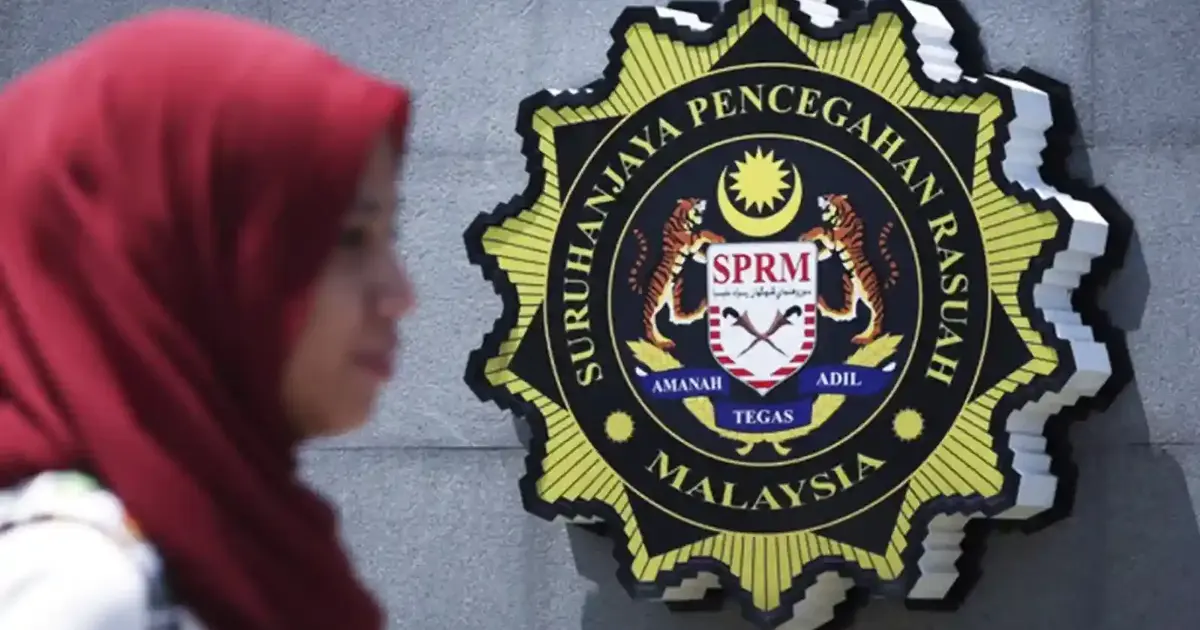
Malaysia's anti-corruption authorities are moving decisively against a sprawling network of individuals accused of submitting false claims to the Social Security Organisation, with prosecutors preparing charges against more than 100 suspects nationwide. The Malaysian Anti-Corruption Commission disclosed that 29 of these individuals have already been formally charged across multiple states, marking a significant escalation in enforcement against what appears to be systematic social security fraud.
Perkeso, the country's primary agency responsible for administering mandatory social security coverage for private sector employees, has become the focal point of an intensive investigation that underscores vulnerabilities in benefit verification systems. The sheer scale of alleged wrongdoing—involving triple-digit suspect numbers—suggests a co-ordinated scheme rather than isolated incidents of individual malfeasance. This distinction carries substantial implications for how Malaysia safeguards public welfare funds and protects the integrity of schemes designed to benefit workers across the nation.
The investigation represents a critical juncture for Malaysia's institutional capacity to combat financial crimes that extend beyond traditional corruption. While the MACC has traditionally focused on public sector graft, the Perkeso matter demonstrates how enforcement agencies are increasingly pursuing fraud that erodes the financial sustainability of critical social programmes. Such breaches can have cascading effects, potentially raising contribution rates for legitimate workers and reducing resources available for genuine claimants who depend on benefits during periods of incapacity or unemployment.
The geographical spread of charges across several states indicates that the alleged fraud was not confined to a single region or administrative pocket. This distribution raises uncomfortable questions about whether lapses in system oversight are systemic rather than localised, and whether gaps in verification protocols exist at multiple nodal points within the Perkeso infrastructure. Investigators will need to determine whether those charged acted independently or as part of larger organised networks with specific coordinators orchestrating false submissions.
For Malaysian workers and employers who contribute to the social security system, the revelations serve as a sobering reminder of how criminal exploitation of public benefit schemes can undermine the financial foundations upon which workers' protections rest. Every fraudulent claim represents resources diverted from legitimate purposes, effectively reducing the pool of money available for workers facing genuine hardship. The magnitude of this particular probe suggests that the quantum of alleged fraud could be substantial in aggregate terms.
The prosecutorial strategy appears comprehensive, with charges already moving through the court system while investigations into the remaining suspects continue. This staggered approach allows authorities to build cases methodically while maintaining momentum in enforcement. The cases that have already reached charging stage will serve as test cases, potentially establishing precedents for how Malaysian courts handle such matters and what penalties are appropriate for social security fraud of this nature.
The timing of this enforcement push coincides with broader international scrutiny on emerging markets' governance standards and institutional effectiveness. Malaysia's willingness to pursue large-scale fraud investigations sends a signal to domestic stakeholders and international observers alike that the country maintains mechanisms to police financial crimes within critical public institutions. This commitment to enforcement can bolster confidence in the governance systems that underpin the nation's social contract.
Industry observers and policy analysts will watch closely to see what factual patterns emerge from the charged cases. Were employees submitting false injury claims? Were employers complicit in submitting fraudulent contributions or reduced-contribution declarations? Were intermediaries—such as labour contractors or agents—systematising the false submissions? The answers will shape recommendations for systemic improvements to benefit verification, claims assessment, and oversight mechanisms within Perkeso's operations.
The investigation also carries implications for Malaysia's broader anti-corruption framework. Successful prosecution of large-scale social security fraud cases can establish that agencies like the MACC possess both the technical capacity and institutional mandate to pursue white-collar and financial crimes that fall outside the strict definition of public sector corruption. Expanding the scope of anti-corruption enforcement into quasi-public entities and benefit schemes reflects an evolution in how modern states conceptualise the integrity necessary for sound governance.
As preliminary charges proceed through the courts and investigators continue building cases against the remaining suspects, Perkeso itself will face pressure to modernise its systems. Implementation of stronger digital verification, cross-referencing with employment records, and enhanced internal audit mechanisms could reduce vulnerability to future fraud. The costs of these systemic upgrades, however, must be weighed against the massive expenditure already incurred through alleged criminal exploitation.
For the broader Southeast Asian region, Malaysia's response to this fraud carries instructive value. Other nations operating social security and worker benefit schemes face similar vulnerabilities, and how effectively Malaysia prosecutes and ultimately prevents recurrence of large-scale Perkeso fraud will be observed as a model of institutional responsiveness. The case underscores that strong enforcement mechanisms, once activated, can provide meaningful deterrence against systematic exploitation of public systems designed to protect workers.

