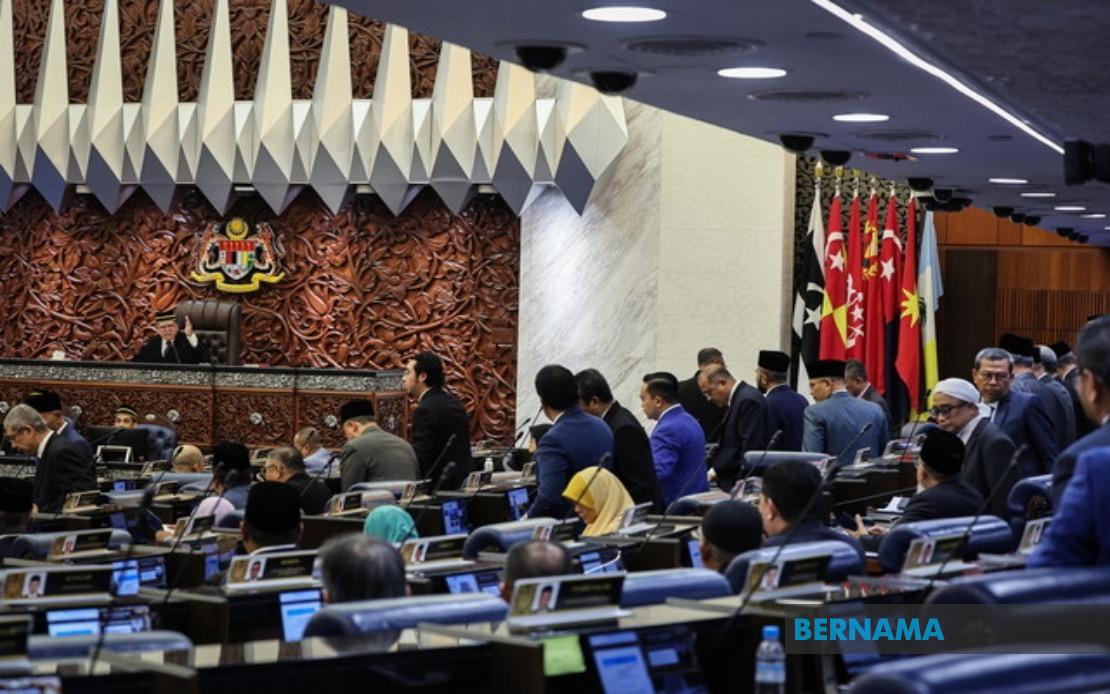
The decision by Opposition Members of Parliament to abandon proceedings in the Dewan Rakyat during debate on the Lembaga Tabung Haji (TH) Royal Commission of Inquiry report has sparked scrutiny over whether the move serves the interests of depositors or primarily registers political displeasure. Led by Opposition Leader Datuk Seri Hamzah Zainudin and supported by Perikatan Nasional (PN) lawmakers including PN Chief Whip Datuk Seri Takiyuddin Hassan, the walkout occurred in response to the absence of Prime Minister Datuk Seri Anwar Ibrahim and Deputy Prime Minister Datuk Seri Fadillah Yusof, both undergoing medical treatment. The decision immediately raised questions about parliamentary strategy and the Opposition's priorities in addressing one of Malaysia's most sensitive financial crises affecting millions of Muslim pilgrims and their savings.
Academic analysis suggests the walkout functioned primarily as a symbolic protest rather than a substantive engagement with the TH crisis itself. Prof Datuk Dr Sivamurugan Pandian from Universiti Sains Malaysia's School of Social Sciences articulates this distinction, observing that while the tactical choice generated media attention, it surrendered the most effective platform for advancing the Opposition's case on behalf of affected depositors. The timing of the special sitting on July 29, shortly after the government made the RCI findings public, represented a rare opportunity for detailed parliamentary scrutiny of governance failures affecting what amounts to the life savings of countless Malaysians. Forgoing this forum to protest executive absences, regardless of the symbolic message intended, risked undermining the substantive case that could have been documented in the official parliamentary record.
The debate over walkout strategy exposes divisions within the Opposition itself, with some PN MPs remaining in the chamber to participate in proceedings despite the leadership's decision to withdraw. This internal inconsistency weakens the political signal that the Opposition intended to send and suggests uncertainty about the effectiveness of collective action on this issue. Such fractures are particularly significant when addressing a matter as consequential as TH, where unity of opposition messaging might amplify pressure on the government to implement comprehensive remedial measures. The presence of dissenting voices within the Opposition bloc undercuts the narrative of a principled collective stand and instead suggests opportunistic calculation about which actions generate maximum political advantage.
From a strategic perspective, remaining in parliament to debate the RCI report would have offered several advantages that a walkout forfeited. The official record of parliamentary debate creates a permanent document that can be cited in future proceedings, media commentary, and electoral campaigns. Detailed questioning of government ministers and technical experts can expose specific governance failures, mismanagement timelines, and proposed remedies in ways that generate public awareness more effectively than photographs of empty benches. For an opposition movement seeking to establish credibility on major policy issues, demonstrating command of detailed evidence and presenting coherent alternative proposals carries more weight than theatrical gestures. The walkout, by contrast, reduces the Opposition's contribution to the historical record of how parliament addressed the crisis, potentially disadvantaging them when voters assess which political forces genuinely championed depositors' interests.
The absence of Prime Minister Anwar Ibrahim and Deputy Prime Minister Fadillah Yusof, while legitimately concerning to the Opposition, carries different implications depending on interpretation. If the walkout protest aimed to express disapproval of executive attendance at parliamentary proceedings, it achieved a symbolic objective at the cost of substantive engagement. However, the government's health-related absences, which are matters of public record, limit the effectiveness of using non-attendance as grounds for abandoning parliamentary business. Malaysian voters and international observers understand that serious illness occasionally prevents participation in official duties, and the walkout risks appearing as overreaction to circumstances beyond executive control rather than principled objection to governmental conduct regarding TH itself.
Parliament's fundamental constitutional role as a mechanism for checking executive power depends on continuous engagement rather than selective withdrawal. When opposition movements opt out of debates on significant policy matters, they diminish their capacity to perform this oversight function and simultaneously hand the government a clear parliamentary field to present its narrative unopposed. Documentation of critical questions, pointed rebuttals to official explanations, and detailed presentation of alternative solutions serves the interests of affected citizens far more effectively than symbolic absences. The TH crisis involves complex questions about regulatory failures, investment decisions, governance structures, and remediation timelines that demand rigorous parliamentary interrogation. Abandoning the chamber surrenders this responsibility without clear commensurate gain.
The analytical assessment by academic observers emphasizes that publicity generated by walkouts proves fleeting compared to the lasting impact of substantive parliamentary engagement. Media coverage of the Opposition leaving the chamber lasted hours or days, whereas detailed parliamentary debate on TH grievances would have generated documentation consulted for years by depositors seeking to understand what went wrong and which political actors genuinely fought for their interests. For ordinary Malaysians with savings in TH, the Opposition's actual advocacy record in parliament matters more than dramatic exits that may prioritize political theater over practical solutions. This calculus becomes particularly acute when evaluating opposition credibility on bread-and-butter financial security issues that affect millions of households.
The government, conversely, must contend with legitimate questions about why addressing the TH crisis required a special parliamentary sitting conducted without full executive presence. The symbolism cuts both directions: if the matter warranted urgent parliamentary attention, surely it merited full governmental participation. The Opposition's protest, though strategically questionable in implementation, identifies a real lacuna in executive engagement that the government should address. However, this valid observation does not automatically justify the opposition's tactical choice to walk out rather than use the opportunity to document the government's insufficient commitment on the official record. Two actors can simultaneously be vulnerable to criticism of their choices without either decision being strategically optimal.
Moving forward, the walkout episode suggests that Malaysian parliamentary culture would benefit from clearer conventions regarding how opposition movements should conduct themselves when disputing executive actions or absences. Democratic accountability requires opposition participation in deliberations on major policy failures, even when participating forces disapprove of how proceedings are structured or who attends from the government side. The TH crisis is sufficiently consequential that it transcends partisan advantage considerations; the opposition's ultimate obligation runs to affected depositors rather than to short-term political positioning. The willingness to surrender parliamentary engagement for symbolic protest, even when motivated by legitimate grievances, corrodes the institution's effectiveness as a vehicle for democratic oversight and remedial policy change.
The broader question about whether opposition movements genuinely care about stakeholder interests cannot be answered solely through analysis of parliamentary tactics. The Opposition's treatment of TH matters must be evaluated across multiple actions and statements over an extended period. However, the specific decision to walk out during a rare parliamentary opportunity to examine the RCI findings represents a choice that, on balance, appeared to prioritize protest messaging over substantive advocacy. This does not necessarily reflect indifference to depositor welfare, but it does demonstrate that other political considerations influenced strategic decision-making at a moment when the opposition movement's undivided focus on the substantive crisis might have served affected Malaysians most effectively.

