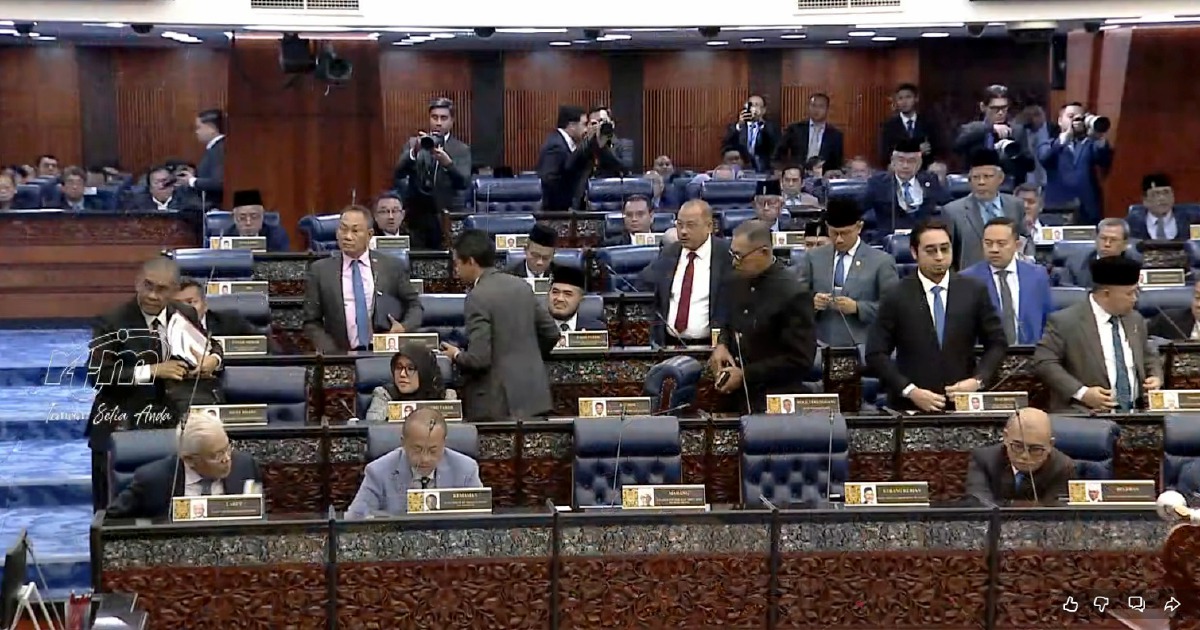
Proceedings in the Dewan Rakyat descended into dramatic scenes when opposition members abandoned their seats in a show of protest against the timing of a special parliamentary session examining the Royal Commission of Inquiry findings into Tabung Haji's financial affairs. The walkout occurred after the Speaker declined requests from the opposition benches to delay the sitting until Prime Minister Datuk Seri Anwar Ibrahim could participate, with legislators citing the importance of the Prime Minister's presence during such a consequential debate.
The opposition's objection hinged on procedural and substantive grounds. Members argued that a comprehensive discussion of the RCI report—which examines the operations and governance of Malaysia's Islamic pilgrimage fund—warranted the full participation of the nation's chief executive. The absence of the Prime Minister, they contended, would undermine the accountability mechanisms that such inquiries are designed to establish and the broader parliamentary scrutiny of government agencies and their leadership.
Tabung Haji, formally known as the Lembaga Tabung Haji, manages and invests funds contributed by Malaysians saving for the Hajj pilgrimage. The organization has faced recurring questions regarding its financial management, governance structures, and regulatory oversight in recent years. A Royal Commission of Inquiry was established to investigate these matters comprehensively, and the release of its report represents a significant moment for institutional accountability in Malaysia's Islamic finance sector.
The timing of the special sitting remained a point of contention throughout the session. Lawmakers from the opposition coalition pressed the Speaker to consider postponing proceedings until the Prime Minister's return to ensure that Parliament could engage in substantive exchanges with the head of government regarding the report's findings and any policy recommendations emerging from the inquiry. Such debates frequently lead to ministerial responses and commitments that benefit from prime ministerial involvement.
The Speaker's decision to proceed without acceding to the postponement request reflected the government's determination to move forward with the parliamentary examination of the RCI findings. Government MPs maintained that delaying the session would constitute unnecessary obstruction of parliamentary business and that proceedings could proceed productively without the Prime Minister present. This position emphasized the capacity of relevant ministers and government officials to address questions on behalf of the administration.
The walkout itself represented a tactical response by opposition lawmakers frustrated by what they characterized as an unwillingness to accommodate reasonable requests for scheduling. Walking out of parliamentary proceedings sends a potent political signal, withdrawing opposition participation and denying the government the appearance of unified support or broad consensus. It also serves to highlight grievances regarding parliamentary conduct and government decision-making for media coverage and public attention.
For Malaysian observers, the episode illustrates ongoing tensions between the government and opposition regarding parliamentary procedure, timing, and the substantive importance of executive presence during major debates. These procedural clashes, while sometimes appearing technical, reflect deeper disagreements about parliamentary accountability and the proper role of the Prime Minister in parliamentary scrutiny of significant policy matters and institutional performance.
The Tabung Haji controversy has accumulated considerable public interest given the fund's importance to millions of Malaysian Muslims and its role in national Islamic finance architecture. The RCI report was anticipated to provide findings that could shape future governance and regulatory frameworks for the organization. Parliamentary debate on these findings thus carries genuine significance for stakeholders, policymakers, and the broader public concerned with institutional integrity within Malaysia's Islamic financial sector.
The opposition's stance also reflects concern that proceeding without the Prime Minister might limit the depth and quality of parliamentary engagement with the report's contents. Opposition members reasoned that substantive points raised during debate could be more effectively addressed through direct exchange with the Prime Minister rather than through responses from subordinate officials who might lack authority to commit to policy adjustments or further investigations.
From a Southeast Asian perspective, the incident demonstrates how parliamentary governments continue to grapple with balancing executive convenience against legislative prerogatives. Malaysia's Westminster-derived system theoretically grants Parliament substantial oversight authority, yet practical implementation sometimes generates friction between government efficiency and opposition demands for substantive accountability mechanisms.
The broader context for this dispute includes ongoing public and political scrutiny of governance standards within Malaysian state institutions. Tabung Haji's challenges have contributed to wider conversations about transparency, accountability, and professional management within agencies managing public assets or funds. Parliamentary examination of the RCI report was expected to address questions that extend beyond the organization itself to broader governance practices.
The Speaker's ruling ultimately established that Parliament would proceed with the special sitting despite opposition objections. This decision empowered the government to advance its legislative agenda while simultaneously marking another instance of parliamentary conflict over procedure and timing. Whether the debate proceeded with reduced opposition participation following the walkout, and what substantive content emerged from the session, would shape perceptions of parliamentary effectiveness in addressing institutional accountability matters that concern Malaysian stakeholders.

