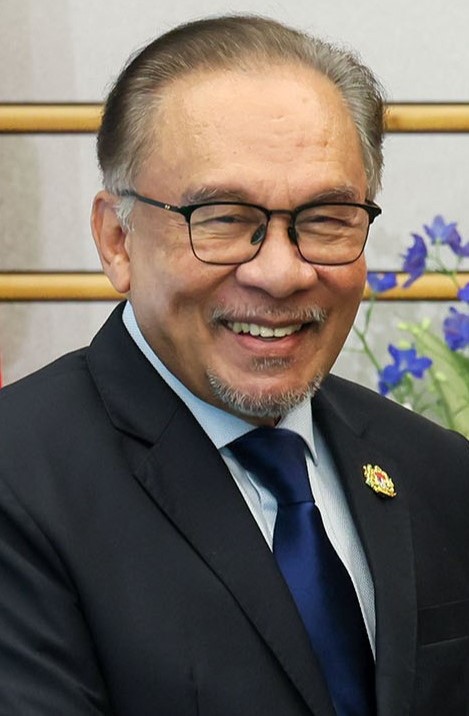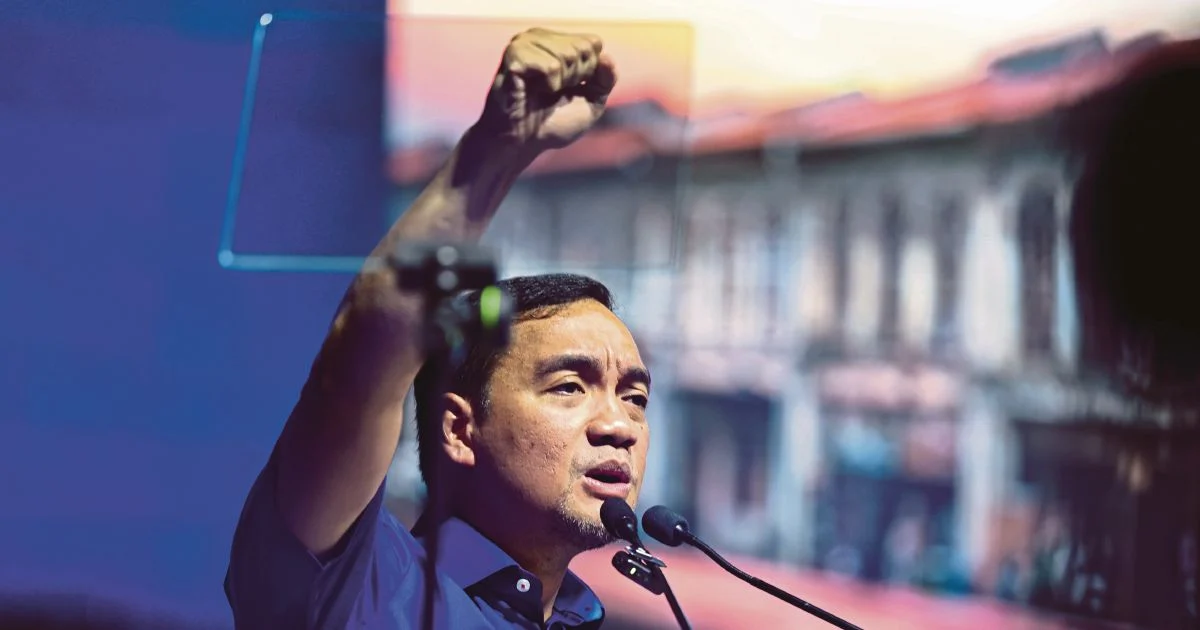
Datuk Onn Hafiz Ghazi, the caretaker Menteri Besar of Johor, has confirmed his candidacy for the Machap seat in the state's upcoming election, positioning himself to continue his leadership role in Malaysia's southern region. The announcement underscores his commitment to the constituency that has served as his political base, even as Johor prepares for the electoral contest that will determine the state's next government.
Machap, situated in the Tangkak parliamentary district, has been a significant stronghold for Onn Hafiz and his political coalition. His decision to defend the seat represents a strategic move to solidify support among local constituencies ahead of what is widely expected to be a closely contested state election. The Machap constituency encompasses various demographic groups and economic sectors, making it a bellwether of broader political sentiment across southern Johor.
As caretaker Menteri Besar, Onn Hafiz occupies an influential position within Johor's administrative structure, overseeing state governance during the period preceding the election. This interim role carries significant responsibility for managing state affairs and ensuring continuity of public services. His choice to contest from his current seat rather than relocating to another constituency demonstrates confidence in his relationship with local voters and suggests his coalition expects to retain control of the state government.
The forthcoming Johor election carries implications for Malaysian politics beyond the state level. Johor's electoral outcome will influence the broader political balance in the peninsula, particularly given the state's population size and economic importance. As one of Malaysia's most developed and populous states, Johor's political trajectory often reflects wider national trends and can shape the momentum for subsequent elections elsewhere in the country.
Onn Hafiz's political journey has been marked by efforts to consolidate power within Johor's complex political landscape. His tenure as Menteri Besar has involved navigating competing interests among various political factions and ensuring effective governance across diverse constituencies. The Machap constituency, with its mix of urban and rural areas, provides a representative sample of Johor's varied electorate.
The timing of his candidacy announcement reflects standard electoral practice in Malaysian state politics, where potential candidates typically declare their intentions as election dates approach. Such declarations serve multiple purposes, including reassuring party members of leadership continuity and signalling electoral readiness to grassroots supporters. In Johor's context, where political fortunes have shifted significantly in recent years, clear leadership messaging proves particularly valuable.
Local factors will undoubtedly play a role in Machap's electoral dynamics. The constituency's residents are likely to evaluate Onn Hafiz's performance on state development initiatives, infrastructure projects, and economic opportunities. Rural constituencies in Johor have particular concerns regarding agricultural support, land rights, and resource management, issues that state-level politicians must address credibly to maintain voter confidence.
Onn Hafiz's political coalition will likely mobilize significant resources behind his candidacy, recognizing the symbolic importance of retaining the Menteri Besar's seat. A loss in Machap would carry particular significance given his current position, potentially affecting the coalition's overall electoral narrative and voter confidence. Conversely, a strong performance in the seat would validate the coalition's broader electoral strategy across Johor.
The opposition will equally recognise the strategic value of contesting Machap vigorously, viewing the seat as a potential opportunity to damage the incumbent administration's credibility. Competition for the seat is therefore likely to be spirited, with both major political coalitions investing considerable effort in the constituency. The battle for Machap may well reflect broader patterns across Johor's electoral landscape.
Electoral dynamics in Johor have undergone significant transformation during the past decade, with previously considered safe seats becoming competitive and established political relationships being tested. This volatility means that even constituencies with strong incumbent support face genuine competitive pressure. Onn Hafiz's decision to defend Machap reflects both his confidence in local support and the necessity of active campaigning even in traditionally favourable territories.
The state election will occur within Malaysia's broader political context, where economic conditions, governance performance, and national political developments influence voting patterns at the state level. Johor voters will assess not only local administration but also their state government's relationship with federal authorities and its effectiveness in securing resources and opportunities for the state.
Onn Hafiz's candidacy announcement marks the beginning of serious electoral preparations in Johor. As campaigns intensify across the state's various constituencies, the competition for Machap will likely become increasingly visible in local political discourse, campaign messaging, and voter engagement activities. The outcome of this particular contest will contribute meaningfully to determining Johor's political future and the composition of the next state government.