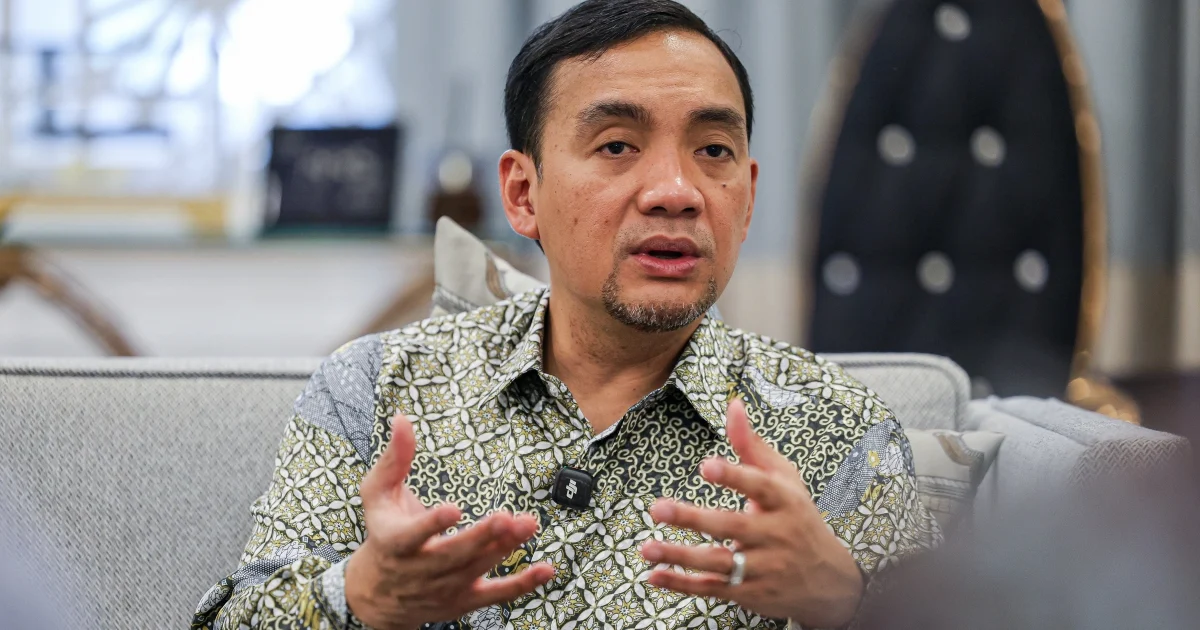
Caretaker Menteri Besar of Johor Datuk Onn Hafiz Ghazi has firmly rejected assertions made by Datuk Dr Mohd Puad Zarkashi, clarifying that he never stated the palace had "ordered" the dissolution of the Johor state assembly. The denial represents an important clarification in the ongoing political developments surrounding the state's recent administrative changes, and comes as discussions continue regarding the circumstances that led to the assembly being called for fresh elections.
The controversy underscores a broader pattern of political communication in Malaysian state politics, where statements attributed to senior figures can swiftly become matters of public dispute. The distinction between what was actually said and what commentators claim was stated can carry significant implications for perceptions of institutional relationships and the constitutional roles of various governmental bodies. In this instance, the denial appears designed to prevent misinterpretation of the menteri besar's position on the separation of powers between executive and palace authority.
Johor, Malaysia's southernmost peninsular state, has historically been a politically significant entity given its economic importance and strategic location adjacent to Singapore. The state assembly dissolution represents a consequential political moment, as it typically triggers electoral campaigns and reshuffles within the state government structure. Understanding the actual chain of events leading to such decisions is therefore of considerable public interest, particularly regarding whether key administrative actions reflect palace directives or decisions taken independently by the executive branch.
The nature of the allegations made by Datuk Dr Mohd Puad Zarkashi, and Onn Hafiz's subsequent denial, touches on fundamental constitutional questions about governance in Malaysia. The constitutional monarchy system operative across Malaysian states establishes a framework where the Sultan possesses certain prerogatives, yet the menteri besar and state assembly leadership exercises executive and legislative functions. Clarifying whether institutional decisions reflect palace guidance or autonomous executive choice therefore carries implications beyond mere political theatre.
Onn Hafiz's position as caretaker menteri besar during this period places him in a particularly sensitive political position. Caretaker administrations typically operate with limited authority, primarily managing routine governmental functions whilst avoiding major policy initiatives. The context of the assembly dissolution and subsequent caretaker period has necessitated him to address various claims and allegations regarding both the dissolution process itself and the interactions between different branches of the state government.
The political landscape of Johor has been marked by competitive dynamics among various factions and coalitions, with competing claims and counter-claims frequently dominating public discourse. In such environments, precise language and clarifications regarding key statements become essential for preventing misunderstandings and maintaining institutional credibility. The denial from the caretaker menteri besar attempts to establish a clear factual record regarding his own statements and intentions.
For Malaysian readers following state-level politics, such disputes carry practical importance. The way state administrations manage constitutional relationships, communicate their decision-making processes, and respond to allegations about institutional conduct influences public confidence in governmental institutions. When senior figures must repeatedly clarify or deny statements attributed to them, it can either strengthen or undermine public perception depending on how transparently the clarifications are accepted.
The timing of such political exchanges frequently matters in Malaysian contexts. Occurring during a caretaker period, these clarifications shape the narrative that incoming administrations will inherit, potentially influencing how elected representatives approach governing once a new state assembly is constituted. The public record established through statements and denials during this interregnum can therefore bear consequences extending beyond the immediate caretaker phase.
Regional observers and political analysts monitoring Malaysian state politics have noted that interactions between elected officials and palace institutions remain subjects warranting careful scrutiny and balanced interpretation. The Johor situation illustrates how quickly allegations regarding institutional interference can spread, and correspondingly, how essential rapid and clear denials become when such claims diverge from actual circumstances. The transparency with which these matters are handled reflects broader patterns of governance and institutional accountability.
The episode also highlights the importance of direct communication from political figures rather than relying on intermediaries or interpretations from other commentators. When substantial claims circulate regarding statements made by senior officials, those officials themselves serve as the most authoritative sources for clarification. Onn Hafiz's direct denial therefore constitutes the official position that should anchor public understanding of his actual statements and intentions regarding the assembly dissolution.
Looking forward, how these clarifications are received and accepted will likely influence political dynamics in Johor as the state moves beyond the caretaker period. The credibility established through transparent communication during administratively sensitive periods often carries forward into subsequent governance phases. For the incoming administration, inheriting a clear and credible record regarding institutional relationships and decision-making processes provides a firmer foundation for effective governance.
The broader implications extend beyond Johor itself, as other Malaysian states observe how institutional relationships are managed during periods of administrative transition. The mechanisms through which state governments address political allegations, clarify ambiguities in official statements, and maintain transparency regarding constitutional processes collectively contribute to standards of governance across the federation. Each state's handling of such matters therefore carries relevance for the overall quality of institutional practice in Malaysian politics.

