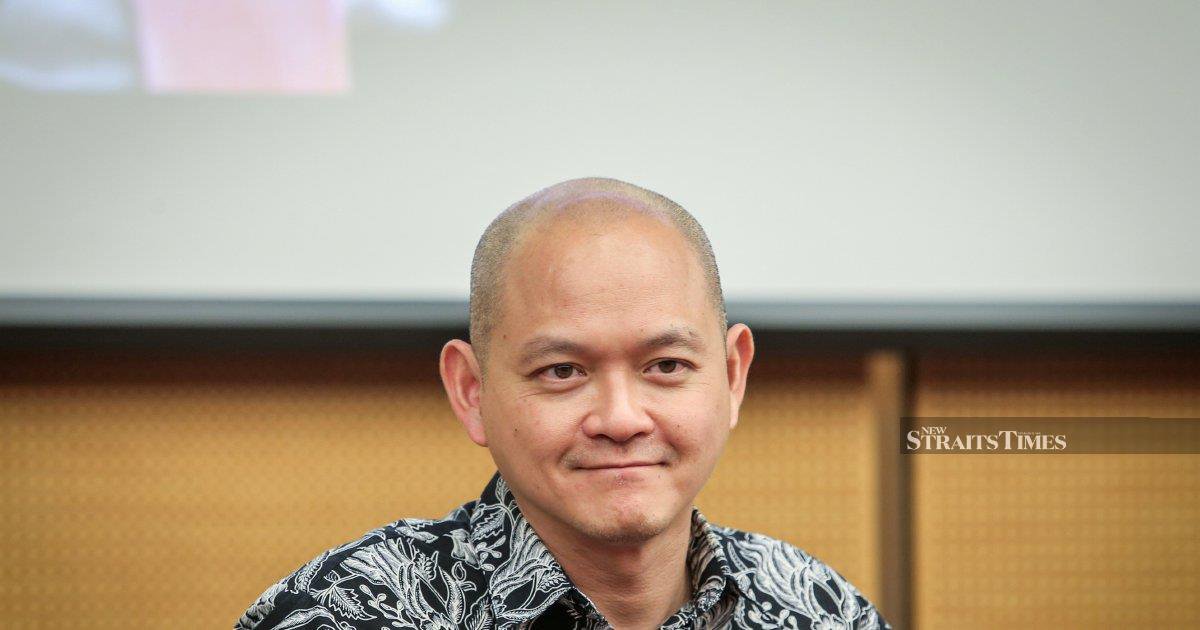
The political landscape shifted on Monday when Dr Ong Kian Ming, who previously represented Bangi in Parliament, formally announced his departure from the Democratic Action Party. The move signals a notable realignment within Malaysia's opposition movement and marks a significant development as the country heads toward its next general election cycle.
Ong's decision to leave DAP comes as political parties across the spectrum prepare their machinery and candidate lists for what many anticipate will be a closely contested national ballot. The timing of his departure and his subsequent commitment to support Khairy Jamaluddin's political endeavours underscore the fluid nature of Malaysian politics, where legislators regularly shift between coalitions and party affiliations in response to evolving political circumstances and personal calculations.
As Bangi's representative in the 14th and 15th Parliaments, Ong established himself as a prominent figure within DAP's parliamentary contingent. The Bangi constituency, which encompasses parts of the Klang Valley and has historically been contested between the ruling and opposition camps, served as his electoral stronghold during his tenure. His departure represents a notable loss for DAP's parliamentary experience and intellectual capital, particularly given his background in economics and policy analysis.
Khairy Jamaluddin, the prospective beneficiary of Ong's support, has long been identified as a possible candidate for high office within his party. The alliance between Ong and Khairy, coming from ostensibly opposite ends of the political spectrum, reflects the pragmatic calculations that often characterise Malaysian politics at the elite level. Such cross-coalition cooperation, while unusual at grassroots levels, has become increasingly common among prominent political figures seeking to build broader electoral coalitions.
The implications of this move extend beyond the personal ambitions of either politician. DAP, Malaysia's largest ethnic Chinese opposition party, has built its electoral strategy around maintaining a consolidated voter base and expanding beyond its traditional urban strongholds. The departure of experienced parliamentarians like Ong potentially weakens the party's depth in Parliament and its capacity to mount sophisticated policy critiques of government initiatives.
For Khairy's camp, acquiring an economist and policy expert of Ong's stature provides intellectual resources and strategic perspectives that could enhance campaign messaging and policy development. This cross-party collaboration demonstrates how senior politicians increasingly operate within networks that transcend formal party boundaries, particularly when preparing for transformative electoral contests.
The Bangi constituency itself becomes a focal point for observation. The seat's electoral dynamics will likely shift given Ong's departure, and both DAP and other opposition parties will need to identify fresh candidates capable of defending or reclaiming the seat. The constituency's suburban character and demographic diversity have made it a barometer of wider voter sentiment in the Klang Valley region, an area that frequently decides general election outcomes.
Ong's move also reflects broader patterns within Malaysian opposition politics, where talented individuals occasionally conclude that their ambitions or ideological commitments can be better served outside their original party structures. The DAP, despite its dominance within opposition ranks, has occasionally experienced departures from figures who felt constrained by party discipline or frustrated by internal power dynamics.
Looking forward, Ong's involvement in preparations for the next general election could influence how policy debates are framed during campaigning. His economic expertise might become instrumental in shaping narratives around fiscal management, income distribution, and developmental priorities. Meanwhile, DAP will need to consolidate its remaining parliamentary talent and demonstrate that it can absorb such departures without compromising its institutional effectiveness.
The broader significance of this political transition lies in what it reveals about Malaysia's maturing democracy. While party-hopping remains a contentious issue within electoral discourse, the movement of experienced legislators between formations suggests a political system where policies and personal relationships sometimes matter more than party loyalty. This reality shapes how analysts assess coalition stability and electoral competitiveness heading into the next national contest.
As Malaysian politics continues its intricate dance of alliance-building and repositioning, developments like Ong's departure remind observers that the path to the next general election remains unpredictable. The accumulation of such individual decisions by prominent politicians gradually reshapes the competitive landscape, alters the distribution of experienced talent between formations, and influences which narratives and policy priorities will dominate electoral campaigning.

