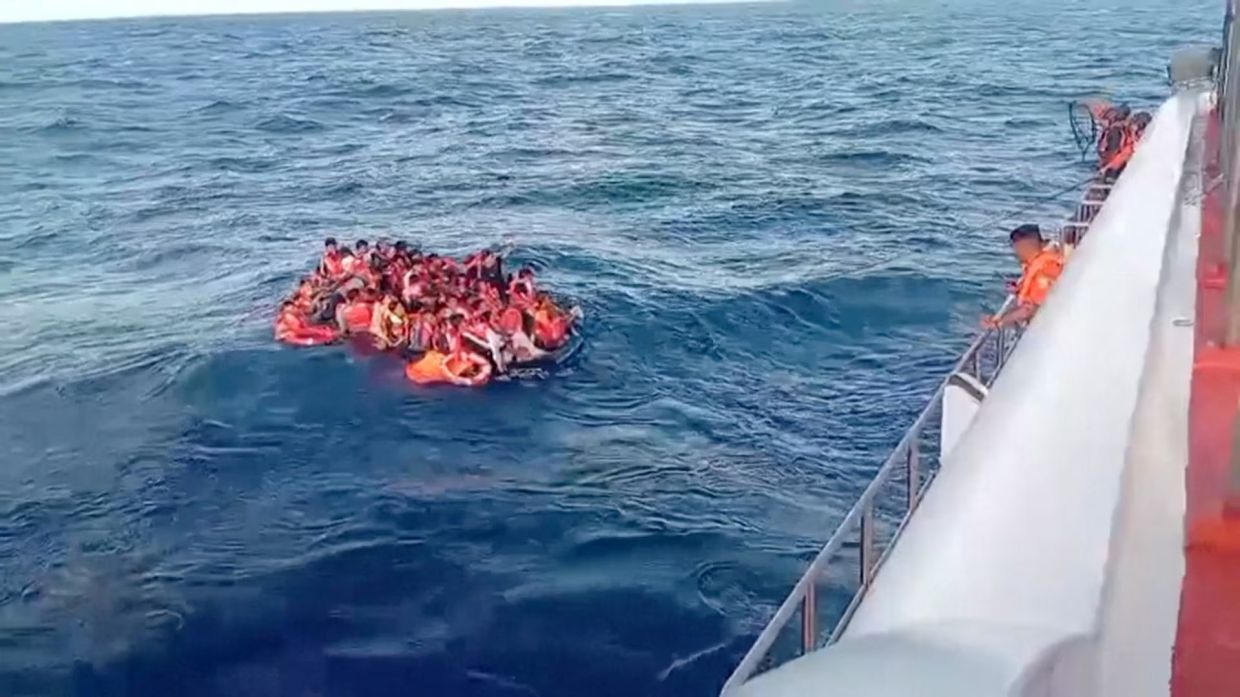
A major maritime emergency unfolded in Indonesian waters early Wednesday when the passenger ferry Putri Yasmin caught fire while transiting between two of the country's most visited islands. The blaze erupted at approximately 4:15 a.m. local time as the vessel proceeded from Bali toward the neighbouring island of Lombok, triggering what would become one of the region's more significant rescue operations in recent months. By Thursday, authorities confirmed that one Indonesian woman had perished in the incident, whilst the coordinated efforts of multiple response agencies resulted in the safe evacuation of 211 people to ports serving both islands.
The swift mobilization of rescue assets proved critical to limiting casualties in what could have developed into a far more catastrophic situation. Indonesia's National Search and Rescue Agency deployed personnel and equipment to the scene, working alongside vessels from the Indonesian Navy, maritime police units, and commercial ships that happened to be in the vicinity and responded immediately to distress calls. The multi-layered response capability, drawing on both state institutions and private maritime operators, exemplifies the infrastructure that Indonesia has developed to manage maritime emergencies across its sprawling archipelago. Local authorities released statements emphasizing that the evacuation process proceeded without complications, suggesting that crew training and emergency protocols functioned adequately despite the vessel's sudden mechanical crisis.
Discrepancies in passenger manifests have emerged as a significant concern in the aftermath of the disaster, highlighting longstanding documentation challenges in Indonesian maritime transport. The Putri Yasmin's official passenger list recorded 131 people aboard, comprising 114 passengers and 17 crew members, yet investigators subsequently determined that substantially more individuals occupied the vessel at the time of the fire. The presence of unregistered passengers—a pattern not uncommon across ferry networks serving remote Indonesian communities—complicates both rescue operations and damage assessments. This gap between documented and actual passenger counts raises questions about how such discrepancies occurred and whether insufficient boarding controls contributed to the hazardous overcrowding.
The investigation into the fire's origin has been assigned to Indonesia's National Transportation Safety Committee, with technical support from the Lembar Port Authority on Lombok. Early findings are expected to focus on mechanical systems, fuel storage arrangements, electrical infrastructure, and maintenance records for the Putri Yasmin. Indonesia operates thousands of ferries facilitating inter-island transport, and any systemic defects or design flaws identified in this vessel could have implications for the broader maritime passenger fleet. The assessment of material losses—encompassing the ferry itself, vehicles transported aboard, and cargo—remains incomplete, though preliminary valuations suggest substantial financial impact.
The ferry transport sector represents an economic and logistical lifeline for Indonesia, a nation comprising over 17,000 islands where maritime connections constitute the backbone of internal commerce and personal mobility. Millions of Indonesians depend on ferries for daily commutes, business travel, and access to employment and education opportunities across the archipelago. The Bali-Lombok route, in particular, serves both domestic travellers and international tourists exploring Indonesia's tourism circuit, making the reliability and safety of these connections consequential for the economy. Wednesday's incident disrupts this vital connectivity and raises fresh concerns about operational standards across the sector.
Structural vulnerabilities within Indonesia's maritime safety environment have repeatedly surfaced following such incidents. Inadequate enforcement of international maritime safety conventions, insufficient crew training and certification standards, and the financial pressures encouraging operators to maximize passenger capacity and minimize maintenance investments all contribute to recurring accident patterns. The unpredictability of weather conditions across Indonesia's tropical maritime zones compounds these human factors, creating an environment where mechanical failures can rapidly escalate into emergencies. Previous ferry disasters have prompted promises of regulatory reform, yet implementation gaps persist across many operators.
The successful outcome of this particular rescue operation should not obscure these systemic concerns. The fact that authorities were able to locate, evacuate, and transport 211 people from a burning vessel in open water reflects credit on response personnel and the maritime infrastructure that exists. However, the underlying fragility of passenger safety standards means that such fortunate outcomes cannot be guaranteed in future incidents. The unregistered passenger problem, in particular, suggests that enforcement mechanisms remain permissive or ineffective across port facilities and maritime authorities.
For Malaysia and other Southeast Asian maritime nations, the Putri Yasmin incident offers a cautionary reminder about shared challenges across the region's ferry sectors. Malaysia's own inter-island and cross-border ferry networks serve comparable functions for millions of passengers, and parallel risks arise from ageing vessels, variable regulatory enforcement, and underfunded safety infrastructure. The experience of Indonesia's rescue teams may inform bilateral maritime safety cooperation frameworks, particularly regarding coordinated response protocols for emergencies in shared waters.
Longer-term solutions will likely require sustained investment in fleet modernization, mandatory adoption of advanced safety technologies, regular third-party inspections, and rigorous crew certification standards. Indonesia's government has announced various maritime safety initiatives, yet translating policy commitments into operational reality across thousands of private ferry operators remains persistently challenging. The Putri Yasmin fire has reignited debate about whether current regulatory frameworks adequately protect the travelling public or whether more stringent, uniformly applied standards are necessary to prevent future tragedies.

