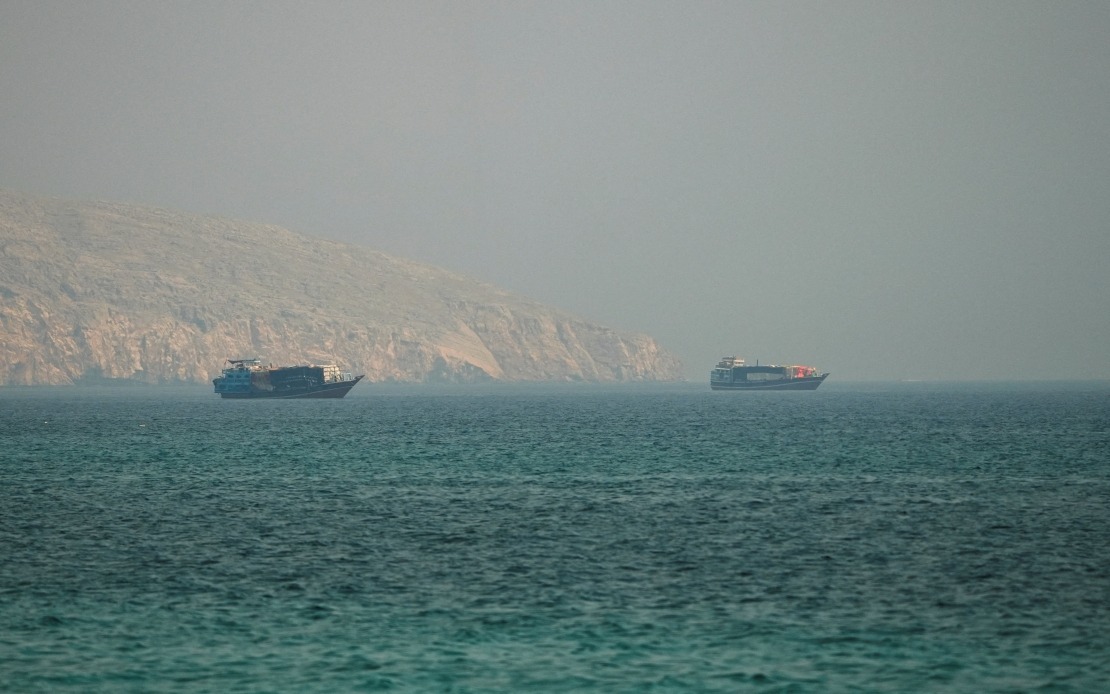
Oman has thrown its weight behind voluntary service fee arrangements rather than compulsory tolls for vessels transiting the strategically vital Strait of Hormuz, an Omani official stated during the International Maritime Organisation Council's 137th session held in London this week. The position represents a measured middle ground in an increasingly tense debate over maritime access through one of the world's most critical shipping corridors, where approximately one-third of global seaborne oil passes daily. Speaking at the IMO gathering between July 6 and 10, the Omani delegate underscored his nation's commitment to upholding the internationally recognised principle of transit passage, a legal doctrine enshrined in the United Nations Convention on the Law of the Sea that guarantees vessels freedom of navigation through international straits.
Oman's stance gains significance given reports that the sultanate had recently submitted an alternative proposal to the United States and allied Western nations. Under this framework, shipping companies operating through the waterway would contribute voluntarily toward designated navigational support services rather than facing imposed mandatory tolls. The proposal reportedly draws structural inspiration from existing voluntary contribution schemes operating in the Strait of Malacca and Singapore, two other critical Asian maritime passages where similar funding mechanisms have operated with reasonable acceptance from the international shipping community. For Malaysian policymakers and regional observers, the Omani proposal carries particular relevance given Malaysia's direct stakeholder interest in both the Malacca Strait model and broader maritime security architecture across Southeast Asia.
The debate over Hormuz transit arrangements has intensified amid allegations that Iran has begun imposing unilateral fees on passing vessels, a practice that threatens established norms of open ocean access and raises concerns about potential escalation in the Persian Gulf region. The United Arab Emirates, alongside several other nations, formally submitted a proposal at the IMO Council condemning these reported transit tolls, framing the issue as a violation of international maritime law and a threat to global trade flows. The initiative reflected mounting frustration among maritime trading nations at what they perceive as arbitrary assertions of authority over a waterway through which hundreds of billions of dollars in commerce transit annually.
Iran's response to these accusations came through a separate submission to the IMO Council, wherein Tehran stated it has maintained ongoing consultations with Oman regarding management protocols and coordination mechanisms for administering the strait in compliance with international legal frameworks and applicable domestic regulations. The Iranian statement suggested these discussions remain fluid and active, potentially signalling willingness for negotiated settlement rather than unilateral confrontation. This diplomatic positioning indicates that regional powers may be exploring structured solutions before international pressure crystallises into formal sanctions or naval interventions that could severely disrupt global energy supplies and maritime commerce.
Oman's preference for voluntary arrangements rather than mandatory systems reflects the sultanate's traditional role as a careful mediator and pragmatist in regional affairs, seeking solutions that preserve international principles while acknowledging legitimate concerns from all parties. The sultanate, while geographically positioned to exercise considerable influence over the Strait of Hormuz, has historically prioritised stability and consensus-building over asserting unilateral control. This diplomatic approach has made Oman a trusted interlocutor between opposing blocs and a reliable advocate for rules-based international order. For Malaysian observers, Oman's philosophy mirrors principles that have historically guided regional diplomacy in Southeast Asia, where smaller nations have sought to anchor major powers within frameworks of shared interest and reciprocal benefit.
The reference to Malacca Strait models holds particular weight in regional discussions. Malaysia, along with Singapore and Indonesia, participates in cooperative arrangements for maintaining safety and security within this critical waterway without imposing mandatory tolls on transit shipping. Instead, voluntary contributions support navigational aids, marine environmental protection, and anti-piracy operations. The system's relative success demonstrates that effective maritime governance and revenue generation need not depend on coercive mechanisms. Oman's invocation of this model suggests awareness that sustainable solutions addressing security, environmental, and financial concerns can emerge through transparent, consensual frameworks rather than unilateral assertions of control.
The IMO Council session underscored how maritime governance challenges in one region can rapidly acquire global dimensions, particularly when energy security and international trade connectivity intersect with geopolitical tensions. The Strait of Hormuz dispute cannot be resolved through unilateral action by any single state without provoking international backlash and potential economic disruption far exceeding any revenue generated through imposed fees. The very principle of transit passage that underpins global maritime law depends on reciprocal respect and non-discriminatory treatment of all vessels regardless of flag state or cargo composition. Any erosion of these principles would set dangerous precedents for other straits, including those in Asia, where Malaysia, Singapore, and Indonesia maintain critical interests.
Oman's reaffirmation of commitment to preserving safe, open sea lanes reflects the existential importance of maritime connectivity to global prosperity and stability. The sultanate's emphasis on strengthening maritime supply chain resilience carries particular meaning given the shock waves that disruptions to the Hormuz route have historically transmitted throughout Asian economies heavily dependent on imported energy. Malaysia, as a substantial energy importer and major maritime trading nation, faces direct vulnerability to any sustained disruption of Persian Gulf shipping lanes. Ensuring that navigational challenges are addressed through cooperative, transparent mechanisms rather than confrontational unilateral assertions represents a vital interest for Malaysian policymakers and regional trading communities.
The ongoing consultations between Iran and Oman suggest that pathways toward negotiated settlement remain open, though the window for diplomatic resolution may narrow if international pressure intensifies or additional incidents occur. The voluntary fee framework proposed by Oman could theoretically address revenue requirements for maritime administration while preserving the principle of open transit that international law guarantees. However, its viability depends critically on whether all parties, particularly Iran, accept that legitimate maritime administration interests can be satisfied without resorting to mechanisms that functionally resemble tolls or create barriers to transit. The coming weeks and months will reveal whether regional diplomacy can prevail over escalatory cycles.
For Malaysia and other Southeast Asian maritime nations, the Hormuz situation carries lessons about the fragility of international maritime order and the importance of supporting regional and global mechanisms that embed shared interests in stability over unilateral assertions of control. The IMO Council remains a crucial forum where these principles can be reinforced and mechanisms for dispute resolution can be strengthened. Malaysian leadership might productively engage in this process, drawing on the sultanate's experience with Malacca Strait governance and its commitment to rules-based regional order. The outcome of these Hormuz negotiations will likely set precedents affecting maritime governance throughout Asia for decades to come.

