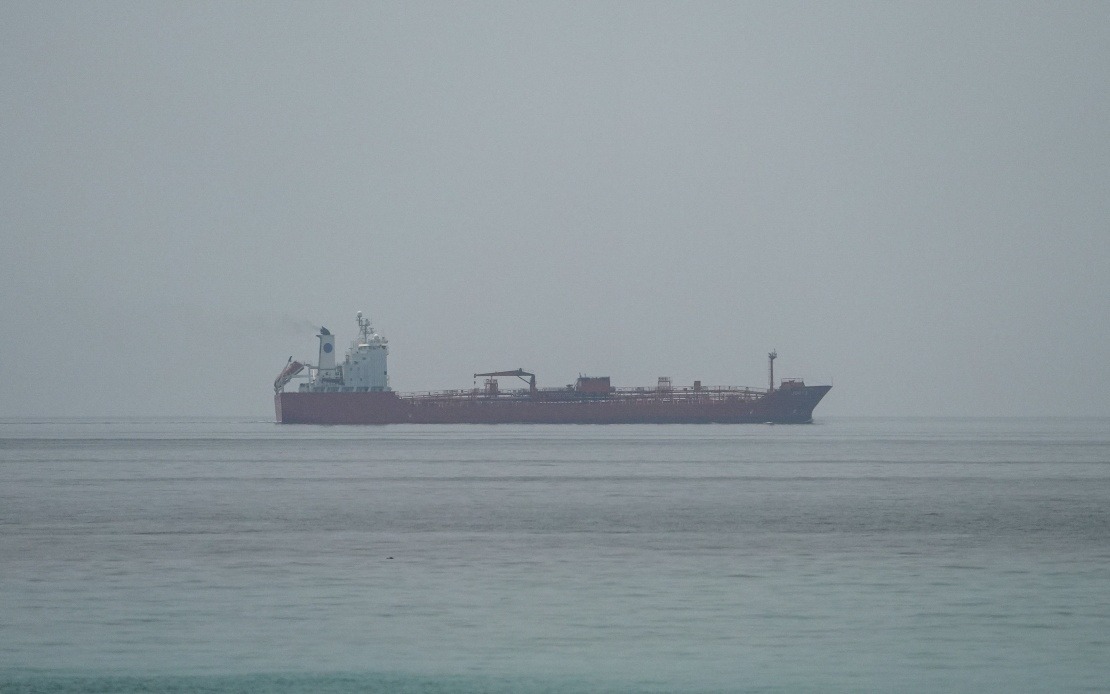
Oman has thrown its diplomatic weight behind the recently concluded memorandum of understanding between the United States and Iran, signalling the sultanate's commitment to regional de-escalation and the restoration of safe maritime commerce. Speaking at a Gulf Cooperation Council and US ministerial gathering held in Bahrain on Thursday, Omani Foreign Minister Badr Albusaidi outlined his country's principled stance on the agreement, emphasising that its successful implementation would prove instrumental in rebuilding peace across the Gulf region while safeguarding one of the world's most economically vital shipping corridors.
As a nation positioned directly on the Strait of Hormuz's coastline, Oman occupies a uniquely influential position in any discussion concerning maritime security and freedom of navigation in the region. Albusaidi articulated this geographical reality by underscoring Muscat's special responsibility in championing international initiatives designed to protect commercial shipping while adhering strictly to established maritime law and the UN Convention on the Law of the Sea. This framing positions Oman not merely as a passive observer of regional developments but as an active stakeholder with vested interests in ensuring stable conditions for international commerce.
A critical component of Oman's commitment involves its categorical assurance that no future toll or transit fee will be imposed on vessels traversing the strategically critical waterway. This pledge carries considerable weight, particularly given historical concerns that regional powers might seek to monetise control over this essential chokepoint. By explicitly renouncing such arrangements, Albusaidi sought to provide commercial reassurance to global shipping interests and petroleum markets that depend on unimpeded access through the strait, which annually witnesses the passage of roughly one-third of the world's seaborne traded oil.
The timing of Oman's statement arrives at a particularly sensitive moment in regional geopolitics. The broader Gulf region has endured months of dangerous military escalation, including coordinated American and Israeli strikes against Iranian targets in late February, which prompted Tehran to launch retaliatory missile and drone attacks across the Gulf. These tit-for-tat hostilities created a climate of heightened unpredictability and raised serious concerns about potential disruptions to global energy supplies should tensions spiral further into direct conflict involving major maritime powers.
The underlying accord that Oman now supports represents a significant diplomatic breakthrough in this fraught context. Described as a 14-point understanding, the arrangement was negotiated with crucial assistance from Pakistan and formally entered force on June 18 after receiving electronic signatures from both Iranian President Masoud Pezeshkian and US President Donald Trump. The comprehensive nature of the deal suggests an effort to address multiple dimensions of the confrontation rather than simply managing isolated incidents.
Among its substantive provisions, the agreement commits both parties to ceasing hostile actions across multiple theatres of regional conflict, with explicit mention of Lebanon as a flashpoint where tensions had reached dangerous levels. Additionally, the memorandum encompasses provisions specifically designed to restore normal traffic patterns through the Strait of Hormuz and to terminate the de facto American naval blockade that has constrained Iranian maritime operations. These elements directly touch upon the commercial interests that Oman has prioritised in its recent statements.
The GCC-US ministerial dialogue within which Oman made its announcement reflects an established pattern of intensive consultation between Washington and the six Gulf monarchies on matters of regional security architecture. These regular gatherings function as forums for coordinating responses to evolving threats, managing political relationships, and exploring avenues for economic cooperation. The choice to hold this particular meeting in Bahrain carried its own symbolic significance, reinforcing the centrality of Gulf affairs to American strategic thinking in the Indo-Pacific era.
For Malaysian readers and broader Southeast Asian audiences, Oman's diplomatic positioning carries instructive implications. The sultanate's emphasis on freedom of navigation and adherence to international maritime law echoes principles that have animated ASEAN's own approaches to disputed waters and regional stability. Malaysia's substantial dependence on energy imports and its position astride crucial shipping lanes create natural alignment with Oman's concern that unimpeded passage through the Strait of Hormuz remains guaranteed. Any disruption to energy flows through this corridor would inevitably ripple across global commodity markets and affect petrochemical prices throughout the region.
Oman's historical role as a mediator and bridge-builder between seemingly antagonistic regional powers deserves emphasis in this context. The sultanate has maintained diplomatic channels with both Iran and the Western powers in ways that other Gulf states have not, reflecting a more independent foreign policy stance within the GCC framework. This credibility as a neutral actor lends particular weight to its public support for the Iran-US understanding and its assurances regarding maritime access.
The successful implementation of the memorandum will ultimately depend on whether both Tehran and Washington demonstrate sufficient political will to honour their respective commitments despite domestic political pressures and scepticism from various constituencies. Oman's endorsement, while valuable, cannot guarantee compliance if either signatory experiences internal resistance to the accord. Nevertheless, by anchoring itself publicly to the agreement and extending security assurances regarding the Strait of Hormuz, Muscat has positioned itself as a reliable guardian of the international maritime order that Asian economies fundamentally depend upon.
Looking forward, the stability that such an arrangement might provide could redirect regional resources away from military competition and toward economic development initiatives that would benefit all Gulf states, including Oman. The sultanate's careful diplomacy and explicit guarantees regarding transit fees represent an attempt to build confidence among both traditional energy consumers and emerging markets that depend critically on uninterrupted Gulf access. Whether this latest diplomatic initiative can endure and produce durable regional transformation remains an open question, but Oman's commitment to supporting it demonstrates how smaller regional actors can exercise disproportionate influence when they occupy geographically strategic positions and cultivate reputations for reliability.

