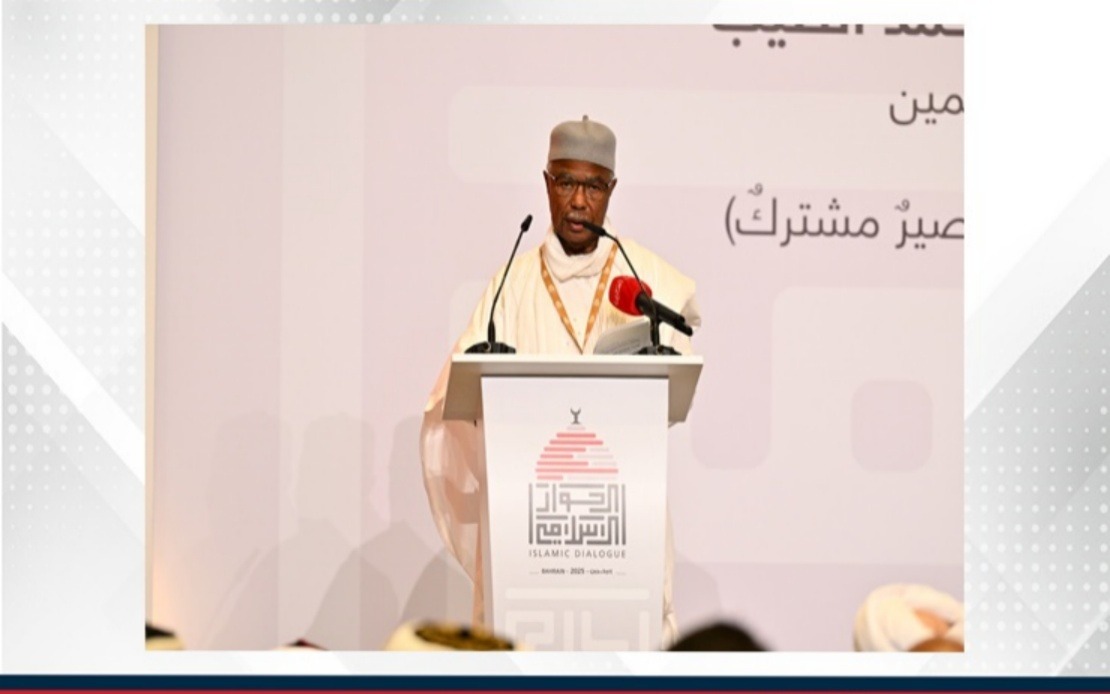
The Organisation of Islamic Cooperation has thrown its weight behind a sweeping defence pact forged between three major Muslim-majority nations, signalling broad institutional support for what officials are characterising as a transformative moment in regional cooperation. On August 8, OIC Secretary-General Sharein Brahim Taha issued a formal statement endorsing the Mecca Joint Defence Agreement, which was signed during a trilateral summit in the holy city bringing together Turkish President Recep Tayyip Erdogan, Saudi Crown Prince Mohammed bin Salman, and Pakistani Prime Minister Shehbaz Sharif at Al-Safa Palace.
Taha's endorsement carries weight beyond diplomatic courtesy. As head of the 57-member bloc representing nearly two billion Muslims worldwide, his framing of the agreement as a foundational pillar for regional security reflects the OIC's view that the pact addresses genuine vulnerabilities across the Islamic world. The Secretary-General specifically praised the three signatories for demonstrating a shared commitment to fortifying cooperative frameworks that extend beyond their immediate borders, emphasising that the initiative represents both collective ambition and practical acknowledgement of contemporary threats facing Muslim-majority states.
The mechanics of the agreement establish a mutual defence architecture with clear operational implications. Under its terms, an armed attack against any one of the three parties is treated as an attack against all three, creating what Turkish officials describe as a collective deterrence mechanism. This burden-sharing approach signals a departure from traditional bilateral security arrangements, instead constructing a triangular framework where Turkey, Saudi Arabia, and Pakistan commit to coordinating responses to aggression. The structure reflects lessons learned from recent regional instability and the recognition that no single nation can adequately address contemporary security challenges alone.
What makes this pact particularly significant for Southeast Asian observers is its potential to reshape power dynamics within the broader Muslim world and, by extension, influence the strategic calculations of nations with substantial Muslim populations. Malaysia, Indonesia, and Brunei maintain diplomatic relationships with all three signatories and have interests in stable energy markets centred on the Persian Gulf and Indian Ocean shipping lanes. The consolidation of defence cooperation among these three strategically positioned countries could affect regional security architectures from the Middle East to South Asia and beyond.
Taha explicitly positioned the agreement as emblematic of solidarity and constructive partnership among OIC member states, suggesting it should serve as a model for other member nations seeking to deepen cooperation. This framing carries implicit criticism of the fragmentation that has historically plagued the organisation, with members often pursuing conflicting geopolitical interests. By celebrating this trilateral arrangement, the OIC leadership appears to be encouraging similar initiatives that could gradually strengthen the institutional coherence of the Muslim world's political voice in international affairs.
The agreement's emphasis on regional and global peace represents an important rhetorical positioning, particularly given the three countries' varied security challenges and international relationships. Turkey faces ongoing tensions in Syria and the Eastern Mediterranean, Saudi Arabia contends with threats from Iran-backed actors and internal stability concerns, while Pakistan navigates the complex security environment of South Asia. The pact ostensibly targets no specific country, according to Turkish officials, yet its formation inevitably occurs within a geopolitical context shaped by competitions with non-aligned powers and regional rivals.
For Malaysia and Southeast Asia more broadly, the consolidation of a robust defence arrangement among these three nations carries both opportunities and considerations. The agreement could stabilise critical regions through which Malaysian trade flows and create predictability in security calculations affecting regional investments. Simultaneously, the pact demonstrates how medium and large powers within the Muslim world are increasingly formalising security partnerships, a trend that smaller nations must navigate carefully to protect their own interests and regional autonomy.
The timing of the agreement reflects broader patterns of realignment within the international system. Recent years have witnessed growing pragmatism among major Muslim-majority states regarding security partnerships, with previous tensions between Turkey and Saudi Arabia gradually thawing and both nations recognising complementary interests with Pakistan. This thaw represents maturation in regional diplomacy, where ideological differences yield to strategic calculation about shared vulnerabilities and collective prosperity.
OIC Secretary-General Taha's hope that the pact will contribute to achieving peace and prosperity extends beyond ceremonial optimism. The three nations collectively represent significant military capabilities, economic resources, and demographic weight. Their coordinated commitment to stability could meaningfully influence outcomes in contested regions, from the Arabian Peninsula to the Hindu Kush, and potentially create spillover effects that benefit the broader Muslim world through reduced conflict and increased cooperative momentum.
The agreement's emphasis on strengthening commitments to regional and global peace through burden-sharing suggests recognition that security challenges transcend borders and that unilateral responses prove insufficient. This philosophical foundation potentially opens pathways for involving other OIC members in expanded security architectures, though the current pact remains specifically trilateral. For regional observers including Malaysia, the agreement represents both a stabilising development and a reminder that major powers will continue consolidating influence through formal institutional arrangements.
Moving forward, the practical implementation of the Mecca Joint Defence Agreement will determine whether it becomes genuinely transformative or remains largely symbolic. How the three countries coordinate in responding to actual threats, whether they develop unified command structures or interoperable military capabilities, and how transparent they remain regarding their commitment will shape the agreement's lasting impact on regional security dynamics. The OIC's enthusiastic endorsement positions the organisation as supportive of such initiatives, potentially encouraging other member states to pursue similar arrangements that strengthen the institutional fabric of cooperation among Muslim-majority nations.

