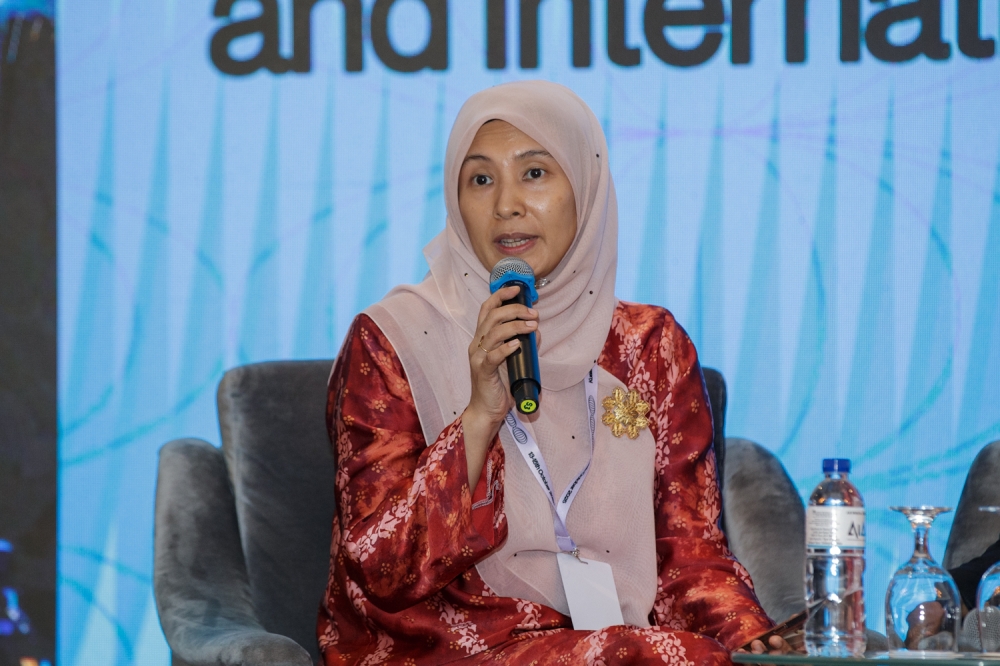
Nurul Izzah Anwar, long regarded as a prominent figure within the People's Justice Party (PKR), has decided to step back from her role as deputy president to concentrate on advancing her personal education. The announcement represents a significant shift in the political landscape of Malaysia's primary reformist party, which has been navigating substantial challenges since the collapse of the Pakatan Harapan government.
The daughter of PKR president Anwar Ibrahim cited the need to pursue further studies as the primary motivation behind her departure from the party's second-highest office. This decision comes after mounting speculation about her future trajectory within Malaysian politics, particularly following the reshuffling of party hierarchy over recent years. Her exit marks a moment of reflection for a party that has experienced considerable organisational upheaval and strategic repositioning since 2020.
Nurul Izzah's tenure as deputy president had placed her in a position to influence PKR's direction during a particularly turbulent period. Her responsibilities encompassed coordinating party initiatives, supporting the president's agenda, and representing the organisation in various public forums. The deputy presidency is traditionally considered a stepping stone for potential future leadership roles, making her resignation noteworthy beyond mere personnel changes.
The timing of this decision warrants attention, occurring as PKR continues consolidating its position within the current political coalition. The party has faced internal pressures balancing factional interests while maintaining relevance in a rapidly evolving Malaysian political environment. Nurul Izzah's decision to prioritise education suggests a deliberate choice to distance herself from these immediate partisan pressures, at least temporarily.
For Malaysian readers, this development carries implications regarding succession planning within major political parties. PKR, like other established political organisations, must grapple with questions of leadership renewal and the integration of younger party members into senior positions. Nurul Izzah's departure creates both a vacancy in the party hierarchy and an opportunity for other potential leaders to demonstrate capability and secure elevated positions.
The decision also reflects broader patterns observable across Southeast Asian politics, where children of prominent politicians often navigate complex relationships between family legacy, personal ambition, and individual development. Nurul Izzah's choice to pursue studies rather than consolidate power within the party structure demonstrates a refreshing approach to political dynasties, prioritising intellectual growth over immediate institutional advancement.
Educationally, Nurul Izzah's commitment suggests she recognises the value of deepening her knowledge and expertise outside the immediate demands of party management. This approach may enhance her long-term contribution to Malaysian politics, equipping her with additional qualifications and perspectives that could prove valuable for future engagement in public service or policy development.
The broader PKR party structure will now require reorganisation to fill the deputy presidential vacancy. This process presents an opportunity for the organisation to elevate individuals from its ranks, potentially diversifying perspectives within senior leadership and demonstrating commitment to institutional renewal beyond reliance on established family networks.
For the Pakatan Harapan coalition, Nurul Izzah's step back removes a potentially influential voice from daily political negotiations and decision-making processes. Her absence from the deputy president position may alter coalition dynamics, particularly regarding representation of different party factions and generational perspectives within the broader reform alliance.
Nurul Izzah's educational pursuit also resonates with evolving expectations regarding political leadership in Malaysia. Increasingly, both the public and within political parties themselves, there is recognition that contemporary governance requires technical expertise, specialised knowledge, and continuous intellectual engagement. Her willingness to invest time in formal education reflects understanding of these elevated expectations.
The long-term implications of this decision remain uncertain. Whether Nurul Izzah eventually returns to formal party positions following her studies, or pursues alternative paths combining professional expertise with political engagement, will depend on both her personal preferences and the political landscape during her absence. Her choice demonstrates that high-profile political figures can step back without entirely abandoning their potential to contribute meaningfully to Malaysian public life.
As Malaysian politics continues adapting to demographic changes and evolving citizen expectations, decisions like Nurul Izzah's demonstrate that political trajectories need not follow conventional templates of continuous power accumulation. Her emphasis on personal development over institutional positioning offers an alternative model for engagement, one that may ultimately strengthen both her individual capacity to contribute and the broader political culture's maturity in accepting varied pathways to public service.

