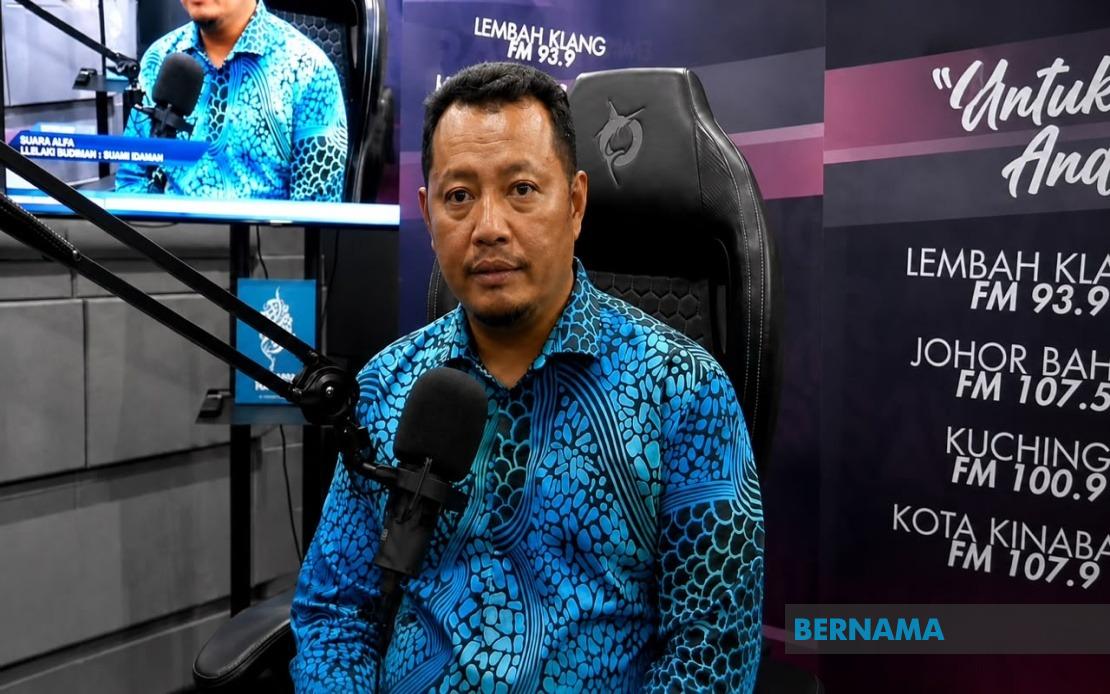
The cultivation of gentlemanly qualities must begin during a child's earliest years, with parents serving as the primary architects of character development, according to the National Population and Family Development Board (LPPKN). Speaking on Bernama Radio's Suara Alfa programme, Md Noh Saiman, chief assistant director of LPPKN's Counselling and Intervention Unit, underscored that the trajectory of a man's personal and social conduct is fundamentally shaped by the examples he witnesses at home throughout his formative years. This perspective aligns with growing recognition among Malaysian family development experts that childhood experiences establish deeply embedded patterns of behaviour and values that persist into adulthood.
The process of shaping responsible men extends far beyond teaching surface-level courtesies or romantic gestures, Md Noh clarified during the broadcast. Instead, true gentlemanly conduct encompasses a constellation of qualities including genuine integrity, unwavering honesty, and the capacity to assume obligations with humility rather than expectation of recognition. These foundational attributes, he explained, are not innate characteristics but rather learned behaviours acquired through consistent observation and reinforcement within the family environment. The distinction between performative politeness and authentic responsibility represents a crucial conceptual dividing line in contemporary discussions about masculinity across Southeast Asia, where traditional expectations continue to intersect with modern social dynamics.
Parenting methodology plays a pivotal role in determining whether children internalise these virtues, Md Noh stressed. The way parents communicate with their children, resolve conflicts, manage household responsibilities, and treat one another transmits powerful unspoken lessons that children absorb almost unconsciously. When youngsters observe their fathers actively participating in household management, demonstrating patience with family members, and sharing domestic burdens equitably, they develop fundamentally different templates for what adult male responsibility entails compared to those raised in more hierarchical family structures. This observation carries particular significance for Malaysia, where evolving gender dynamics in urban middle-class households increasingly challenge traditional role divisions.
One dimension of responsible masculinity that merits greater attention involves husbands providing substantive support to their spouses across multiple life domains. Md Noh highlighted that participating actively in childcare, engaging with household management, and sharing the invisible labour that sustains family life constitutes a meaningful expression of partnership rather than mere assistance. This collaborative approach generates downstream benefits that extend beyond the immediate family unit, as women freed from disproportionate domestic burdens gain enhanced capacity to pursue professional advancement and personal development with greater confidence and commitment. The economic and social implications of such family restructuring are substantial, particularly given Malaysia's aspirations toward increased female workforce participation and entrepreneurship.
The LPPKN's Lelaki Idaman Programme, which translates as the Ideal Men Programme, functions as both recognition mechanism and transformative platform. Rather than exclusively celebrating men who have already embodied these qualities, the initiative deliberately creates space for men committed to self-improvement and behavioural change. This inclusive framing acknowledges that masculinity remains malleable throughout adulthood and that receptiveness to constructive criticism constitutes a hallmark of genuine maturity. A man capable of hearing feedback without defensiveness and treating suggestions for improvement as growth opportunities demonstrates the emotional intelligence increasingly recognised as essential for healthy family relationships and effective workplace leadership.
Contemporary challenges to character development have intensified considerably in recent years due to the pervasive influence of digital platforms and social media ecosystems. Both men and women now navigate competing visions of ideal masculinity transmitted through entertainment media, celebrity culture, marketing narratives, and peer networks, creating a fragmented landscape of expectations and aspirations. Social media algorithms frequently amplify exaggerated or problematic representations of manhood, potentially distorting young people's understanding of what healthy masculine identity actually entails. Malaysia's substantial social media penetration means these influences operate with particular force, affecting millions of individuals who may lack robust family frameworks to contextualise or critique mediated messages about gender roles.
The relationship between individual male responsibility and broader family institutional stability constitutes an underappreciated nexus in contemporary policy discussions. Md Noh articulated a clear causal chain: men who cultivate responsibility and actively support their partners contribute meaningfully to family harmony and stability, which radiates outward to strengthen community cohesion and social resilience. Conversely, families characterised by unequal power distribution, poor communication, and absence of genuine partnership frequently experience higher conflict, which can normalise unhealthy relationship patterns for children and perpetuate cycles across generations. From a systemic perspective, investments in male character development therefore represent investments in family stability and, ultimately, in social fabric quality.
Malaysia's multi-ethnic and multi-religious context adds additional complexity to discussions about ideal masculinity, as cultural and religious traditions offer sometimes competing or complementary frameworks for understanding male roles and responsibilities. The LPPKN's focus on universal principles of honesty, responsibility, and supportive partnership attempts to identify common ground across these diverse frameworks while respecting particular cultural expressions. However, navigating these waters requires sophisticated engagement with questions about which aspects of traditional masculinity warrant preservation and which warrant transformation in response to contemporary realities.
The timing of this emphasis on responsible masculinity coincides with broader regional conversations about gender equality, family institution modernisation, and men's roles in more equitable societies. Countries across Southeast Asia are grappling with similar tensions between traditional expectations and contemporary aspirations, making the Malaysian experience instructive for the broader region. LPPKN's articulation of a vision of masculinity centred on responsibility, support, and continuous self-improvement offers a constructive counterpoint to more defensive or reactionary framings of changing gender dynamics that sometimes dominate public discourse.
Looking forward, the cultivation of gentlemanly responsibility requires sustained, multi-level efforts spanning family environments, educational institutions, media literacy initiatives, and cultural messaging. Schools, religious organisations, and community groups all possess potential leverage points for reinforcing these values and creating alternative narratives of masculine identity to those generated by commercial media and social platforms. The recognition that character formation begins in childhood and remains open to development throughout adulthood provides grounds for both prevention-oriented work with young people and support-oriented work with adults seeking to transform their relationship patterns and family dynamics.

