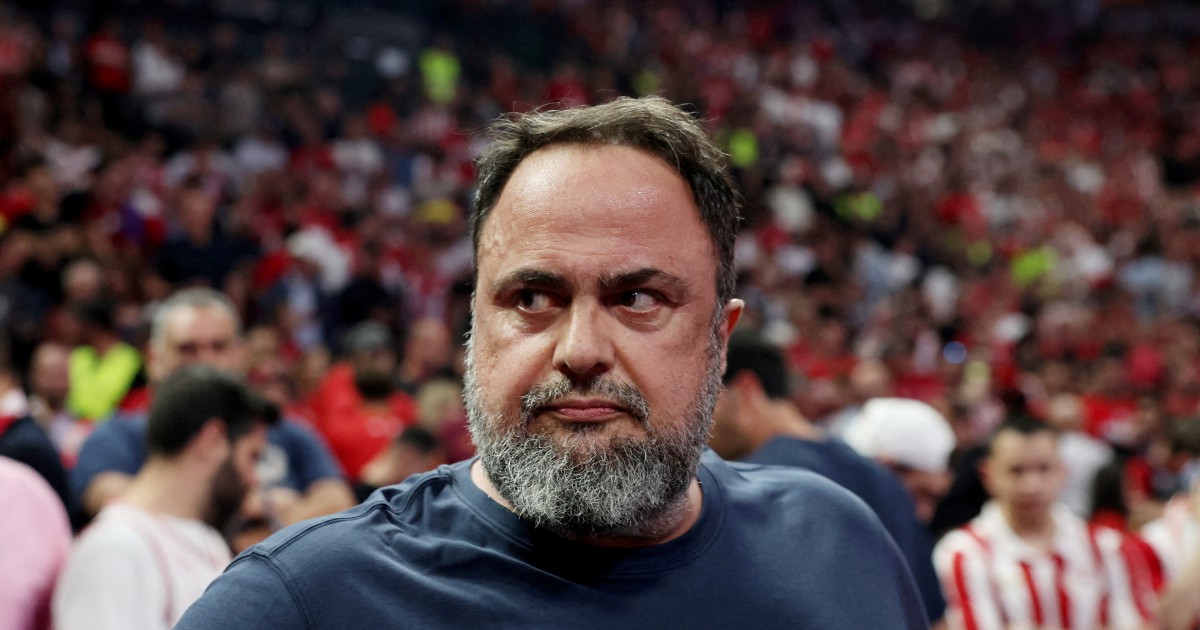
Nottingham Forest owner Evangelos Marinakis escalated a brewing conflict with Crystal Palace by filing a libel lawsuit at London's High Court on Monday, marking a dramatic intervention by a club executive into what typically remains supporter territory. The legal action, according to media reports, stems from a contentious banner unfurled by Crystal Palace fans during a match in the previous campaign, though the specific details of the banner's content have remained largely undisclosed in official court filings. This represents an uncommon move within English football's upper echelon, where club owners rarely pursue formal legal recourse over individual supporter demonstrations, preferring instead to allow their teams' on-field performances and statements through official channels to address disputes.
The lawsuit filed against Crystal Palace marks a significant escalation in what appears to be growing tension between the two Premier League clubs. While supporter banners have long been a feature of English football culture, with fan groups using match days as platforms to express their views on various matters, Marinakis's decision to pursue litigation suggests the content crossed boundaries he deemed defamatory to his character or business interests. The Greek shipping magnate, who acquired controlling interest in Nottingham Forest in 2017, has previously faced various controversies both within and outside the football industry, making the exact nature of the Palace supporters' message particularly significant to understanding his legal rationale.
The timing of the lawsuit is noteworthy, coming several months after the incident itself, indicating either a period of negotiation and escalation between the clubs or a deliberate strategic delay. Such legal proceedings typically involve extensive correspondence between legal representatives before formal court action begins, suggesting the dispute may have simmered for considerable time before reaching the point of formal libel litigation. This phased approach is common in complex cases where both parties seek to understand the strength of their respective positions before committing to the considerable expense and public scrutiny of High Court proceedings.
For Crystal Palace, the lawsuit presents a significant distraction and potential financial burden as the club navigates its own competitive ambitions within the Premier League. The south London club must now allocate resources to its legal defence while managing its football operations, a juggling act that few top-flight teams handle without consequence. The broader implications extend beyond the immediate parties, as other clubs with vociferous supporter bases may view this case as establishing precedent regarding the legal liability of institutions for actions undertaken by their fans.
The incident reflects broader tensions within modern football between fan expression and institutional responsibility. Premier League clubs technically have limited direct control over their supporters' actions once they enter stadiums, yet increasingly face questions about whether they bear some accountability for what their fan bases communicate through banners, chants, and other forms of expression. This gray area has become increasingly contentious as supporters seek platforms for various causes and grievances, while clubs and individuals connected to clubs navigate their own reputational concerns.
Libel law in England and Wales requires claimants to demonstrate that the disputed statements caused damage to their reputation, a relatively accessible threshold compared to some other jurisdictions. Marinakis will need to establish that the banner's content made specific factual claims about him that were false and damaging, rather than merely expressing opinion or criticism. This distinction has profound implications for the case's outcome and for the broader question of what constitutes actionable libel in the football context.
The case occurs against a backdrop of increasing legalistic approaches to football governance, where disputes that once would have been handled through federation bodies or informal negotiation increasingly enter the courts. This trend reflects the commercial stakes now involved in Premier League football, where reputational damage can carry tangible financial consequences through sponsorship relationships, broadcasting arrangements, and player recruitment. For Malaysian and Southeast Asian readers following English football, the case underscores how disputes between clubs extend beyond what happens on the pitch into complex legal and commercial territory.
Crystal Palace has not publicly detailed how it intends to respond to the lawsuit, though clubs in similar situations typically deny liability and argue either that statements made were opinion rather than fact, that they were substantially true, or that the club bears no responsibility for unsanctioned fan activity. The Palace response will likely emphasize that supporter groups operate independently and that the club cannot practically monitor or prevent every form of expression by its fan base.
The resolution of this case may establish important precedent regarding the circumstances under which supporter expression becomes actionable libel and whether clubs face institutional liability for fan activity. Such clarification would have ramifications across English football and potentially throughout the sport globally, influencing how clubs approach supporter communications and the latitude they permit fan groups in expressing themselves. Whether the case proceeds to full trial or reaches settlement remains to be determined, but either outcome will likely generate significant discussion about the boundaries between protected speech and defamatory statements within football's increasingly litigious environment.

