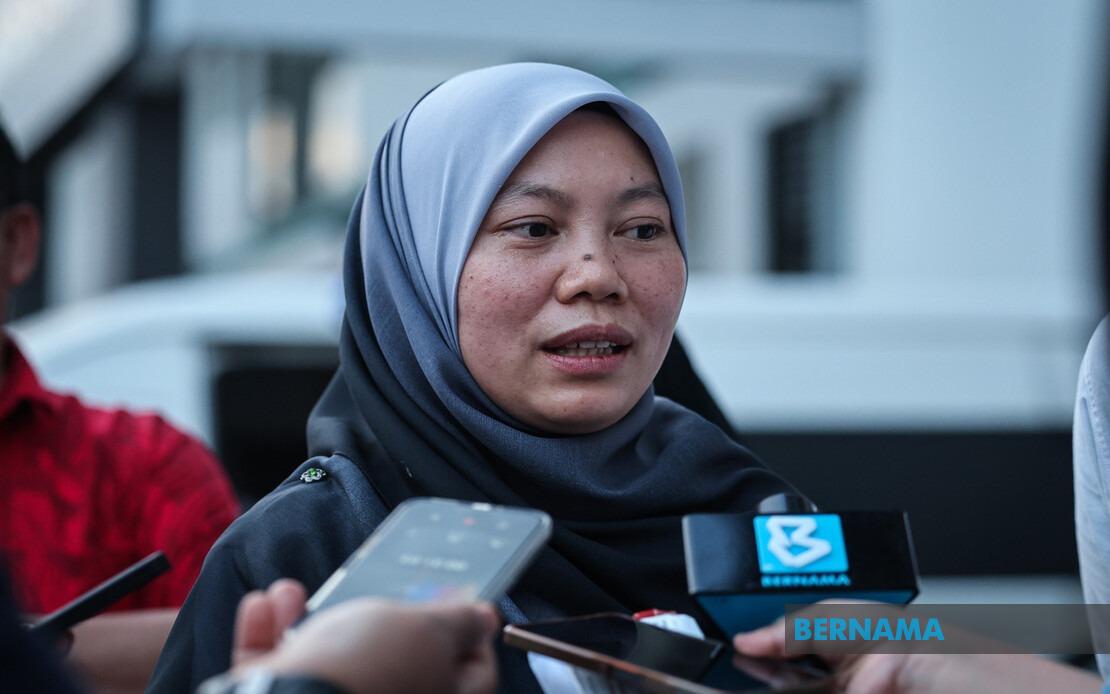
Nor Zulaila Abd Ghani, the Pakatan Harapan candidate contesting the Tiram state seat in the 16th Johor state election, has expressed optimism about her prospects following what she describes as an overwhelmingly positive reception during her campaign activities. Speaking after a meet-and-greet session with Entrepreneur Development and Cooperatives Minister Steven Sim Chee Keong at Ruang Kopi Kita in Kota Masai on July 5, Nor Zulaila credited her confidence to the strong support she has encountered while engaging directly with voters across her constituency.
The feedback Nor Zulaila has gathered from her ground visits has been consistently encouraging, a development she interprets as evidence of robust grassroots backing for Pakatan Harapan's platform in this particular contest. Whilst acknowledging that some critical commentary has surfaced online, particularly through Facebook and other social media channels, she emphasised that these negative remarks have remained largely confined to digital spaces rather than manifesting in face-to-face interactions with constituents. This distinction between online sentiment and on-the-ground reality is significant for understanding the actual political climate in Tiram during this campaign period.
Nor Zulaila's campaign strategy reflects a deliberate effort to connect with younger voters through unconventional and informal channels. Rather than relying solely on traditional political rallies and formal campaign events, she has positioned herself within community sports and recreational activities. Her approach includes participating alongside constituents in sepak takraw matches, futsal games, and snooker tournaments, creating opportunities for meaningful dialogue outside the formal political sphere. This grassroots engagement methodology signals an understanding that many younger Malaysians remain disengaged from conventional political messaging and may respond more positively to leaders who engage them in their everyday social spaces.
The candidate has identified youth scepticism towards the national political landscape as a barrier that requires careful navigation. She has adopted an educational approach in her interactions, emphasising to younger constituents the fundamental importance of exercising their voting rights despite whatever reservations they may harbour about the broader political system. Nor Zulaila's messaging to this demographic centres on the tangible reality that governmental policies and daily lifestyle factors are inextricably linked to electoral outcomes, creating a direct causal chain between voting participation and the quality of life voters ultimately experience.
Despite the generally positive campaign environment she describes, Nor Zulaila expressed frustration over recent vandalism targeting her campaign billboards. This incident represents a concerning departure from the respectful tone she says has otherwise characterised most interactions between competing candidates and their supporters. She has publicly called upon all contesting parties in the Tiram constituency to conduct their campaigns in a mature, harmonious, and genuinely healthy manner, implicitly warning against repeating such destructive tactics in the remaining days before the July 11 election.
The timing of Nor Zulaila's campaign push comes as voting approaches rapidly. Johor voters will exercise their franchise on July 11, with an early voting period scheduled for July 7, compressed into a brief window that places heightened importance on the final days of campaigning. For a candidate like Nor Zulaila, who appears to have built momentum through localised community engagement rather than broad media presence, this condensed timeline requires efficient deployment of remaining campaign resources to consolidate the support she claims to have developed.
Pakatan Harapan's broader performance in Johor carries particular significance within Malaysian politics given the state's historical importance and demographic weight. The coalition's performance in individual contests like Tiram will contribute to the overall narrative of whether opposition forces can maintain or expand their foothold in a state where political competition has intensified following the 2020 general election realignment. Nor Zulaila's apparent success in mobilising grassroots support through community-based engagement offers insights into how opposition parties are adapting their organisational strategies in the post-2020 political environment.
The candidate's emphasis on youth engagement through sports and recreational activities reflects broader trends in Southeast Asian politics where traditional campaign methods are proving less effective with younger demographics. Her strategy of embedding political discourse within the social and recreational contexts where young people naturally congregate demonstrates an awareness that political participation cannot be divorced from the lived experiences and social preferences of the electorate. This approach may offer lessons for other opposition candidates across Malaysia seeking to increase engagement with voters aged 18-40 who statistically participate in electoral processes at lower rates than older cohorts.
Nor Zulaila's campaign narrative, built around direct community interaction and youth mobilisation, positions her as representative of a newer generation of political figures attempting to reshape how opposition politics operates at the state level. Her willingness to engage in informal sporting activities alongside constituents, rather than maintaining the traditional hierarchical distance between politicians and voters, signals a deliberate repositioning of what political accessibility means in contemporary Malaysian discourse. Whether this approach translates into actual electoral support will be determined when Johor voters cast their ballots on July 11, providing concrete data on whether grassroots engagement and community sports participation genuinely constitute effective campaign methodology or whether more traditional political factors continue to dominate electoral outcomes in the state.

