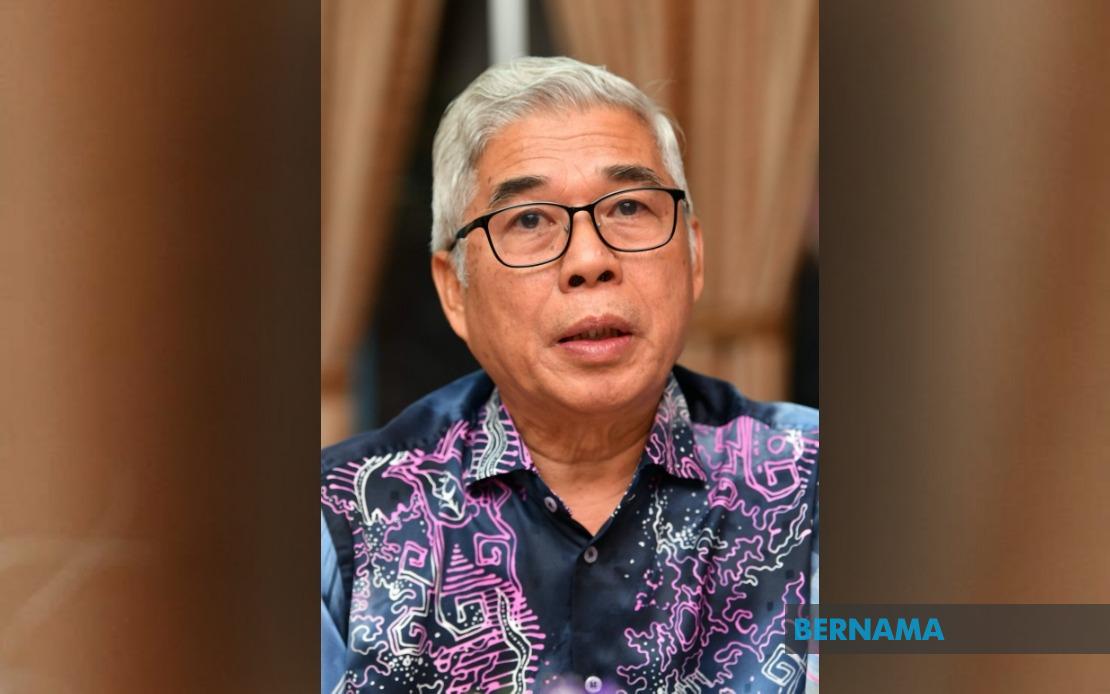
Pasir Gudang Member of Parliament Hassan Abdul Karim has made a public appeal for Prime Minister Datuk Seri Anwar Ibrahim to resist the temptation of calling a snap election, instead allowing the MADANI Government to fulfil its complete term and permit its policy agenda to produce measurable outcomes for the nation.
Addressing what he characterised as an emotional moment for PKR following disappointing results in recent state elections, Hassan issued an unusually candid message to his party leadership and rank-and-file members. His comments reflect underlying tensions within the coalition following electoral setbacks in Sabah, Johor, and Negeri Sembilan—results that observers have suggested might prompt early dissolution of Parliament ahead of the constitutionally mandated deadline. Hassan's intervention suggests that at least some coalition members harbour concerns about rushing to the polls while momentum remains unfavourable.
The Pasir Gudang legislator argues that the intervening period between now and the natural expiration of the government's mandate—anticipated to fall between late 2027 and early 2028—should be deployed strategically to strengthen Malaysia's economic fundamentals. Rather than viewing this window as a liability, Hassan contends that allowing time for economic policies to generate visible improvements would substantially enhance both government credibility and the coalition's electoral prospects when voters finally return to the ballot box. This represents a pragmatic assessment that early elections, potentially driven by short-term political calculations, could disadvantage Pakatan Harapan in the longer term.
The 12 to 18 months immediately ahead, according to Hassan's perspective, present a critical opportunity to demonstrate governance competence through concrete economic achievements. He specifically identifies attracting foreign direct investment and strengthening the broader economy as priorities that require sustained effort rather than abbreviated timelines. By framing the question in these terms, Hassan is essentially arguing that political capital should be expended on delivering measurable prosperity to ordinary Malaysians rather than consumed in electoral campaigns. For a government that campaigned on reform and institutional renewal, this argument carries particular weight.
Hassan's public statement also serves a secondary function within PKR itself—counselling party members and supporters against despair or hasty strategic shifts in response to recent electoral disappointments. His emphasis that PKR should undertake careful assessment of what went wrong in state contests, rather than panic-driven decision-making, suggests awareness that morale within the party may have suffered. By characterising the party as comprising fighters and reformers capable of both victory and graceful defeat, Hassan attempts to reframe recent losses as temporary setbacks within a longer struggle for institutional transformation.
The timing of Hassan's intervention merits consideration. Recent state elections have generated speculation in Malaysian political circles about whether the government possesses sufficient confidence in its electoral standing to risk a general election. Comments from senior figures questioning the wisdom of immediate dissolution might indicate that such calculations are actively occurring within government and coalition leadership. Hassan's public plea to Anwar Ibrahim represents an attempt to influence those deliberations, injecting a counterargument based on economic performance metrics rather than electoral probability forecasting.
For Southeast Asian observers monitoring Malaysia's political trajectory, Hassan's intervention illustrates the complex calculus that governing coalitions must navigate when managing electoral cycles. The tension between maintaining momentum following electoral victories and consolidating governance achievements remains a persistent challenge across the region. In Malaysia's case, this is further complicated by the coalition's need to demonstrate that its reformist agenda—the primary basis for its 2022 election victory—is translating into substantive policy outcomes rather than merely rhetorical commitments.
The reference to public confidence in economic policy performance raises important questions about how Malaysians are experiencing the government's economic stewardship. If Hassan's argument carries weight within coalition circles, it suggests that internal polling or sentiment analysis indicates that tangible improvements in living standards, investment inflows, or employment conditions remain insufficiently visible to the electorate. This diagnosis, if accurate, would counsel patience and policy deepening rather than electoral acceleration. Conversely, it might suggest anxiety within the coalition that current economic trajectories are not yet sufficiently favourable to justify risking voter judgment.
The Malaysian context also involves constitutional and institutional constraints that shape electoral timing decisions. Unlike Westminster systems with purely discretionary dissolution powers, Malaysia's constitutional framework contains specific provisions governing parliamentary terms and electoral administration. Hassan's reference to completion of the mandate "by the end of 2027 or early 2028" reflects the natural expiration point of the current government's constitutional authority. This technical reality provides a boundary condition within which political calculations must operate, distinguishing Malaysia's situation from polities where governments possess entirely unfettered discretion over electoral timing.
For investors and business observers monitoring Malaysia's medium-term outlook, Hassan's statement carries implications regarding political stability and policy continuity. A government committed to completing its full term, rather than potentially fracturing under electoral pressure within the coalition, may offer greater predictability for long-term investment decisions. His explicit advocacy for using remaining time to attract foreign direct investment and strengthen macroeconomic conditions suggests that at least this segment of the political establishment recognises the linkage between governmental durability and investor confidence.
The broader significance of Hassan's intervention extends beyond immediate electoral speculation to touch on governance philosophy. By urging delay rather than acceleration, and by calling for consolidation of achievements rather than risk-taking, Hassan articulates a model of political leadership emphasising substance over timing. In a region where governments sometimes face pressure to deliver rapid, visible results or risk loss of electoral support, this position reflects a countervailing argument for allowing policies adequate time to mature and generate effects that voters can directly experience in their own lives and communities.
As Malaysia navigates the remainder of the MADANI Government's term, Hassan's voice joins a larger conversation within the coalition about optimal sequencing of electoral and policy agendas. Whether his counsel prevails with Prime Minister Anwar Ibrahim and other senior leaders will substantially shape Malaysia's political calendar over the coming months and years, with implications extending to regional stability and investor perceptions of governance quality.

