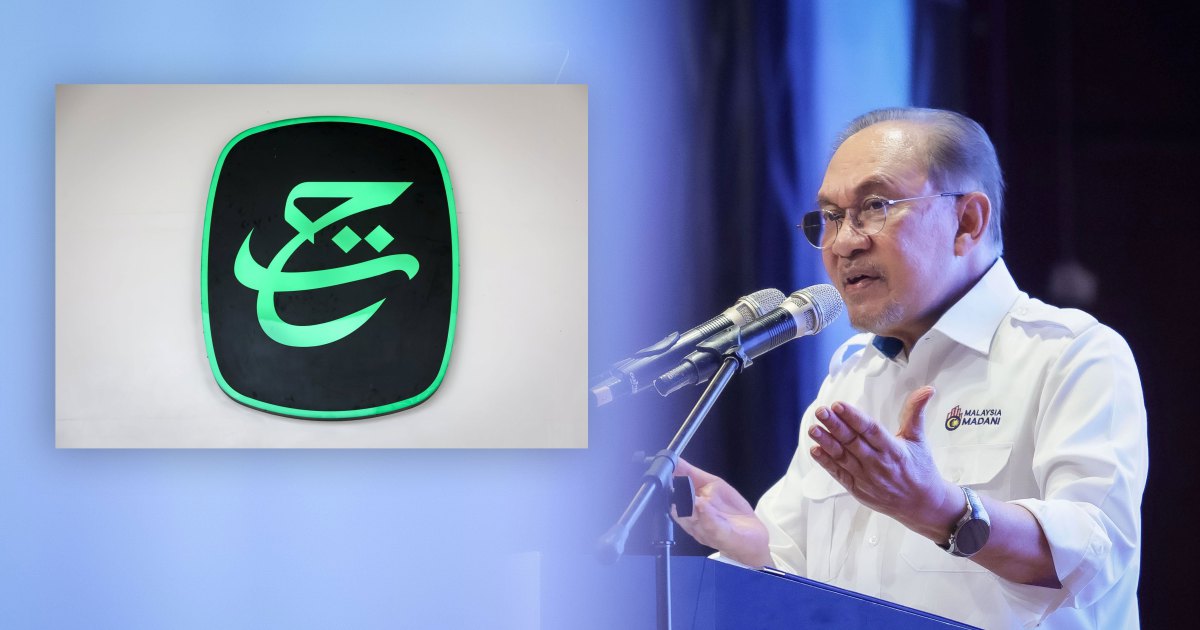
Prime Minister Anwar Ibrahim has made clear that accountability will not be evaded by those involved in the cascading financial losses and alleged misuse of power at Lembaga Tabung Haji, the Islamic pilgrimage savings fund. Speaking in Jelebu, Anwar signalled that investigations must proceed without fear or favour, with prosecutions to follow wherever the evidence base supports legal action. The statement represents a firm commitment to transparency within state institutions and signals that no official position will shield individuals from scrutiny over their role in TH's troubles.
The Lembaga Tabung Haji episode has become one of Malaysia's most significant governance crises in recent years, involving billions in ringgit losses and raising fundamental questions about oversight, risk management, and leadership accountability within a body managing the savings of millions of Malaysian Muslims preparing for the Hajj pilgrimage. The fund's difficulties emerged publicly after years of mounting losses, leading to capital injections from government coffers to prevent collapse. The scale of the financial deterioration has fuelled public anger and demands for comprehensive investigations into how the institution's management allowed such substantial erosion of pilgrim assets.
The emphasis on investigation preceding prosecution reflects Malaysia's constitutional framework, where formal charges require evidence capable of sustaining conviction in court. By publicly committing to this sequence, Anwar has positioned the government as committed to due process while simultaneously leaving no ambiguity that culpability—if established—will result in legal consequences. This dual messaging addresses both the rule of law and public demands for justice, a delicate balance in cases involving potential wrongdoing by senior figures who may command institutional loyalty or political protection.
TH's governance failures have extended across multiple dimensions, encompassing investment decisions, financial controls, and reporting practices. The fund's exposure to problematic ventures and its approach to capital deployment suggest systematic weaknesses in risk assessment and board-level oversight. These institutional flaws did not emerge suddenly but accumulated over extended periods, raising questions about which officials bore decision-making responsibility and at what points intervention could have arrested the deterioration. Investigators will need to distinguish between genuine business misjudgement and actionable breaches of fiduciary duty or regulatory requirements.
For Malaysian pilgrims, many of whom belong to lower and middle-income households, TH losses have immediate personal consequences. Monthly contributions that were meant to grow steadily ahead of the Hajj journey have been depleted by poor returns and financial mismanagement. The psychological and financial impact extends beyond the fund itself, affecting family budgeting and life planning for millions who depend on TH's integrity. This personal dimension adds urgency to Anwar's accountability pledges, as public confidence in Islamic financial institutions and state-managed savings schemes depends on demonstrated consequences for misconduct.
The investigation and potential prosecution framework must also navigate the complex intersection of corporate governance, Islamic finance principles, and Malaysian administrative law. TH operates as a statutory body with unique obligations to its contributors, who are not conventional investors but Muslims fulfilling a religious obligation with government-facilitated savings. Any prosecutorial strategy must be tailored to the specific legal regime governing TH and the particular nature of its obligations to pilgrims. This complexity means investigations require specialised expertise and careful legal construction of charges that accurately reflect the nature of alleged misconduct.
Anwar's public stance signals to law enforcement and regulatory agencies that political obstacles will not impede investigations. In Malaysian contexts where influence, patronage networks, and hierarchical relationships can complicate accountability processes, prime ministerial endorsement of investigation and prosecution carries institutional weight. It serves as a restraint against pressure to shelve inquiries or offer deals that would effectively shield officials from consequences. The political authority backing investigation efforts substantially increases the likelihood that findings will translate into formal charges and court proceedings.
Regionally, Malaysia's handling of this case has broader implications for governance standards in Southeast Asia. Islamic finance sectors across the region have expanded significantly, with pilgrimage funds, takaful insurance, and Islamic banks becoming major players. How Malaysia responds to TH's failures will set precedents for accountability standards within Islamic financial institutions throughout Southeast Asia. A robust prosecutorial response would reinforce investor confidence in Islamic finance governance, while inadequate accountability could create systemic vulnerabilities and undermine trust across the region.
The timeline for investigation and prosecution remains unclear, but Anwar's public commitment suggests that cases are already advancing through preliminary investigative phases. Determining criminal liability requires establishing both the actionable conduct and the mental element—whether officials acted with intentional disregard, gross negligence, or corrupt purpose. These elements take time to establish through documentary evidence, financial analysis, and witness testimony. The investigation must also identify which officials bore responsibility for which decisions, as corporate structures often diffuse accountability unless patterns of knowable conduct can be demonstrated against specific individuals.
Looking forward, Anwar's accountability pledge must be accompanied by institutional reforms preventing recurrence. Stronger independent oversight, enhanced financial controls, diversified investment practices, and clearer whistleblower protections would address systemic vulnerabilities that permitted losses to accumulate unchecked. Prosecutions alone do not restore confidence; pilgrims require evidence that structural safeguards now prevent similar failures. The credibility of accountability efforts will be measured not only by courtroom convictions but by demonstrable changes in how TH operates and how government agencies oversee its activities.

