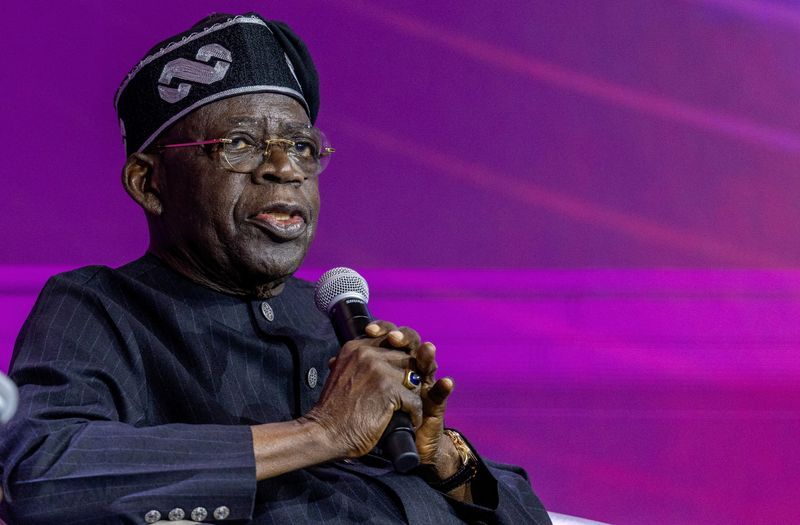
President Bola Tinubu has ordered Nigeria's Federal Competition and Consumer Protection Commission to investigate leading technology companies over their treatment of news content and alleged anti-competitive conduct. The directive comes after complaints lodged by the Nigerian Press Organisation, a coalition representing newspaper proprietors, journalists' unions, broadcasters and digital publishers across the country. The investigation targets Meta, Alphabet, X and generative artificial intelligence platforms currently operating in Nigeria, signalling a significant shift in how the West African nation intends to regulate the digital economy.
The scope of the inquiry is notably comprehensive, examining multiple dimensions of how technology platforms interact with news content and market competition. Regulators will scrutinise allegations of market dominance by these firms, probe their competitive practices, and investigate claims of unauthorised extraction and commercial exploitation of copyrighted news and broadcast material. Particularly significant is the focus on whether journalistic content has been appropriated without permission to train artificial intelligence models—a practice increasingly common globally but rarely addressed directly by African regulators until now.
The FCCPC has clarified that the investigation represents a preliminary examination rather than a presumption of guilt. All parties under investigation will be afforded an opportunity to present their perspectives and evidence before any determinations are made. This procedural transparency is important, particularly given the international stature of the companies involved and the potential for the inquiry to set precedent across the continent. Neither Alphabet, Meta nor X has publicly responded to inquiries about their participation in the investigation.
Nigeria's move reflects a broader global pattern of regulatory scrutiny into how technology platforms profit from journalism without compensating creators. Multiple jurisdictions have begun questioning whether search engines, social networks and AI systems should pay publishers for content that attracts users, generates advertising revenue or trains machine learning models. These are not merely academic questions—they strike at the heart of how digital platforms have fundamentally restructured the economics of news production and distribution.
The investigation represents a significant test of Nigeria's regulatory capacity and willingness to confront multinational corporations whose digital services have become embedded in African society. The outcome could establish important precedents for how African nations approach technology regulation, particularly at a moment when investment in AI infrastructure and adoption is accelerating across the continent. Nigeria's approach may influence how other regional economies evaluate their own policies toward global digital platforms.
International precedents suggest the Nigerian inquiry could yield substantial results. South Africa's competition authority secured meaningful concessions from Google and YouTube following its own market inquiry into digital platforms and news media. The agreement included a 688 million rand (approximately 42 million US dollars) media support package designed to assist publishers and content creators. This outcome demonstrates that African regulators can successfully negotiate with global technology firms when investigations are structured methodically and with clear objectives.
European authorities have similarly pursued aggressive enforcement against technology companies over news content practices. France imposed a 500 million euro penalty on Google in 2021 following the company's failures to negotiate properly with news publishers and for breaches related partly to the use of publisher material in artificial intelligence systems. These enforcement actions underscore a conviction across multiple continents that technology platforms cannot indefinitely extract value from journalistic work without establishing reciprocal economic relationships with content creators.
Comparable frameworks have emerged in Commonwealth jurisdictions. Both Australia and Canada have implemented legislative bargaining structures that compel technology companies to negotiate with publishers over content use and compensation. These frameworks have successfully produced payment agreements between platforms and news organisations, creating templates that other countries, including Nigeria, might consider adopting should the investigation reveal systematic unfair practices.
For Malaysian readers and Southeast Asian observers, Nigeria's investigation carries particular relevance given the region's substantial technology user base and growing concern about platform dominance. Southeast Asia's news industry faces similar pressures as African publishers: technology platforms control distribution channels and advertising markets while paying minimal compensation to news creators. Malaysia, Indonesia, the Philippines and other countries in the region may closely monitor Nigeria's regulatory approach as a potential model for their own digital economy governance.
The investigation also reflects shifting power dynamics between African nations and global technology corporations. Previously, regulatory initiatives in developing economies were often dismissed or ignored by multinational platforms, but successful enforcement actions by South Africa have established that African regulators possess both authority and determination to enforce outcomes. Nigeria's formal investigation suggests a maturation of regulatory capacity across the continent and a growing willingness to assert sovereignty over digital markets operating within national borders.
The underlying tension at the centre of Nigeria's inquiry mirrors struggles emerging everywhere technology platforms operate: how should societies balance innovation and platform growth against fair treatment of traditional content creators, particularly journalists whose work is essential for democratic accountability. The Nigerian investigation will examine whether the current arrangement—where platforms profit enormously from news content while publishers struggle financially—represents a sustainable or equitable equilibrium.
As the investigation proceeds, technology companies operating in Nigeria will likely face mounting pressure to demonstrate compliance with local expectations regarding news content treatment. The transparency of the FCCPC's process, combined with international precedents for significant penalties and concessions, suggests that outcomes from this inquiry could be consequential not just for Nigeria but for how technology regulation develops across Africa and beyond. The investigation may ultimately reshape how global platforms value and compensate journalism in markets where traditional media remains integral to public discourse.

