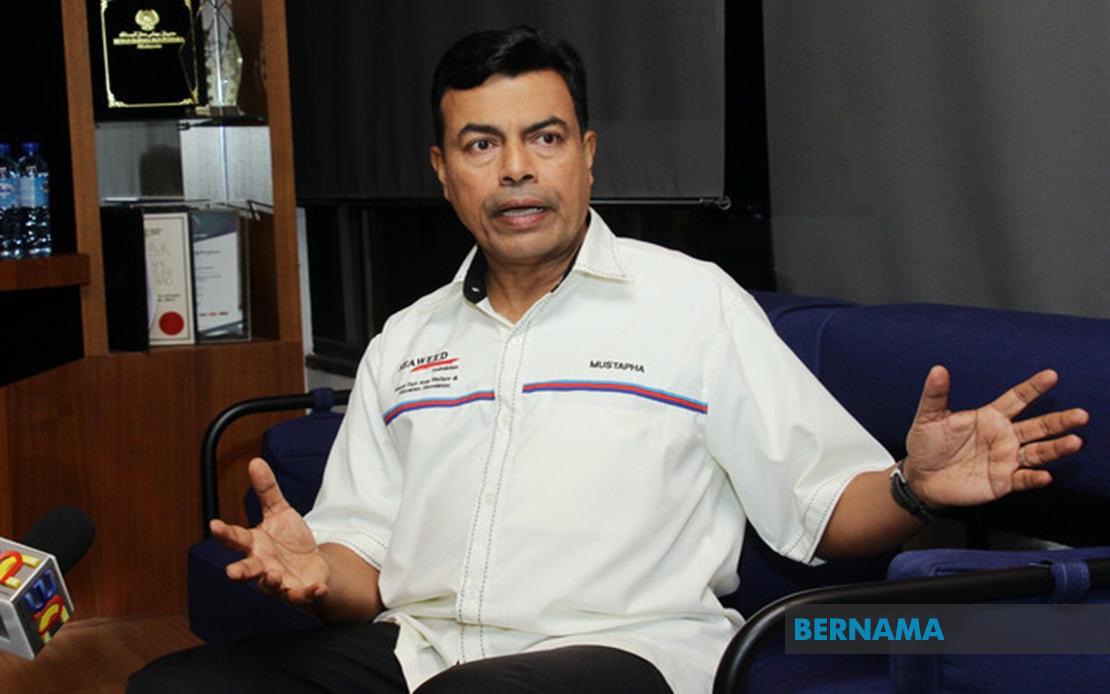
The Ministry of Education should move quickly to establish a specialised oversight body tasked with protecting student safety and welfare in schools, according to leaders of a prominent regional educational foundation. The proposal, put forward by Datuk Dr Mustapha Ahmad Marican, chairman of the South East Asia Welfare and Education Foundation (SEAWEED), addresses mounting concerns about the adequacy of current mechanisms for managing discipline, bullying, and violent incidents within Malaysia's education system. Rather than placing this burden entirely on schools and teaching staff, such an agency could operate as a dedicated entity with clear statutory authority and operational independence.
The suggestion carries particular weight given that similar institutional arrangements already function effectively in other developed nations. The United Kingdom and Australia have both established dedicated agencies and legal frameworks specifically designed to monitor and enforce student safety standards across their respective school systems. These models demonstrate that a systematic, specialised approach to student protection can deliver measurable improvements in school environments and student wellbeing. Malaysia could benefit from studying these international examples and adapting them to suit the local context, where educational infrastructure, student demographics, and specific safety challenges may differ from Commonwealth nations.
Currently, schools shoulder substantial responsibility for managing student disciplinary matters, wellness concerns, and safety protocols often with limited specialised resources or external oversight. This arrangement places considerable strain on teachers and administrators who must balance their primary instructional duties with increasingly complex safeguarding responsibilities. By establishing a dedicated body, either housed within the Ministry of Education's structure or operating as an independent agency with government support, authorities could distribute these responsibilities more effectively and create clearer accountability pathways. Such an agency would allow schools to focus primarily on academic delivery while specialists handle safety monitoring, investigation of serious incidents, and welfare coordination.
The persistence and severity of bullying incidents in Malaysian schools underscore why this institutional innovation matters urgently. Cases resulting in physical injury must be elevated beyond routine school discipline and treated as serious matters warranting comprehensive intervention. Bullying creates cascading harms extending far beyond immediate victims: it damages student mental health, disrupts learning environments, diminishes educational outcomes, and can escalate into dangerous escalations involving weapons or gang involvement. An independent agency with investigative powers and coordinating authority could standardise responses to bullying reports, ensure vulnerable students receive appropriate support services, and hold schools accountable for implementing preventive measures.
Prevention strategies deserve equal emphasis alongside investigation and response protocols. Dr Mustapha proposed that comprehensive research into bullying patterns should examine the psychological dimensions of student behaviour, identifying at-risk individuals and environmental factors that enable harmful conduct. Understanding the mental health components of bullying—including aggressor psychology, victim trauma, and peer dynamics—would enable schools and support services to intervene earlier and more effectively. Rather than viewing bullying as an isolated disciplinary problem, systemic analysis reveals it as a complex social-psychological phenomenon requiring specialised expertise to address.
Physical security measures form another critical pillar of comprehensive school safety strategy. The proposal to implement regular bag inspections reflects legitimate concerns about dangerous items being introduced into school premises. Weapons such as knives and other sharp instruments pose genuine threats to student safety and can transform routine conflicts into violent incidents with tragic consequences. However, such security procedures must be conducted thoughtfully, respecting student privacy and dignity while effectively preventing contraband. Clear policies, transparent procedures, and staff training ensure that inspections serve protective purposes without creating a prison-like environment that undermines the educational mission of schools.
The socioeconomic and social dimensions of school safety in Malaysia warrant consideration as well. Students experiencing poverty, family instability, or community violence may arrive at school already traumatised or carrying survival strategies developed in dangerous environments. An agency focused on student welfare could facilitate connections between affected students and mental health services, social workers, and community resources. School-based interventions alone cannot address systemic factors driving violence and bullying among young people; effective student protection requires coordination across education, health, law enforcement, and social welfare sectors.
Gangsterism specifically represents an escalating threat to school safety that extends beyond traditional bullying dynamics. When criminal organisations recruit students or use schools as territory for gang activities, the problem transcends institutional capacity and demands specialised law enforcement coordination alongside educational responses. A dedicated safety agency could serve as a coordinating hub between school administrators, police, and community organisations tackling gang recruitment and gang-related violence affecting youth. Clear reporting mechanisms and professional investigation protocols protect student informants while disrupting criminal networks before they establish deep roots in school communities.
Implementing such an agency would require careful consideration of governance structures, funding mechanisms, and operational scope. Should the body report directly to the Education Ministry, the Prime Minister's office, or operate with independent statutory authority? What powers should investigators possess—can they interview students without parental presence, compel school records, or recommend criminal charges? How should the agency balance protective intervention with respect for school autonomy and family privacy? These structural questions merit thorough public consultation before legislation proceeds.
The timeline for establishing this institutional framework deserves urgency given ongoing incidents affecting student safety. However, hasty implementation without proper planning risks creating bureaucratic duplication or ineffective mandates. A phased approach beginning with a task force to design detailed proposals, consult stakeholders, and draft legislative frameworks could accelerate progress while ensuring quality. Pilot programmes in selected states could test operational models before nationwide rollout, allowing refinement based on practical experience.
International cooperation and knowledge transfer would strengthen Malaysian efforts considerably. Delegations could study how the UK's safeguarding frameworks and Australia's comprehensive approaches function in practice, identifying elements adaptable to Malaysian circumstances. Academic researchers studying school safety in Southeast Asian contexts could inform policy development, ensuring strategies address regional dynamics rather than simply importing foreign models wholesale.
The broader significance of this proposal extends beyond immediate school safety improvements to encompass Malaysia's national development trajectory. Young people are foundational assets for economic competitiveness, social cohesion, and democratic participation. Institutions that protect student welfare and ensure safe learning environments enable talent development, reduce trauma-related educational loss, and foster the social trust necessary for community resilience. In this light, establishing a dedicated student safety agency represents not merely administrative housekeeping but strategic national investment in human capital.

