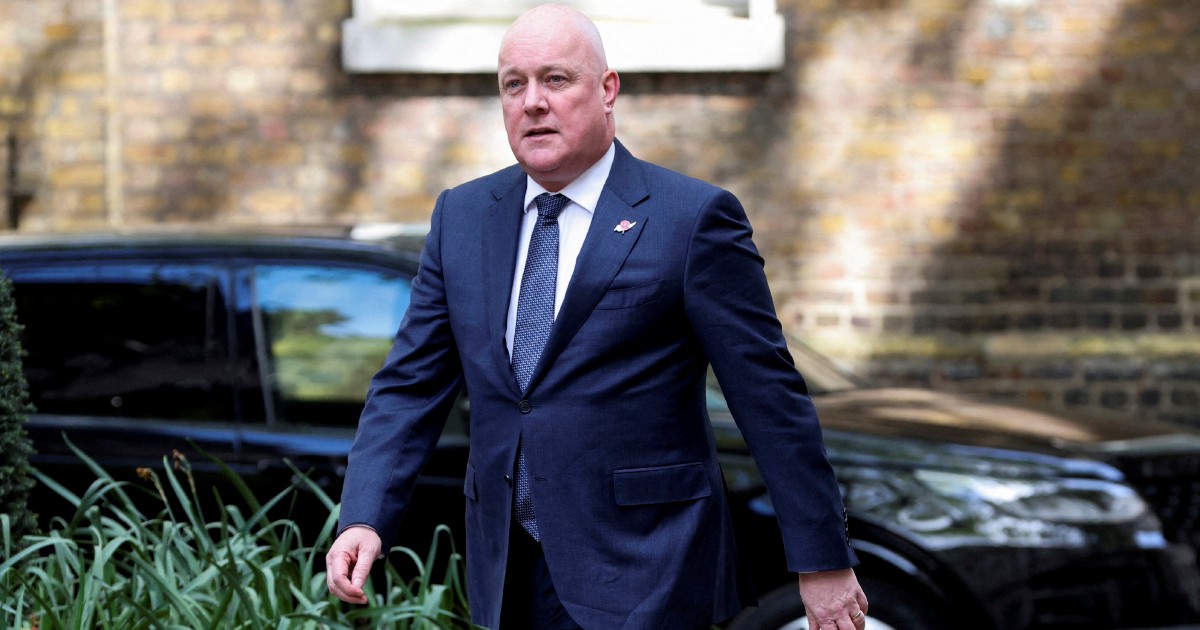
New Zealand Prime Minister Christopher Luxon has declared the backing of his ruling National Party after successfully defending his leadership position against an internal challenge, a development that arrives during a critical phase of the electoral cycle with a general election less than three months away. The matter was resolved on Wednesday with Luxon asserting that he maintains the "full support" of the party caucus, a statement that carries particular significance given the proximity of voters heading to the polls to determine the country's next government.
Leadership challenges in Westminster-style parliamentary systems typically emerge when significant sections of a governing party lose confidence in their leader's ability to guide the party to electoral victory or govern effectively. The timing of such a move, coming so late in a political cycle, underscores the intensity of concerns that prompted dissenting colleagues to initiate the challenge. In the New Zealand context, where political fortunes can shift rapidly in response to economic conditions, policy missteps, or leadership questions, the decision to challenge Luxon revealed internal fractures within the National Party's ranks.
The challenge itself represents a moment of vulnerability for any sitting prime minister, regardless of whether it succeeds or fails. The mere fact that party members felt compelled to question Luxon's continued leadership indicates underlying anxieties about electoral prospects or policy direction. Such internal discord can damage a government's public image and create an impression of disunity during a period when the electorate is beginning to pay closer attention to political campaigns and policy platforms. The challenge therefore served as both a test of Luxon's support and a potential liability depending on how the wider public interpreted the party's internal dynamics.
For Malaysian and Southeast Asian observers, the episode illustrates the precarious position that even sitting prime ministers can find themselves in within Westminster democracies. Unlike systems with fixed executive presidencies, prime ministers in parliamentary regimes remain dependent upon maintaining the confidence of their party's parliamentary representatives. This creates an ongoing mechanism through which backbench dissent can be translated into formal challenges to leadership. The ability to weather such challenges often determines whether a leader can project strength and continuity into an election campaign or whether they appear diminished and vulnerable.
Luxon's retention of party support suggests that despite whatever concerns prompted the challenge, a sufficient majority of National Party members or MPs remain persuaded that he offers the best pathway to electoral success. This backing becomes the foundation upon which he can now attempt to rebuild momentum and present a unified front to voters. The party's decision to retain its leader rather than replace him demonstrates confidence that despite recent difficulties, Luxon remains electable and capable of leading the National Party to victory or to maintain governing capacity.
The resolution of the challenge carries implications for campaign dynamics in New Zealand's forthcoming election. A prime minister who emerges from a leadership contest strengthened can leverage that outcome as evidence of party unity and confidence. Conversely, a leadership challenge that divides the party or appears narrowly resolved can linger as a negative factor in voters' minds. In this instance, Luxon's assertion of "full support" suggests a decisive outcome rather than a pyrrhic victory, though the precise voting margins and any public divisions among senior party figures will determine the actual political impact.
For regional observers, New Zealand's political trajectory remains significant given the country's role in Indo-Pacific affairs, trade relationships, and security arrangements. A government distracted by internal leadership questions may find it harder to maintain focus on key policy initiatives affecting the region. New Zealand's relationships with Southeast Asian neighbours, including Malaysia, depend partly on stable, coherent government capable of implementing long-term policy commitments. Political instability at the leadership level can create uncertainty for diplomatic and trade partners attempting to plan their own engagement strategies.
The broader context of New Zealand politics reflects challenges many developed democracies face: managing economic pressures, cost of living concerns, and public expectations while maintaining party cohesion. The decision by some National Party members to challenge Luxon likely stemmed from concerns about whether his government could effectively address voter anxieties or whether the party would face electoral defeat under his continued leadership. Whether these underlying concerns have been fully addressed by the party's endorsement remains an open question that voters will ultimately answer.
Luxon now faces the task of translating party support into electoral victory. Having survived the internal challenge, he must redirect attention to campaigning against opposition parties, articulating his government's record and future vision to the electorate. The leadership challenge, now resolved, provides either a platform for renewal or, if divisions remain unhealed, a potential vulnerability that opponents can exploit. The next weeks will reveal whether the party can present a genuinely unified front or whether the challenge has left scars that affect campaign performance and election outcomes for New Zealand's ruling party.

