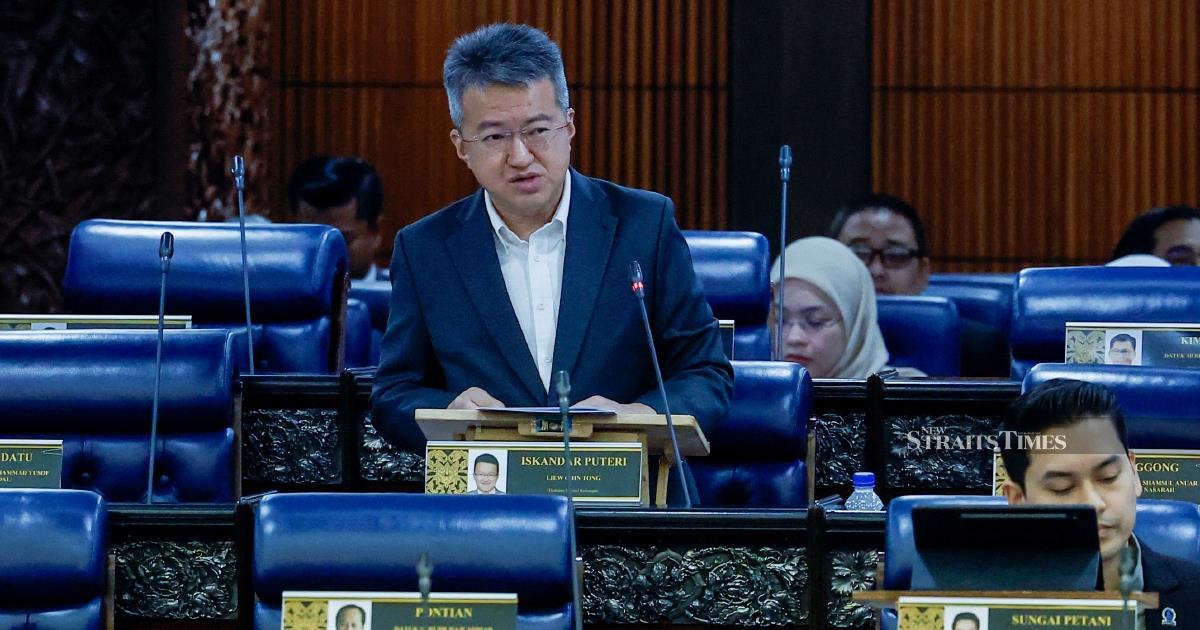
Malaysia has moved to strengthen oversight of its sovereign wealth fund after the controversial 2021 withdrawal of RM5 billion from the Kumpulan Wang Amanah Negara (KWAN) exposed significant regulatory gaps. The newly enacted legislation represents a landmark shift in how the government manages access to one of Southeast Asia's largest pools of public capital, fundamentally altering the balance between executive discretion and parliamentary scrutiny.
The RM5 billion extraction four years ago revealed that the existing legal framework governing KWAN lacked adequate safeguards to prevent large-scale withdrawals without explicit legislative approval. Previously, the fund operated under arrangements that granted executive officials considerable latitude in determining how and when monies could be accessed, a flexibility that Malaysian civil society groups and opposition lawmakers had long questioned. The gap proved consequential when the withdrawal proceeded with minimal parliamentary oversight, triggering public backlash and calls for institutional reform across the political spectrum.
Under the revised framework now in force, any future withdrawal from KWAN will require a formal resolution from the Dewan Rakyat, fundamentally restructuring the decision-making process. This requirement transforms the fund from an instrument largely controlled through administrative channels into one directly subject to the legislative branch, where all political parties can scrutinize and debate proposed access to the fund's resources. The change acknowledges that sovereign wealth funds managing national assets on behalf of Malaysians demand transparency and collective parliamentary judgment rather than centralized executive authority.
The implications of this legislative shift extend beyond institutional mechanics. KWAN serves as a critical repository for stabilizing the government's finances during economic downturns, supporting development initiatives, and protecting Malaysia's foreign exchange reserves. By requiring parliamentary approval, lawmakers have essentially made the political costs of accessing the fund considerably higher, as any government seeking to withdraw substantial sums must now build a case persuasive enough to convince a majority in the Dewan Rakyat. This creates a natural braking mechanism against opportunistic or poorly justified draws on public capital.
The 2021 withdrawal occurred during a period of considerable political turbulence in Malaysia, when multiple coalition shifts and ministerial transitions created uncertainty about governmental legitimacy. That the withdrawal proceeded during such a fragile political moment amplified concerns about accountability and proper procedure. The new law effectively ensures that future governments, regardless of their political composition, cannot replicate this scenario without securing explicit parliamentary endorsement, thereby anchoring KWAN governance to the broader principle of legislative supremacy in budgetary and fiscal matters.
For regional observers, Malaysia's reform underscores a broader trend toward tightening governance standards for sovereign wealth funds across Southeast Asia. Countries like Singapore and Indonesia have long maintained relatively robust oversight mechanisms for their development funds, and Malaysia's move brings its institutional practices more closely into alignment with regional best practice. This convergence matters as regional economies increasingly integrate, with foreign investors and international financial institutions paying closer attention to how governments manage public capital.
The legislative change also reflects evolving Malaysian attitudes toward transparency and accountability in public finance. Over the past decade, successive governments have faced mounting pressure from civil society, academic institutions, and professional bodies to adopt more rigorous standards for managing state assets. The KWAN reform represents a concrete response to these demands, demonstrating willingness to embed parliamentary oversight into the operational structure of major public institutions. This shift has implications extending beyond KWAN itself, potentially establishing precedent for similar reforms affecting other government-controlled funds and entities.
Practically speaking, the new requirement will likely slow the pace at which KWAN funds can be mobilized, as parliamentary procedures inherently consume time and require consensus-building among diverse political actors. Governments planning to access KWAN resources will need to develop detailed justifications, prepare parliamentary presentations, and engage in legislative negotiations well in advance of any withdrawal. While this introduces procedural friction, proponents argue that deliberation and scrutiny are appropriate costs for decisions affecting billions of ringgit in national resources.
The timing of the reform also matters contextually, arriving at a moment when Malaysia's fiscal position faces mounting pressures from aging infrastructure, social spending demands, and regional economic competition. Any future government considering KWAN withdrawals as a fiscal stimulus mechanism must now navigate parliamentary consensus-building, potentially limiting the fund's utility as a rapid-response instrument during economic emergencies. However, this constraint arguably reflects a judgment that the long-term stability benefits of parliamentary oversight outweigh the short-term flexibility sacrificed.
Looking forward, the success of this legislative framework will depend substantially on how Malaysian lawmakers approach their newly formalized oversight responsibilities. The Dewan Rakyat must develop sufficient technical capacity to evaluate KWAN withdrawal proposals seriously, resisting both reflexive approval of government requests and partisan obstruction divorced from substantive financial analysis. This requires investment in parliamentary research capabilities and cross-party deliberative processes.
The KWAN reform also invites reflection on broader questions about how developing economies balance governmental flexibility with institutional constraint. Malaysia's experience demonstrates that sovereign wealth funds managing substantial national assets ultimately operate within political economies where democratic accountability matters, even when such accountability introduces procedural complexity. The new legislation essentially affirms that for an institution managing resources of this magnitude, proper process and parliamentary scrutiny represent not obstacles to effective governance but essential components of legitimate public finance management.

