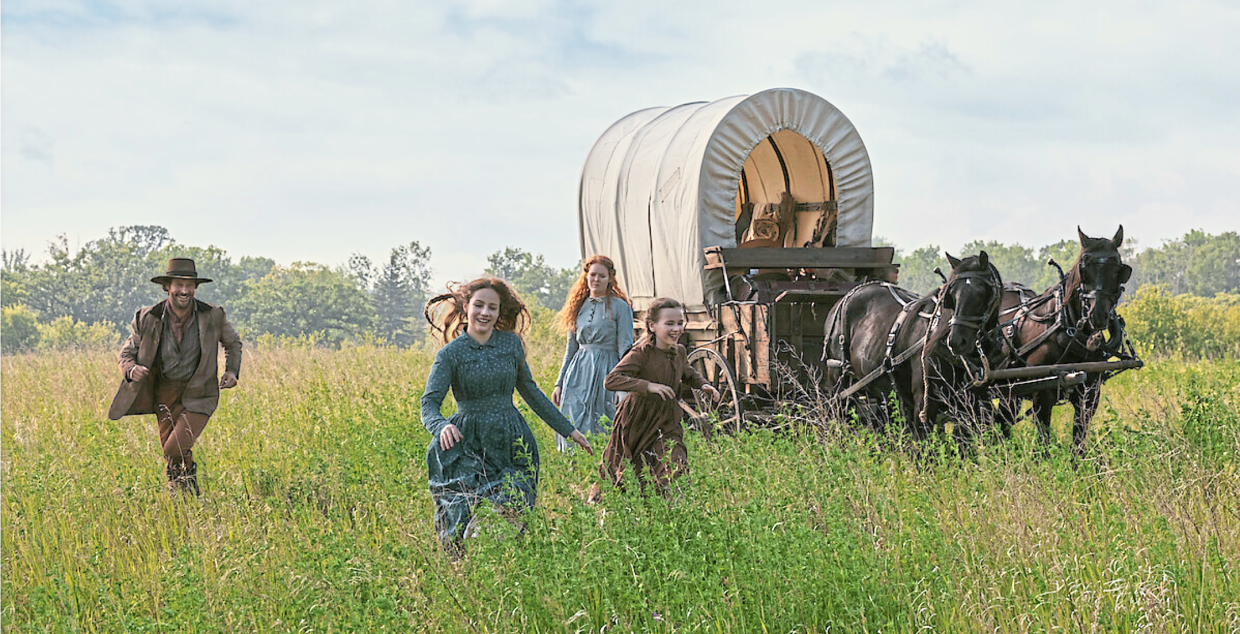
Netflix's upcoming 2026 adaptation of 'Little House on the Prairie' represents a significant revival of one of American literature's most enduring tales, enlisting Australian actor Luke Bracey to anchor the ensemble cast as patriarch Charles Ingalls. The project signals streaming's continued appetite for revisiting classic stories through contemporary lenses, particularly those centred on family resilience and the complexities of frontier life. For viewers across Southeast Asia with little exposure to the original 1935 novel or its cultural footprint, the reboot offers a fresh entry point into material that has proven remarkably durable across decades and mediums.
The narrative itself portrays a pioneering household navigating the uncertainties and hardships of 19th-century American frontier existence whilst maintaining strong emotional bonds. Bracey has emphasised that this thematic core—a family unit tested by circumstance yet fundamentally strengthened by mutual affection—explains the story's longevity and cross-generational appeal. The actor's observation that the enduring popularity of the Ingalls family is neither coincidental nor accidental suggests Netflix's development team recognised an opportunity to tap into familiar emotional terrain while substantially reimagining how that story gets told for audiences in the 2020s.
Previous adaptation efforts, particularly the celebrated NBC television series that ran from the early 1970s through 1983, established a template for bringing the material to screen. That five-decade gap between the network television era and this new streaming venture reflects both changing production capabilities and shifting cultural conversations about how historical narratives should be constructed and whose perspectives deserve prominence. The earlier adaptation, whilst beloved, operated within different constraints regarding how settler-colonial relationships and Indigenous experiences could be portrayed or explored.
Netflix's version signals intentionality in addressing these dimensions more directly. The production explicitly engages with settler-colonial and Indigenous narratives, indicating the creative team's decision to complicate the frontier mythology rather than simply replicate it. This represents a meaningful departure from how such stories were typically handled in previous iterations, reflecting broader industry movement toward more nuanced historical storytelling. For Malaysian and Southeast Asian audiences accustomed to seeing their own region's colonial histories examined with increasing critical sophistication, this approach may feel particularly resonant.
The supporting cast brings depth to the Ingalls household. Alice Halsey portrays central character Laura Ingalls, with Crosby Fitzgerald cast as Caroline, the mother, and Skywalker Hughes playing Mary, Laura's older sister. This ensemble structure allows the narrative to explore how frontier life affected family members differently based on age, gender, and individual temperament. The casting spans multiple national backgrounds, reflecting how contemporary streaming productions increasingly favour international talent pools rather than restricting themselves to domestic actors.
Halsey has spoken candidly about the gender constraints Laura faced during her formative years in the 1800s, noting that boys enjoyed substantially greater privileges and educational opportunities than their female counterparts. The actress reflected on how profoundly different her own life trajectory would have been had she lived during that era, unable to pursue many of the personal and professional endeavours she values today. This analytical approach to gender dynamics suggests the production intends to foreground women's experiences and limitations rather than treat them as incidental details.
Such thematic examination carries particular weight for modern audiences grappling with ongoing gender equity debates. By allowing its cast to articulate how systematically constrained girls' lives were in that historical moment, the show creates space for viewers to recognise both progress achieved and persistent disparities. Southeast Asian audiences, many from societies where education and economic participation gaps between genders remain contentious policy matters, may find such historical comparison illuminating.
Creator and showrunner Rebecca Sonnenshine guides the creative vision, bringing established credentials from television production to bear on this substantial undertaking. The production has already secured renewal for a second season even ahead of its inaugural season premiere, an unusually strong vote of confidence from Netflix's programming leadership. Such early renewals typically signal significant financial commitment and confidence in audience reception, suggesting the streamer views this project as a flagship tentpole capable of attracting substantial viewership.
The cast has expressed genuine enthusiasm about the production experience. Hughes spoke warmly about the memorable moments created during filming and the prospect of returning to the material for additional seasons, suggesting a working environment conducive to generating quality performances. Such camaraderie among cast members frequently translates to on-screen chemistry that audiences intuitively recognise and respond to, potentially contributing to the show's competitive positioning within the crowded drama marketplace.
For regional audiences unfamiliar with the source material's cultural significance in North America, this adaptation offers an accessible introduction without requiring prior knowledge. The universal themes of family interdependence, economic struggle, and personal resilience transcend geographic and historical boundaries. Simultaneously, the production's apparent commitment to incorporating Indigenous perspectives and interrogating settler-colonial assumptions suggests a narrative sophistication that moves beyond simple nostalgia or historical recreation.
The 2026 release date positions the show within Netflix's broader 2020s content strategy, competing alongside other prestige dramas for viewer attention and subscription retention. The willingness to invest in multi-season commitments and international casting reflects streaming's evolution from novelty platform to established entertainment infrastructure with production ambitions rivalling traditional studios. For Southeast Asian viewers, this represents expanded access to major productions that previously would have reached regional audiences only through delayed distribution or limited theatrical releases.
Ultimately, this reboot succeeds in its fundamental mission if it convinces contemporary audiences that the Ingalls family's story remains worth experiencing anew. By anchoring the material in fresh casting, enhanced production values, and contemporary sensibilities regarding historical representation, Netflix attempts to honour the source material whilst making it speak meaningfully to present concerns. Whether that balancing act resonates with audiences globally will become apparent upon the series' debut.

