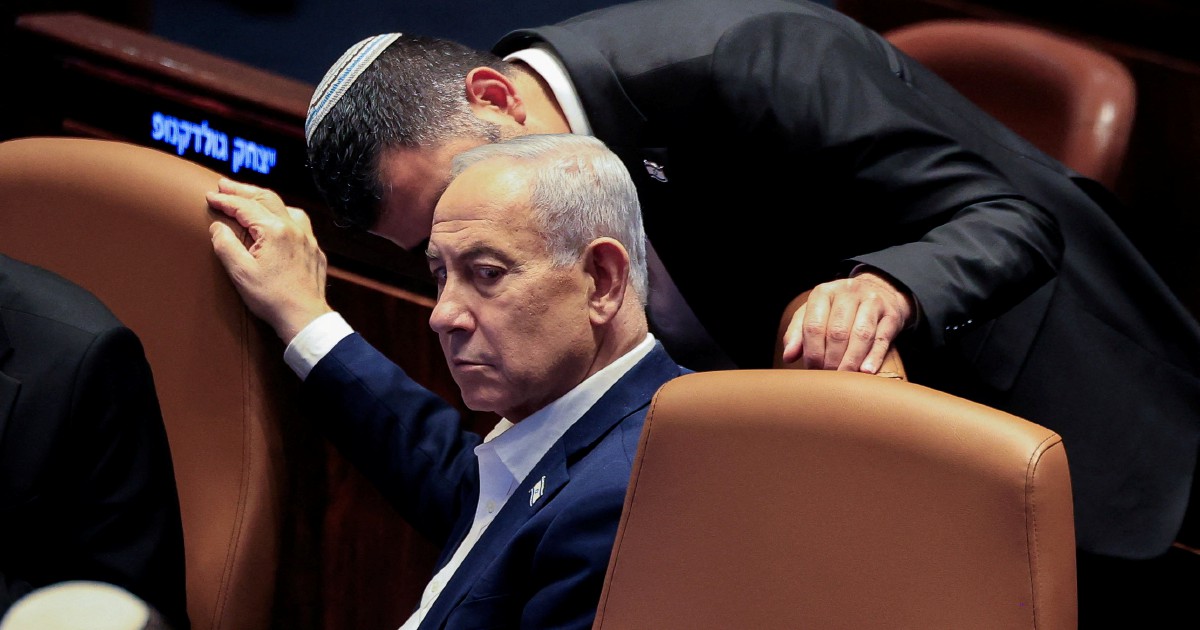
In a sharp rebuke that underscores escalating tensions between Israel and sections of the American political establishment, Prime Minister Benjamin Netanyahu's office issued a forceful condemnation of New York Mayor Zohran Mamdani on Sunday following provocative remarks about potentially detaining the Israeli leader. The mayor's comments, made in reference to Netanyahu's anticipated participation in an upcoming United Nations summit, have intensified scrutiny over the delicate balance between diplomatic protocols and legal accountability that has become a defining feature of Middle Eastern relations in recent months.
Mamdani's suggestion that he might consider whether grounds existed to arrest Netanyahu touched on a sensitive intersection of international law, diplomatic immunity, and the contentious geopolitical landscape surrounding Israel's military operations. The comments emerged amid broader global debate about potential accountability mechanisms for high-ranking officials accused of violations during armed conflict, a conversation that has gained considerable momentum in academic and legal circles worldwide, though it remains politically fraught in Washington and allied capitals.
The statement from Netanyahu's office treated the mayor's remarks as an affront to fundamental diplomatic norms and bilateral relations between Israel and the United States, countries bound by deep security partnerships and decades of strategic coordination. By publicly raising the prospect of arrest, critics argue, Mamdani was potentially signalling political motivation rather than application of objective legal standards. The office's response reflects how sensitive Netanyahu's international standing has become, particularly given ongoing investigations and legal challenges he faces domestically in Israel on corruption charges entirely separate from questions about military conduct.
New York's role as host to United Nations headquarters gives the mayor symbolic and practical authority over civic arrangements for international delegations visiting the city. However, the suggestion of enforcement action against a visiting head of government raises complex questions about the extent of local officials' responsibilities regarding international legal obligations versus their deference to federal foreign policy decision-making. The Trump administration, which previously granted Netanyahu substantial latitude during official visits, would typically coordinate with city authorities on security and protocol matters.
Mamdani's emergence as a vocal figure on this issue reflects shifting dynamics within American municipal politics, where younger representatives increasingly prioritize Palestinian solidarity and international accountability over traditional diplomatic courtesies extended to Israeli leadership. This generational divide within Democratic-controlled cities has created unexpected complications for federal authorities seeking to manage relations with Israel at a time when congressional support remains largely bipartisan, even as public opinion shows growing divisions along partisan and demographic lines.
For Malaysia and Southeast Asian observers, the incident illuminates broader questions about how middle powers navigate between international legal frameworks and geopolitical alliances. The potential application of universal jurisdiction—whereby courts can prosecute individuals for crimes against humanity regardless of where the acts occurred—has significant implications for regional leaders' freedom of movement internationally. Several Southeast Asian nations maintain complex relationships with international criminal law mechanisms, making such disputes relevant to broader conversations about state sovereignty and accountability.
The UN summit mentioned in the dispute represents a platform where Netanyahu has traditionally addressed the international community directly, using such appearances to defend Israeli security policies and counter criticism regarding treatment of Palestinians. Any disruption to his participation would constitute a diplomatic embarrassment and potentially signal fractured American support at a moment when Israel values unified Western backing. Previous visits to New York have occasionally prompted protests and legal challenges, though none have previously reached the point of serious detention discussions from municipal authorities.
Diplomatic circles in Tel Aviv and Washington have likely engaged in urgent consultations to manage the fallout from Mamdani's comments and prevent further inflammatory rhetoric that could damage bilateral relations or create precedent for other localities to raise similar challenges to visiting Israeli officials. The incident occurs against a backdrop of mounting international scrutiny on Israel's conduct, with several countries supporting investigations by the International Criminal Court—an institution Netanyahu's government has consistently resisted and delegitimized as politically motivated.
The broader context involves questions about how democracies reconcile commitment to universal legal principles with pragmatic considerations about maintaining diplomatic relations with strategic partners. Israel's security importance to American interests, particularly regarding Middle Eastern stability and counterterrorism cooperation, has historically insulated Israeli leaders from accountability mechanisms that might otherwise apply to officials from less strategically vital nations. Yet erosion of this exceptionalism, whether through changing political dynamics or evolving international norms, represents a significant potential shift in how accountability operates globally.
For Netanyahu specifically, the comments highlight vulnerabilities created by his controversial standing internationally. Unlike predecessors who maintained broader international acceptance, Netanyahu faces organized opposition from human rights groups, progressive politicians, and activists who view him as directly responsible for policies they characterize as violations. This environment makes him potentially more exposed to creative legal or political maneuvers than previous Israeli leaders might have been, though the practical barriers to actual prosecution remain formidable.
Looking forward, the incident may prompt Israeli officials to reconsider whether sending Netanyahu to high-profile international events carries unavoidable risks, potentially affecting his ability to project Israeli leadership globally. Alternatively, it may accelerate diplomatic efforts to isolate voices like Mamdani's and reinforce American commitment to protecting Israeli leaders from legal jeopardy. The resolution of this specific dispute will likely set precedent for how subsequent visits proceed and what constraints international legal debates place on diplomatic engagement.

