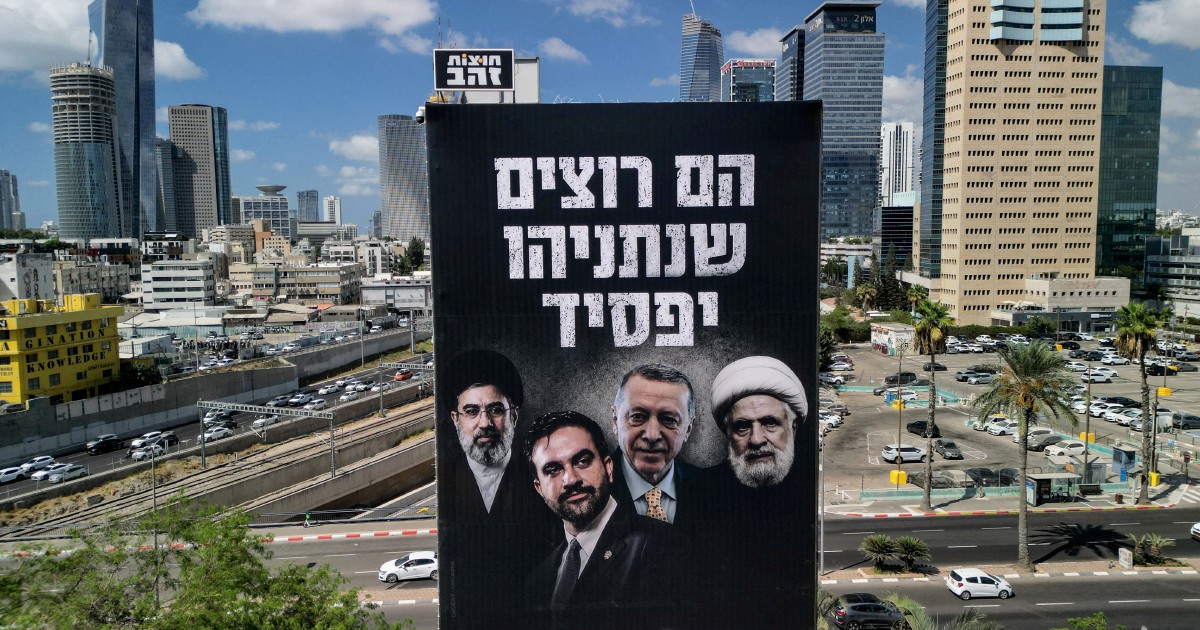
The internal voting process unfolded in Tel Aviv on Monday, representing a critical juncture for Israel's political establishment as the nation prepares for crucial parliamentary elections scheduled for October 27. Members of the Likud party, long considered the dominant force in Israeli politics under Netanyahu's stewardship, gathered to determine which candidates would represent the party in what observers acknowledge will be one of the most competitive electoral contests in recent Israeli history.
Nehanyahu's grip on power has visibly loosened in recent months, a dramatic reversal for a leader who has dominated Israeli politics for over a decade. The prime minister now faces a fundamentally different political landscape than that which existed during his previous electoral victories. His standing within his own party has been complicated by a series of challenges that have eroded the coalition's cohesion and public confidence. The selection of candidates for this election cycle carries heightened significance because it will directly determine which figures carry forward the Likud's message and vision during the campaign.
The right-wing party's dominance in Israeli politics has been a defining characteristic of the past fifteen years, but this electoral cycle signals potential realignment. International observers and regional analysts have noted that the traditional advantages held by Netanyahu and his party are no longer assured. The competitive nature of the October 27 election reflects broader shifts within Israeli society, voter sentiment, and the political calculus that has governed coalition-building and governance in recent years.
For Malaysian and Southeast Asian readers, the implications of shifts within Israeli politics extend beyond the immediate regional context. Israel remains a significant player in international affairs, and changes in its political leadership can affect diplomatic relationships, regional stability, and broader geopolitical alignments. The weakening of Netanyahu's previously unassailable political position demonstrates that even long-entrenched leaders face inevitable political cycles and challenges.
The Likud party's candidate selection process serves multiple strategic purposes. By allowing party members to participate in choosing their representatives, the party aims to demonstrate internal cohesion and democratic processes, even as external observers question the party's broader political viability. The outcome of these selections will shape not only which individuals carry the Likud banner but also what policy positions and messaging the party emphasizes during the campaign.
Netanyahu's political vulnerabilities stem from multiple sources, including security concerns, economic management questions, and broader dissatisfaction among certain voter demographics. The tight electoral race signals that Israeli voters are actively considering alternatives, a development that would have seemed improbable merely a few election cycles ago. This shift reflects genuine public concern about policy directions and leadership effectiveness.
The October 27 election will likely determine not only the composition of Israel's next government but also the trajectory of regional affairs throughout the Middle East. Neighboring countries, including those in Southeast Asia with trade and diplomatic ties to Israel, will be monitoring the electoral outcome closely. Changes in Israeli leadership could potentially shift diplomatic priorities and policy orientations in ways that ripple across international relations.
Within the Likud itself, the candidate selection process may reveal internal divisions that have simmered beneath the surface of party unity. Younger challengers, rival factions within the right-wing establishment, and figures positioning themselves for potential leadership succession are likely visible in this round of selections. These internal dynamics can significantly influence how effectively the party campaigns and whether it maintains coalition viability if government formation becomes necessary after October 27.
The broader Israeli political landscape has become increasingly fractious, with multiple parties competing for support across the ideological spectrum. Likud's capacity to retain its historical electoral dominance will depend substantially on how effectively it appeals to its traditional base while potentially attracting moderate voters concerned about alternatives. The candidate slate chosen through Monday's internal voting will be instrumental in shaping these electoral appeals.
Malaysian policymakers and observers should note that Israeli political instability or transitions can have consequences for regional security architectures and international relationships affecting Southeast Asia. The potential weakening or renewal of Netanyahu's government could influence Middle Eastern policy directions that have broader geopolitical ramifications. Understanding the internal mechanics of Israeli political selection, as demonstrated through Monday's Likud process, provides insight into how established political powers in any democracy manage succession and renewal.
The October 27 election represents a watershed moment for Israeli politics that transcends typical electoral cycles. The tight competitive environment reflects fundamental reassessment by Israeli voters about their preferred direction and leadership. How Likud's chosen candidates perform during the campaign, and whether they can reverse the party's apparent political decline, will significantly influence not only Israel's future governance but also its role in shaping regional dynamics that extend far beyond the Middle East.

