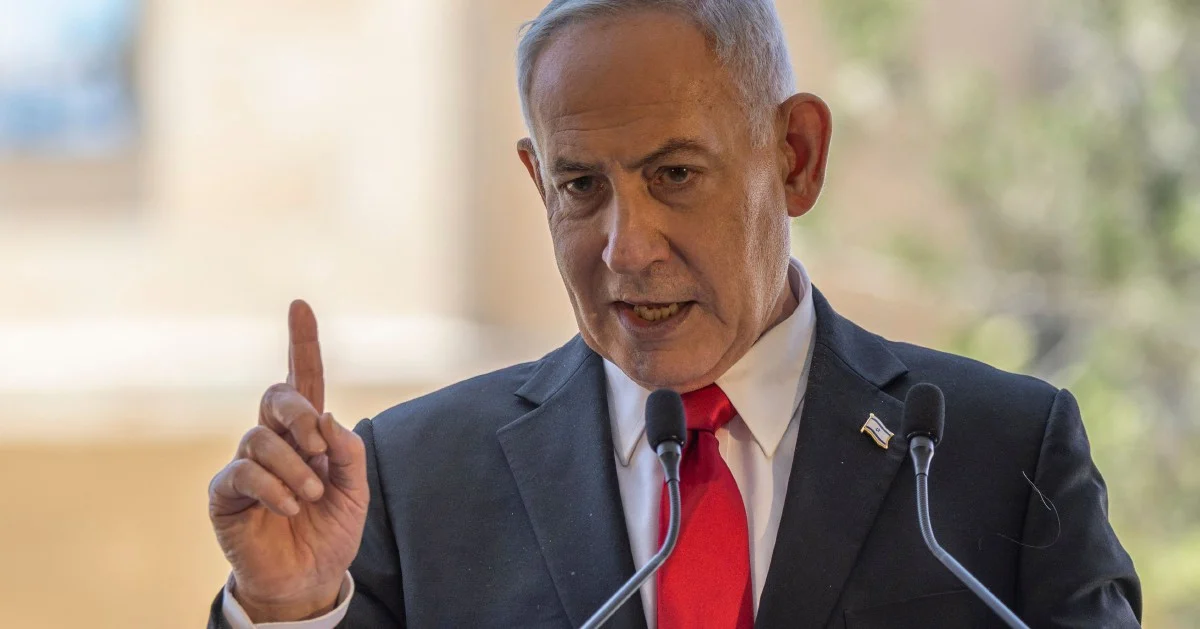
Prime Minister Benjamin Netanyahu's administration is moving swiftly to pass a slate of controversial legislation in Jerusalem before the Knesset formally dissolves, setting the stage for national elections that will take place within four months. The accelerated legislative push has provoked heated resistance from opposition parties and civil society groups, who view the manoeuvre as an attempt to entrench specific policies before the electorate weighs in on the government's direction.
The timing of this legislative blitz is strategically significant in Israeli politics. A sitting government typically faces constraints once the dissolution process begins, limiting its ability to pass major bills through parliament. By moving quickly now, Netanyahu's coalition is seeking to consolidate its legislative agenda while it retains full parliamentary powers. This practice, though not uncommon in Israeli politics, reflects the high-stakes nature of the forthcoming ballot and the deep divisions within the country over fundamental policy questions.
Opposition lawmakers have characterised the bills as attempts to reshape Israeli law and governance in ways that would prove difficult or impossible to reverse after elections. Critics argue that the government should defer major legislative initiatives to the newly elected parliament, where the electorate's voice would be reflected in the composition and priorities of its members. This argument touches on broader democratic principles about the role of lame-duck administrations and the proper timing of transformative policy changes.
The legislative package addresses multiple areas of Israeli governance and policy. While specific bills vary in scope and intent, they collectively represent Netanyahu's vision for the country's future. The breadth of the agenda underscores the government's determination to lock in its policy preferences before a potential change in political leadership or coalition composition following elections.
Netanyahu's coalition, which has governed Israel through a turbulent period marked by security challenges and domestic polarisation, appears motivated by uncertainty about electoral outcomes. Polling data has suggested a closely contested race, with no single political bloc assured of victory. This uncertainty likely explains the urgency with which the government is pursuing its legislative goals. Political coalitions in Israel operate through complex power-sharing arrangements, and the specific composition of the next government could significantly alter the implementation of current policies.
For Malaysian and Southeast Asian observers, the situation illustrates how parliamentary systems in the Middle East navigate the intersection of executive power, legislative authority, and electoral cycles. Like Malaysia, Israel operates a parliamentary democracy where elections can produce significant shifts in government composition and policy direction. However, the practice of rush legislative agendas during pre-election periods highlights different political cultures and constitutional conventions across democracies.
The opposition's resistance reflects concerns that extend beyond standard partisan disagreement. Many critics worry that some bills may institutionalise changes that contradict principles they view as foundational to Israeli democracy or justice. Civil society organisations have mobilised to oppose what they characterise as threats to judicial independence, minority rights, or fundamental freedoms. This broader civic engagement suggests the controversy transcends typical parliamentary disagreement.
International observers have also noted the legislative activity with interest. Israel's closest allies, including governments in North America and Europe, maintain close interest in Israeli domestic policy evolution. Some bills potentially have implications for international law or Israel's bilateral relationships, adding another dimension to the controversy. Countries throughout the region and beyond monitor Israeli legislative developments for signals about future governance priorities and policy directions.
The coming months will determine whether these bills survive the electoral transition. If Netanyahu's coalition emerges from elections with renewed or expanded control, the legislation will likely remain in effect and potentially serve as a foundation for additional policy initiatives. Conversely, if opposition parties gain sufficient strength to form an alternative government, newly elected lawmakers may move to repeal or substantially revise portions of the agenda. This prospect of potential reversal animates the current political struggle.
For Netanyahu personally, the legislative push represents a final opportunity to advance his government's priorities before facing voters. His political survival depends on electoral performance, and the legislative package may carry significance for his party's positioning before the campaign formally intensifies. The prime minister's political future and the direction of Israeli governance remain intertwined as the country approaches its electoral moment.
The controversy surrounding this legislative rush illustrates enduring tensions within Israeli democracy about the proper balance between executive initiative and democratic accountability. As the Knesset prepares to dissolve, these fundamental questions about governance, representation, and the timing of major policy decisions will continue to shape political debate. The next parliament will inherit not only the seats vacated by retiring members but also the legislative choices made during these final weeks of the current government's mandate.

