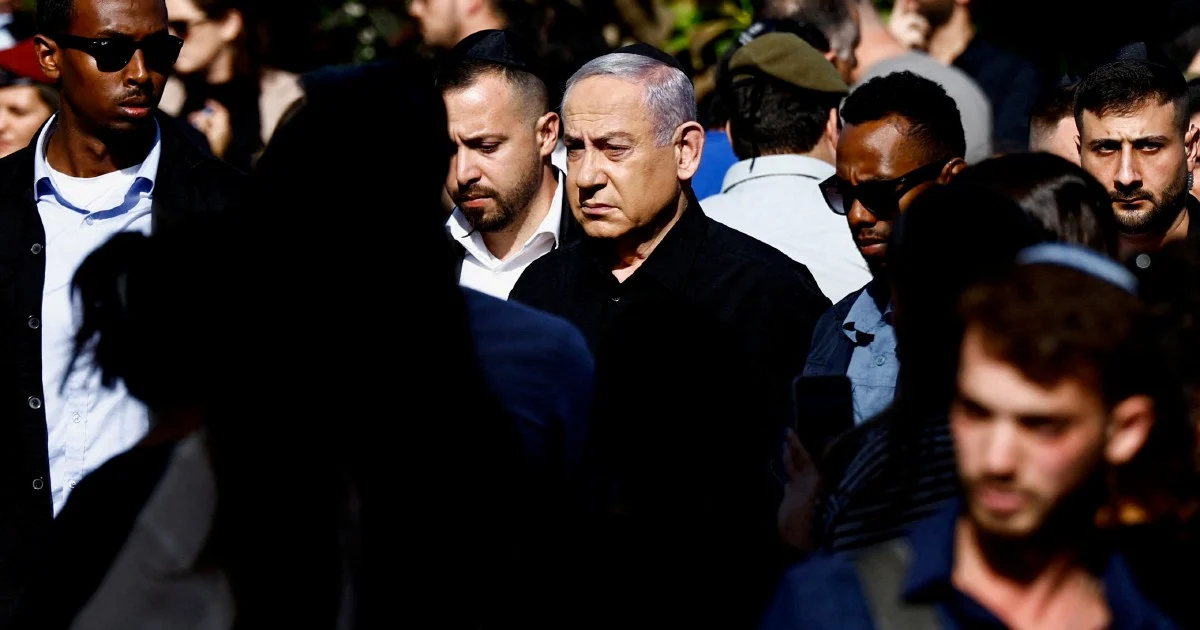
Israeli Prime Minister Benjamin Netanyahu has finished testifying in his corruption cases, according to a justice ministry spokeswoman in Jerusalem on Wednesday, bringing a major phase of the lengthy legal proceedings toward conclusion. The testimony's completion comes as Netanyahu navigates a complex intersection of domestic legal challenges and foreign policy pressures that have defined much of his recent tenure in office.
Netanyahu's testimony represented his personal account across multiple corruption trials that have dogged his administration for several years. The cases involve allegations ranging from bribery to breach of trust, charges that Netanyahu has consistently denied. By taking the stand himself, the prime minister sought to directly address the accusations through testimony rather than relying solely on his legal team's defence arguments, a strategy that placed additional scrutiny on the specifics of his version of events.
The timing of the testimony's conclusion carries particular significance given the broader geopolitical context engulfing Israel. The country has been processing significant developments regarding potential negotiations between the United States and Iran, which Israeli officials have widely interpreted as running counter to their national security interests. This convergence of domestic legal proceedings and regional threat perception has created intense pressure on Netanyahu's government across multiple fronts simultaneously.
For Malaysian observers and Southeast Asian regional analysts, Netanyahu's legal predicament illustrates the broader challenge facing democratic governments when leaders face corruption allegations while managing critical national security matters. The complexity of simultaneously defending oneself in court whilst making consequential decisions affecting national defence creates inherent tensions that reverberates across institutional arrangements and public confidence in governance.
The corruption cases have presented Netanyahu with persistent obstacles throughout his extended political career, yet he has managed to remain in office despite the legal jeopardy. His presence in court as a testifying defendant—rather than abstaining as some argued he should—demonstrates the determination to engage directly with charges whilst maintaining his political position. The decision to testify personally rather than maintain distance from proceedings reflects a calculation that his account, delivered directly, might resonate more effectively with the public and potentially influence judicial consideration.
Israel's relationship with the United States has long formed the bedrock of its security architecture, making developments in American foreign policy toward regional actors like Iran matters of existential consequence. Should the US pursue diplomatic arrangements or sanctions relief involving Iran that Israel perceives as threatening, such moves could fundamentally alter the regional balance Netanyahu's government has worked to maintain. This context renders Netanyahu's simultaneous engagement with his corruption trials doubly demanding, as he confronts both legal and strategic challenges.
The conclusion of Netanyahu's testimony marks the end of his direct participation in examination and cross-examination, though the judicial process continues with deliberations and decisions ahead. Courts in multiple jurisdictions continue processing the various allegations, with judges weighing testimony from Netanyahu himself alongside evidence from other witnesses and documents presented throughout the trials. The timeline for verdicts remains uncertain, potentially extending legal proceedings through several more years of uncertainty.
For the Israeli political system, Netanyahu's ongoing legal challenges have created institutional strain as questions persist about whether a prime minister facing active corruption trials should continue governing. The tension between legal accountability and democratic continuity remains unresolved in Israeli constitutional practice, unlike some other democracies that have addressed similar scenarios more definitively. This ambiguity has allowed Netanyahu to continue holding office whilst facing prosecution, a situation increasingly tested by both domestic opponents and international observers.
The regional implications of Israel's internal political turbulence extend across Southeast Asia's strategic calculations. Malaysia and other nations in the region maintain complex diplomatic relations with Israel shaped partly by international positioning on Palestinian rights and broader Middle Eastern geopolitics. Any instability in Israeli governance stemming from corruption trials could affect regional diplomatic arrangements and broader international policy coordination affecting trade, security, and humanitarian concerns.
Netanyahu's testimony completion suggests a possible acceleration toward judicial conclusions in at least some corruption cases, though any timeline remains speculative. The courts face substantial remaining work in evaluating all evidence, hearing remaining arguments from both prosecution and defence, and ultimately rendering judgments on the charges. Political observers in Israel and internationally will be watching whether legal proceedings accelerate or extend further, affecting both Netanyahu's political position and broader questions about the health of Israeli democratic institutions.
The convergence of legal jeopardy and regional security pressure on Netanyahu's government underscores broader contemporary challenges for democratic leadership in volatile environments. When leaders simultaneously face serious criminal allegations and critical security decisions, institutional mechanisms for ensuring accountability and sound governance face severe stress. Netanyahu's case demonstrates how these pressures can extend across years of uncertainty, affecting not only the individuals involved but also the stability and functioning of entire governments.