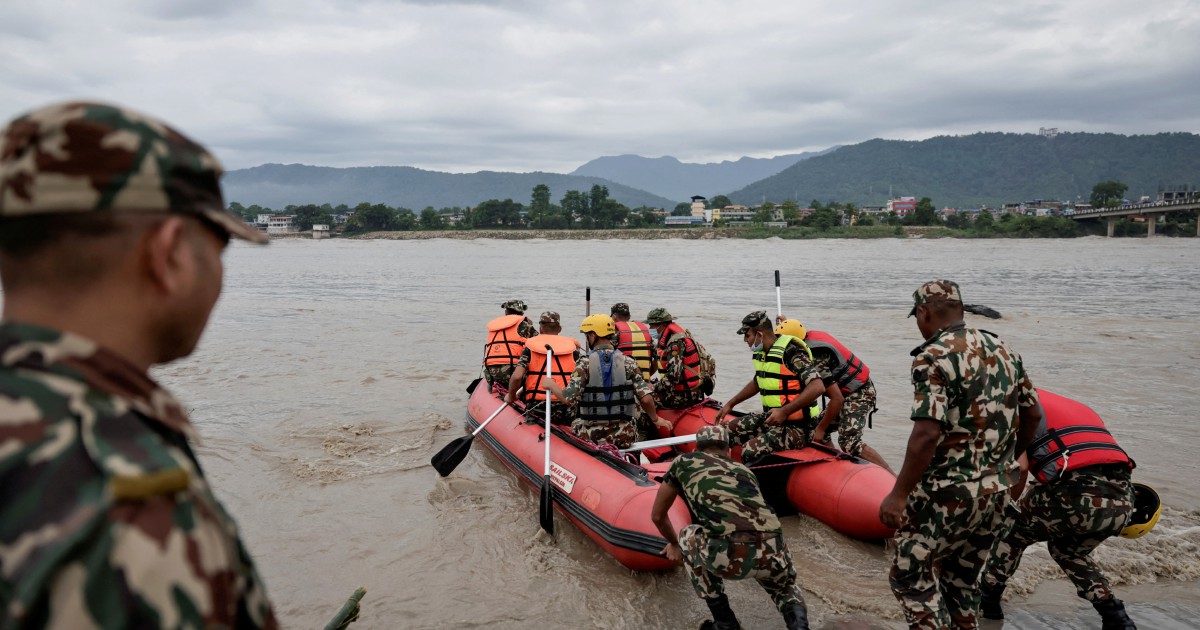
Nepal is confronting a humanitarian crisis of extraordinary proportions following unprecedented flooding that has claimed hundreds of lives and displaced thousands across the nation. Prime Minister Balendra Shah used stark language to characterise the unfolding disaster, describing it as both "unimaginable and heartbreaking" as authorities grapple with the sheer scope of devastation and struggle to establish accurate casualty figures amid ongoing rescue operations.
The flooding represents one of the most severe natural disasters to strike the Himalayan nation in recent years, with water torrents sweeping through populated areas and leaving entire communities cut off from outside assistance. The precise extent of the catastrophe remains uncertain as rescue teams encounter significant obstacles in accessing affected regions, where damaged infrastructure, landslides, and continuing adverse weather conditions hamper recovery efforts. Government officials acknowledge that preliminary casualty counts are likely incomplete, with many remote settlements still unaccounted for as days pass since the initial disaster struck.
The disaster carries particular significance for regional observers and humanitarian organisations focused on South Asia, as Nepal's mountainous terrain and monsoon vulnerability make such events increasingly common. The nation's history of seismic activity compounds the challenges faced during flooding events, as earthquake-weakened terrain becomes susceptible to landslides that compound water-related destruction. Previous major floods and earthquakes have demonstrated the country's limited capacity to mount rapid large-scale rescue operations across difficult topography.
For Malaysia and other Southeast Asian nations, Nepal's current plight serves as a sobering reminder of the climate-related risks facing the broader region. The Indian subcontinent's monsoon patterns and global warming have intensified rainfall intensity across South Asia, creating conditions where catastrophic flooding events may become more frequent and severe. Malaysian meteorological agencies and disaster management officials typically monitor such regional events closely, recognising parallels with the nation's own vulnerability to monsoon-induced flooding during northeast and southwest monsoon seasons.
Prime Minister Shah's characterisation of the disaster as "unimaginable" reflects the challenge authorities face in comprehending the situation even as it unfolds. Initial reports suggested flooding began suddenly in multiple regions simultaneously, catching residents and local officials unprepared despite Nepal's long experience with seasonal water-related hazards. The government has mobilised military personnel and emergency responders, yet the scale of deployment appears insufficient to address the geographic spread of affected areas across Nepal's diverse topography.
The missing persons figure compounds the humanitarian dimension of this crisis, suggesting that definitive accounting for the disaster's human cost may take weeks or months to establish. In previous major disasters affecting Nepal, searches for missing individuals have continued long after initial emergency response phases conclude, with bodies recovered from unexpected locations as waters recede and landslide debris is cleared. Families separated during the initial flooding face uncertain prospects as communication networks remain disrupted across affected zones.
International response mechanisms have begun mobilising, with neighbouring India and other regional partners offering emergency assistance. The coordination of cross-border relief efforts adds complexity to response operations, though geographic proximity and existing diplomatic channels should facilitate effective cooperation. Nepal's experience with major disasters has led to development of international partnerships that typically activate quickly when catastrophes occur, though resource constraints often limit the speed and scale of relief deployment.
For Malaysian observers, Nepal's disaster underscores the importance of robust early warning systems and community preparedness programmes, elements that Malaysia has progressively strengthened following major flooding events in recent years. The Southeast Asian region's varied landscape encompasses both mountainous areas vulnerable to flash flooding and low-lying zones susceptible to prolonged inundation, making Nepal's experience relevant across multiple national contexts. Malaysia's own disaster management frameworks have evolved substantially, yet the Nepali situation demonstrates that even determined government efforts cannot entirely mitigate risks posed by extreme weather events.
The economic implications of Nepal's disaster extend beyond immediate humanitarian concerns. Destruction of agricultural land during harvest season threatens food security for vulnerable populations, while damage to transport infrastructure isolates entire regions from commercial networks. Nepal's tourism industry, a significant source of foreign exchange, faces disruption as roads and facilities throughout the country require repair. The long-term recovery trajectory typically extends across multiple years, straining government finances and requiring sustained international support beyond the immediate crisis phase.

