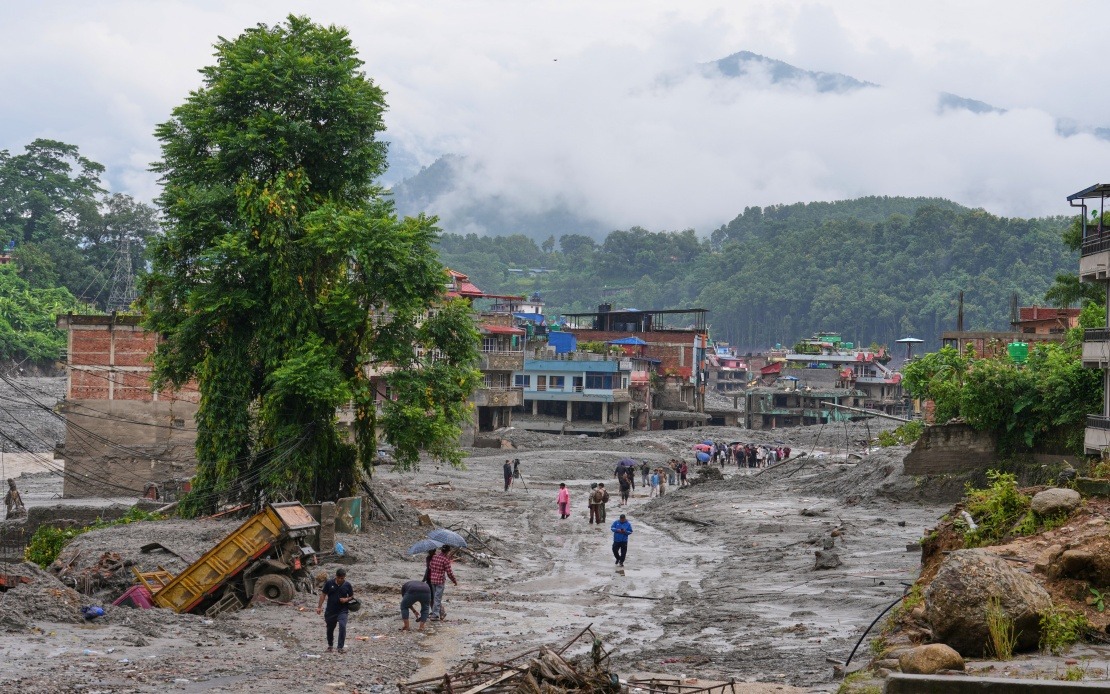
A catastrophic mudslide has swept through remote districts in central Nepal, claiming at least 675 lives and leaving thousands missing, according to the country's National Disaster Risk Reduction and Management Authority. The disaster, which has struck areas far from urban centres, presents one of the nation's most severe natural disasters in recent years, with rescue operations continuing under challenging conditions across the affected terrain.
As of Saturday evening, the confirmed death toll had reached 675, with recovery operations ongoing in the worst-hit regions. However, the final human cost remains unclear, as 2,498 individuals remain unaccounted for across multiple districts. The disparity between confirmed deaths and missing persons suggests that many additional victims may yet be discovered as rescue teams gain access to remote communities isolated by the disaster.
Tourists have been significantly impacted by the calamity. The Department of Tourism has documented 753 visitors who lost contact with authorities, among whom 589 are foreign nationals. This high number of missing tourists highlights the disaster's severe impact on the country's tourism infrastructure and raises concerns about the safety of trekking routes and accommodation facilities in Nepal's mountainous regions, which are crucial revenue generators for the economy.
The mudslides have devastated three districts in particular: Rasuwa, Nuwakot, and Dhading, all located in Nepal's central hill territory. These regions, already prone to seasonal flooding and landslides due to their steep topography and monsoon climate patterns, face massive destruction to homes, agricultural land, and critical infrastructure. The districts' isolation from capital infrastructure has complicated relief delivery and rescue coordination efforts.
Kathmandu's District Administrative Office has issued an urgent appeal for assistance, requesting donations from businesses, civil society organisations, institutions, and individuals throughout the capital. The call for relief supplies underscores the strain on government resources and the necessity for broad-based community support to manage the humanitarian crisis effectively. Such appeals typically precede large-scale distribution of food, shelter materials, and medical supplies to affected communities.
The timing of this disaster during Nepal's monsoon season is particularly significant for regional observers. August and September constitute the peak months for rainfall-triggered landslides in the Himalayan foothills, and climate patterns suggest that further hazardous weather could compromise ongoing rescue operations and threaten additional communities in vulnerable zones. This seasonal vulnerability presents a recurring challenge for Nepal's disaster management framework.
For Southeast Asian nations sharing similar geographic and climatic conditions, Nepal's mudslide disaster serves as a sobering reminder of the region's exposure to natural hazards. Countries including Malaysia, Indonesia, and the Philippines face comparable risks from monsoon-driven landslides, particularly in areas experiencing rapid urbanisation in mountainous terrain and deforestation that destabilises hillsides.
Nepal's disaster response system, overseen by the National Disaster Risk Reduction and Management Authority, faces significant pressure from the scale of this event. The coordination between national authorities, local governments, and international aid organisations will determine the efficiency of rescue and recovery operations. Early assessments suggest that the mountainous terrain, limited road access, and weather conditions may severely hamper rescue efforts in the coming days.
The missing persons figures carry particular weight, as many individuals may be trapped in collapsed buildings, buried under debris, or isolated in communities cut off by mudslides. The window for locating survivors alive typically closes within days of such disasters, creating urgency for rescue teams despite the hazardous conditions. International search and rescue organisations may be mobilised to supplement Nepal's domestic capabilities.
Beyond the immediate human tragedy, this disaster will likely expose structural vulnerabilities in Nepal's building codes, land use planning, and early warning systems. Investigation into why death tolls reached such high numbers may reveal gaps in disaster preparedness and public awareness, particularly in rural and mountainous districts where institutional capacity remains limited. Such findings typically inform policy reforms aimed at reducing vulnerability in future disasters.
The economic implications extend beyond immediate reconstruction costs. Tourism, a vital foreign exchange earner for Nepal, will face setbacks as international visitors reconsider travel plans to the affected regions. The hospitality sector, transport operators, and guide services dependent on mountain tourism will experience disrupted income streams throughout the recovery period, potentially lasting months or longer depending on infrastructure damage assessment.
As rescue operations intensify, the international community has begun monitoring developments closely. Regional nations and development partners typically offer technical support, rescue personnel, and financial assistance in response to disasters of this magnitude. Nepal's experience will contribute valuable lessons to disaster management practices across South Asia and Southeast Asia, where similar geological and meteorological hazards threaten expanding populations in mountainous zones.

