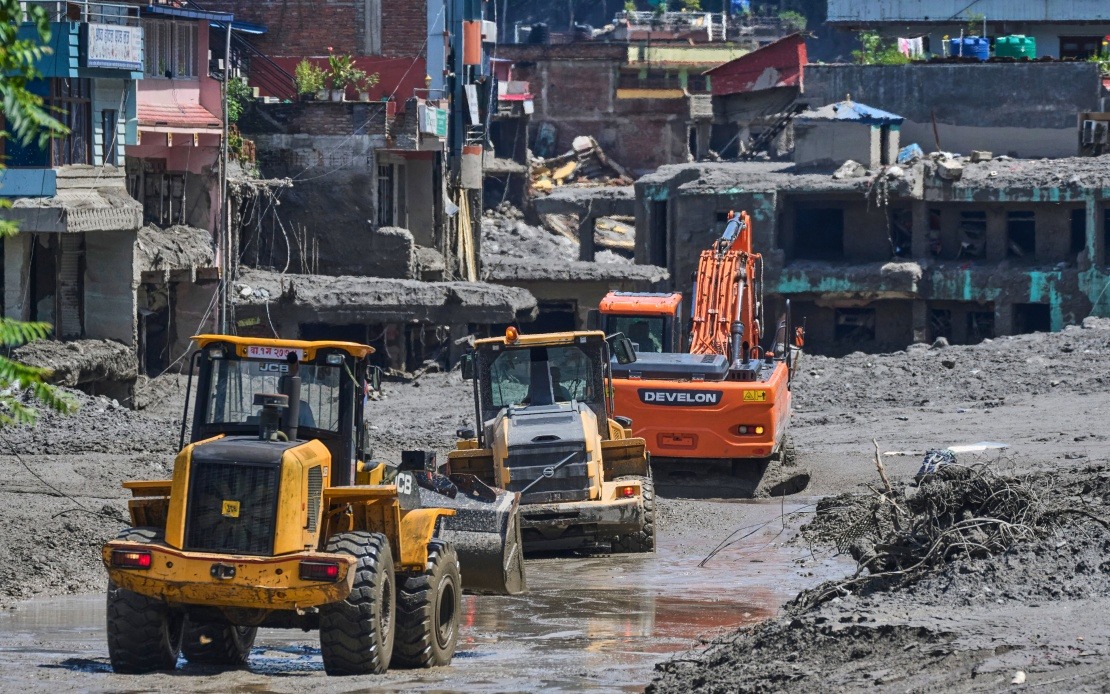
Nepal's government has prioritised immediate search and rescue operations following a catastrophic flood in the Bhote Koshi River that struck on Wednesday, causing significant loss of life and widespread destruction across multiple districts. The disaster has prompted a comprehensive national response, with authorities mobilising resources to locate survivors, provide emergency assistance, and assess the full scale of casualties and infrastructure damage in affected areas.
The flooding has been particularly severe in the Rasuwa, Nuwakot, Dhading and Gorkha districts, which lie in Nepal's central and western regions. The Bhote Koshi River, which flows through these mountainous terrain areas and forms part of Nepal's border with Tibet, experienced an unprecedented surge that swept through populated areas with little warning. Preliminary reports indicate extensive damage to homes, roads, bridges and other critical infrastructure that residents depend upon for daily survival and economic activity.
According to a statement from the Nepal Embassy in Kuala Lumpur issued on Thursday, the country's relevant authorities and security agencies continue intensive operations to identify and rescue those still missing. Teams are simultaneously delivering emergency relief supplies to displaced populations whilst conducting damage assessments to determine the true humanitarian toll. The coordinated effort reflects the scale of the emergency and the urgency with which officials are treating the crisis.
The Office of the Prime Minister and Council of Ministers has launched a formal appeal for financial assistance from domestic and international sources. This appeal specifically seeks contributions to support the safe relocation of affected families and fund longer-term rehabilitation and recovery programmes. Such appeals are typical following major natural disasters in Nepal, which regularly faces seasonal flooding and landslides owing to its geography and monsoon climate patterns.
Recognising the significant diaspora population scattered across Southeast Asia, the Nepal Embassy in Kuala Lumpur has directly appealed to Nepali nationals residing in Malaysia to contribute financially to relief efforts. The embassy has also called upon Nepali associations, business communities, social organisations and humanitarian-minded individuals to provide support. This multi-channel approach seeks to mobilise resources from both formal institutional channels and grassroots community networks.
The government has established designated bank accounts to facilitate donations. Contributions can be directed to the Prime Minister's Disaster Relief Fund and the Prime Minister's Relief Fund via Rastriya Banijya Bank and Nepal Bank Limited, with specific account numbers provided for both institutions. The embassy has made full details of these accounts, including QR codes for digital transfers, publicly available through its official Facebook page, enabling donors to verify authenticity and ensure funds reach designated relief mechanisms.
For Malaysian observers, the Nepal flooding underscores the vulnerability of mountainous terrain in South and Southeast Asia to flash flooding and landslides during monsoon seasons. Nepal faces particular exposure to such disasters owing to its location in the Himalayan foothills, where steep gradients and concentrated rainfall create conditions for rapid water flows that can overwhelm communities with minimal warning. The country's ongoing development challenges mean affected populations often lack adequate warning systems or evacuation infrastructure.
The international response to Nepal's disaster represents an important test of regional solidarity. Malaysia, as a neighbouring nation in broader South and Southeast Asian contexts, has historically engaged with Nepali communities and contributed to relief efforts following major emergencies. The presence of substantial Nepali populations in Malaysia, including workers in various sectors, creates direct community linkages that often drive charitable responses to homeland emergencies.
This flooding incident also highlights the importance of disaster preparedness and early warning systems in mountainous regions of South Asia. Climate change patterns have intensified extreme weather events across the region, with rivers experiencing more dramatic and unpredictable flooding cycles. Nepal's government faces ongoing challenges in developing infrastructure resilience whilst simultaneously addressing immediate humanitarian needs following each major disaster.
The appeal for international assistance reflects Nepal's economic realities. As one of South Asia's least developed nations, Nepal lacks substantial domestic financial reserves to fund major reconstruction efforts independently. The government's coordinated approach through official banking channels demonstrates attempts to channel aid efficiently, though implementation challenges often emerge in post-disaster recovery phases.
For Malaysian readers with connections to Nepal or interests in regional humanitarian affairs, the flooding serves as a reminder of the shared environmental vulnerabilities affecting mountainous regions throughout Asia. Supporting established relief mechanisms through official channels ensures contributions directly benefit affected communities rather than being diverted through informal networks. The specific bank account details provided by the embassy represent vetted avenues for meaningful assistance.

