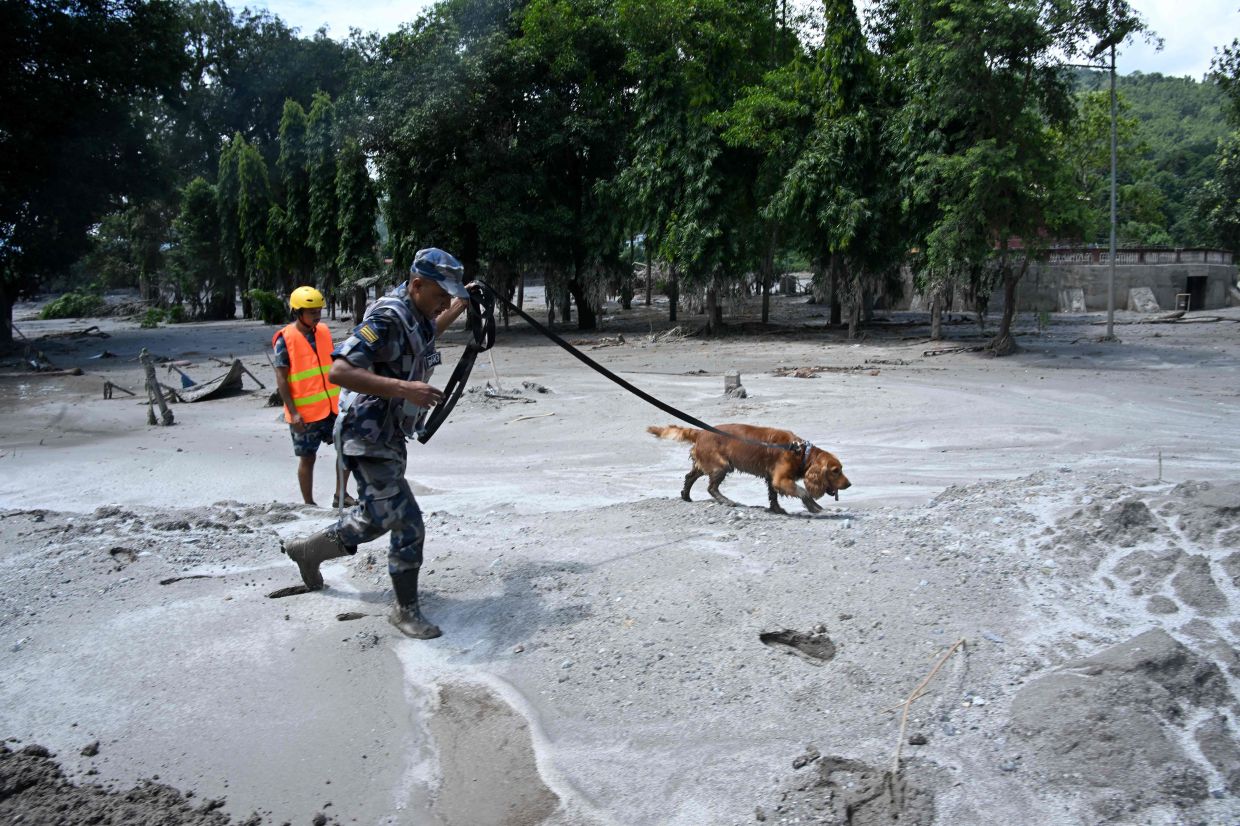
The Nepal-Tibet border region is reeling from a catastrophic natural disaster that has claimed at least 392 lives and left more than 1,400 people unaccounted for following severe flash floods and landslides. The scale of the humanitarian crisis continues to unfold across the mountainous terrain, with authorities from multiple countries racing to locate their missing nationals and assess the full extent of the damage.
The figures released by rescue authorities remain fluid, a reality that reflects the complexity of responding to major disasters in remote, challenging geography. Accounting discrepancies are inevitable in such circumstances, arising from several interconnected factors. Double-counting of individuals who hold citizenship in multiple nations, the painstaking process of matching recovered bodies with those reported missing, and the general confusion inherent in large-scale emergencies can all cause casualty and missing-person counts to shift both upward and downward over time. Officials have cautioned that final tallies may differ substantially from current assessments.
Nepali authorities reported 910 unaccounted individuals as of Thursday, 27 August, including at least 517 foreign nationals whose specific nationalities remained unspecified at that point. Across the border in Tibet, China's official count listed 558 missing people, of whom 260 were foreigners. When combined, the total missing across both sides of the international border reaches 1,468 individuals. This international dimension underscores how a localized environmental catastrophe in one region has created a multinational crisis demanding coordinated humanitarian response.
The Nepal Tourism Board provided its own accounting of missing tourists and travellers on Thursday, identifying 667 individuals unaccounted for. Within this cohort, 127 were Nepali nationals, with the remainder being international visitors caught in the disaster zone when conditions deteriorated rapidly. The discrepancy between the tourism board's figures and those from Nepal's disaster agency reflects different methodologies for tracking the missing and highlights the challenge of obtaining comprehensive information in real time across dispersed locations.
Disparities between Chinese and Nepali counts regarding Chinese nationals illustrate the complexity further. China's foreign ministry stated that nearly 100 Chinese citizens were among the missing in Nepal, yet the Nepal Tourism Board's records showed only 24 Chinese unaccounted for on the Nepali side. This variance may reflect ongoing efforts to verify citizenship status and reconcile duplicative reporting. Additionally, the 558 individuals listed as missing on the Chinese side of the border includes 260 foreign nationals whose presence in those areas was compounded by the geographic and administrative divide between the two nations.
The disaster has affected citizens from countries across Asia, Europe, North America, Africa and Oceania. India has reported 178 missing nationals, with an additional 11 having been rescued from the affected areas. The United States State Department confirmed 90 American citizens unaccounted for, noting that three had been safely retrieved and that no US deaths had been confirmed, though the Nepal Tourism Board had separately estimated 65 missing Americans. Ukraine's foreign ministry reported 56 citizens listed as "out of contact," emphasising that no Ukrainians had been confirmed among the injured or deceased at that stage.
For Malaysian readers, the crisis carries particular resonance. Prime Minister Anwar Ibrahim stated on Thursday that more than 50 Malaysians in Nepal remain unreachable. The Nepal Tourism Board's separate count placed the figure at 51 missing Malaysians, suggesting that Malaysian nationals comprised a significant portion of the international tourist presence in the region. This figure reflects the popularity of Nepal as a trekking and tourism destination for Malaysians, particularly during peak climbing seasons when expeditions to high-altitude areas are common. The missing Malaysians underscore Southeast Asia's connectivity to Nepal's tourism infrastructure and the region's vulnerability when natural disasters strike popular travel corridors.
Other nations with substantial missing populations include Australia, with 39 nationals unaccounted for according to Foreign Minister Penny Wong's statement on Friday. The United Kingdom reported 33 missing citizens, while Canada's Foreign Minister Anita Anand stated that 30 Canadians and permanent residents had unconfirmed whereabouts across Nepal and Tibet. South Korea reported nine hydropower workers missing in the Rasuwa district, though four South Koreans had subsequently been rescued. These figures highlight how the disaster zone encompassed both leisure tourists and workers engaged in infrastructure projects, suggesting the floods' impact extended across multiple sectors and communities.
Smaller contingents of missing nationals from numerous countries paint a picture of the disaster's truly international scope. Nine Singaporeans remained unaccounted for, while Australia and Canada both grappled with significant missing-person cases. Germany reported eight missing citizens, Russia eight unaccounted for with two rescued, and New Zealand reported five missing nationals. Smaller numbers from South Africa, Latvia, Japan and France—six, six, five and four respectively—demonstrate that the flooding affected visitors and residents from virtually every inhabited continent.
The international response and ongoing search operations reflect the complexity of coordinating rescue efforts across national borders in challenging terrain. Each country has mobilized diplomatic channels and rescue resources, yet the remote nature of the Nepal-Tibet border region constrains accessibility and communication. Authorities must contend not only with locating missing individuals but also with verifying identities, facilitating repatriation of deceased nationals, and providing consular support to affected families scattered across the globe. The disaster has exposed the vulnerability of popular trekking routes and tourism zones to extreme weather events, prompting renewed scrutiny of disaster preparedness in remote mountainous regions where international travellers congregate.
For Nepal and the broader South Asian region, the disaster represents a significant humanitarian and economic challenge. The country's tourism sector, a major source of foreign exchange and employment, faces reputational damage and immediate operational disruptions. Search and recovery operations will likely extend for weeks, during which the final death toll and confirmed-missing counts will crystallize. The international attention surrounding the missing nationals from dozens of countries ensures that global media scrutiny and diplomatic pressure will remain focused on Nepal's relief efforts, recovery timeline and long-term measures to mitigate similar disasters.

