Negeri Semilan's PKR leadership has formally passed its slate of prospective candidates to the party's central hierarchy, setting the stage for the coalition's campaign in the state election scheduled for August 1. The submission marks a critical juncture in the Pakatan Harapan's preparation efforts across the state, as the three-coalition partners race to finalise their respective nomination strategies ahead of the July 18 nomination deadline.
Datak Seri Aminuddin Harun, who chairs both the state PKR division and the Pakatan Harapan coalition at the state level, disclosed that the party's nomination process has involved substantial deliberation on candidate diversity. Each of the 16 constituencies PKR will contest features between three and five nominees, reflecting an intentional approach to balancing demographic representation within the party's competitive pool. The expanded shortlists encompass women candidates, younger political aspirants, and seasoned party veterans, suggesting internal efforts to broaden the coalition's electoral appeal across generational and gender lines.
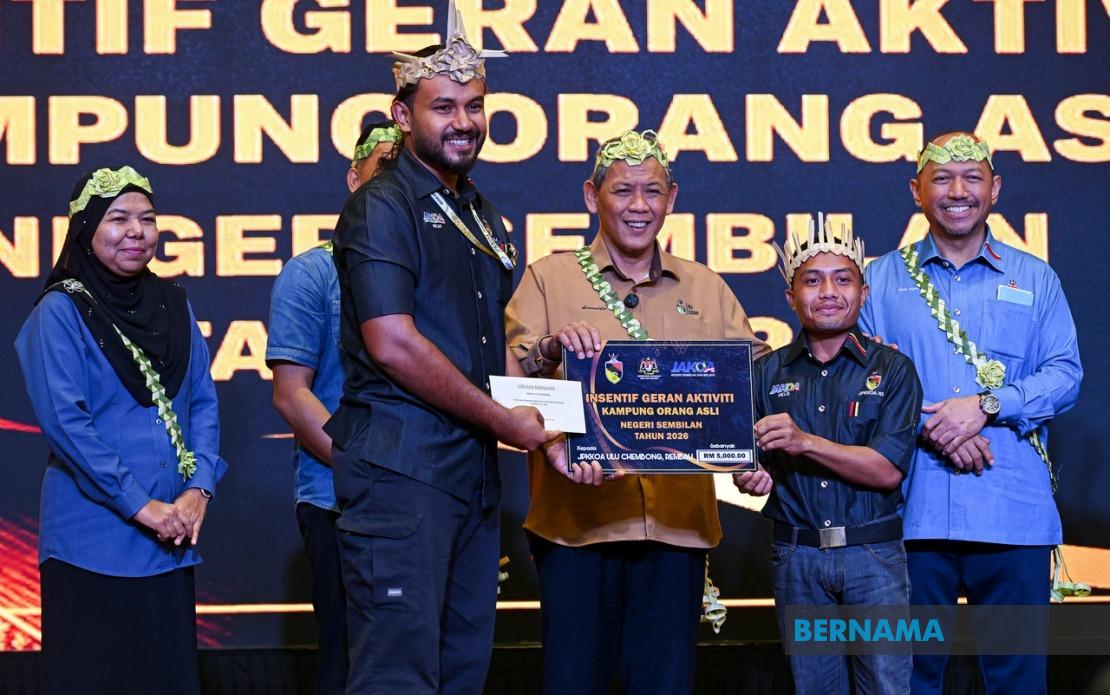
The Menteri Besar's comments, delivered during the presentation of a RM415,000 grant to Orang Asli village initiatives in Seremban, underscored PKR's readiness to move forward with formal candidate announcements. However, he indicated that the timing of public disclosure remains coordinated with the concurrent candidate finalisation efforts of the Pakatan Harapan's other component parties, DAP and Amanah. This interdependency reflects the coalition's established protocol for managing multi-party candidate allocations in states where the three organisations share contest responsibilities.
The underlying seat distribution agreed upon in June establishes the tactical framework within which these nominations operate. Out of Negeri Semilan's 36 state assembly constituencies, PKR will field candidates in 16 seats, DAP in 11, and Amanah in the remaining nine. This allocation, announced by Aminuddin on June 13, represents the outcome of prior coalition negotiations and reflects each party's organisational strength and strategic priorities within the state's political landscape. The arrangement leaves no uncontested seats, signalling the coalition's ambition to maximise its representation across all constituencies.
Aminuddin's confidence that DAP and Amanah have similarly progressed with their internal selection processes suggests momentum within the Pakatan Harapan machinery at the state level. Coordination between the three parties on candidate announcements—whether staged jointly or sequentially—will likely influence voter perception of coalition unity and preparation heading into the campaign period. Any perceived discord or delays in this process could invite scrutiny from both opposition political rivals and sections of the electorate evaluating the coalition's internal cohesion.
The electoral timeline compressed into the coming weeks reflects Malaysia's electoral system requirements. The Election Commission has set July 18 as nomination day, providing candidates roughly two and a half weeks from the candidate submission deadline to prepare their official filings. Early voting has been scheduled for July 28, a development that could benefit parties with better-organised logistics and voter mobilisation capacity. This compressed schedule creates pressure on all parties to finalise their candidate rosters swiftly and begin campaigning almost immediately after formal nominations are accepted.
For PKR specifically, the nomination exercise carries implications beyond Negeri Semilan's borders. As the largest component of the Pakatan Harapan coalition and the dominant party within federal government, PKR's candidate selection processes are monitored as indicators of the coalition's broader health and strategic direction. The inclusion of multiple nominees per seat, particularly emphasis on women and younger candidates, aligns with stated party positions on diversity and renewal—messaging that carries resonance among urban and younger voter demographics whom Pakatan Harapan has cultivated as core support bases.
The Orang Asli grant announcement during Aminuddin's statement to media reflects a simultaneous governance and political strategy. While the RM415,000 allocation addresses genuine community needs in indigenous settlements across the state, the timing of the announcement alongside candidate finalisation discussions serves as a reminder of PKR's incumbent administrative capacity. For a state government seeking re-election, visible delivery of promised resources and programmes constitutes essential campaign narrative material, particularly in constituencies where Orang Asli voter concentrations represent significant electoral blocks.
The composition of candidate shortlists—specifically the emphasis on ensuring three to five nominees per constituency—suggests PKR's recognition that internal party competition for nominations remains vigorous in many constituencies. Maintaining multiple credible candidates throughout the selection process allows the party to retain flexibility in final decisions while managing factional sensitivities within the broader membership. This approach also enables the central party leadership to apply strategic input on seat allocation, ensuring that candidates selected align with the coalition's broader campaign strategy and resource distribution objectives.
From a broader Southeast Asian perspective, PKR's nomination procedures reflect patterns observed across Malaysia's coalition-based political system, where multi-party arrangements necessitate complex coordination mechanisms. The transparency around process—with party leaders publicly confirming that candidate lists have been submitted and announcement timelines are being coordinated—represents the institutionalised nature of Malaysian electoral management compared to less structured political environments. However, the actual identities of selected candidates and the internal dynamics that produced particular choices remain subject to speculation until formal announcements occur, leaving room for last-minute adjustments or surprises that could reshape electoral dynamics in specific constituencies.

