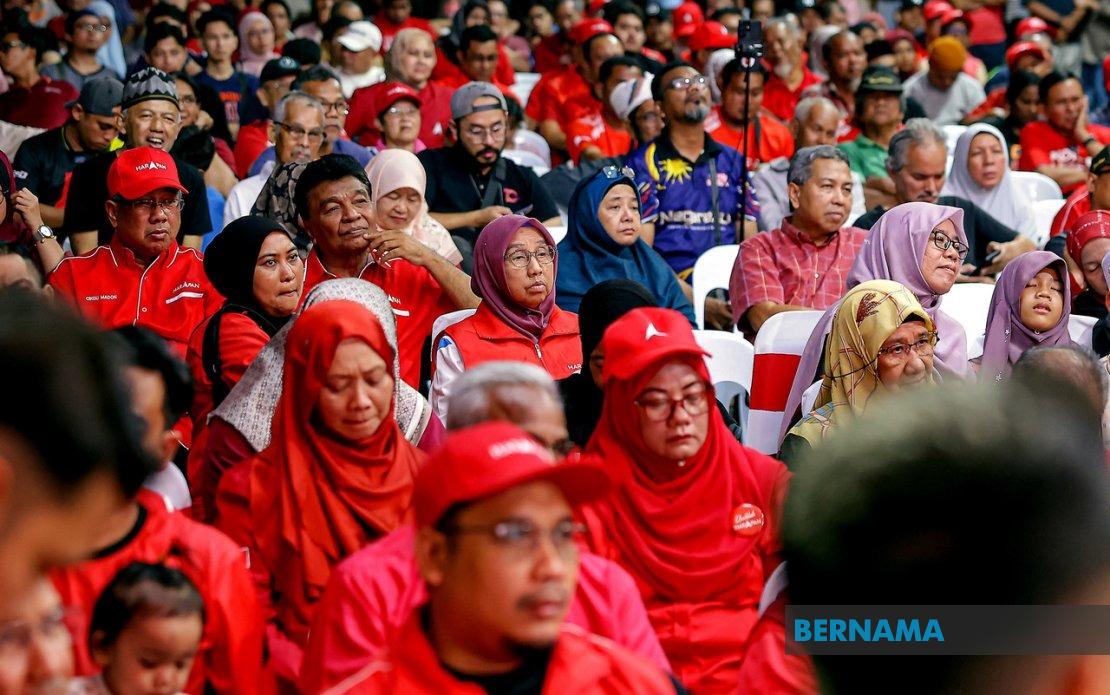
As the campaign for the 16th Negeri Sembilan state election enters its final week, an unmistakable message is resonating from the electorate in Seremban and beyond: voters are no longer satisfied with politicians who merely promise to represent them. Instead, they are demanding leaders who combine genuine approachability with a proven track record of delivering concrete improvements to their daily lives. According to findings from across the state, this sentiment transcends traditional party boundaries and reflects a fundamental shift in how ordinary Malaysians evaluate their political choices during this critical election cycle.
Those surveying the electoral mood found that voters increasingly distinguish between candidates who can simply articulate their constituents' concerns and those who possess both the capability and commitment to translate those concerns into actionable policy outcomes. This distinction reveals a sophisticated electorate that understands the difference between rhetorical sympathy and genuine problem-solving. Rather than viewing election time as a moment to make lofty promises, constituents now expect candidates to outline specific, implementable measures that address the tangible challenges they encounter in their homes and workplaces.
Kamarulzaman Ab Aziz, a 64-year-old retiree who spent his career in education, articulates what has become a widespread view among voters: geographical origin or local family connections carry far less weight than demonstrated approachability and authentic engagement. He emphasises that an outsider with genuine warmth and commitment to community service outshines a native candidate who maintains distance from those he or she represents. This perspective signals that voters have moved beyond parochial preferences and now apply a universal standard when evaluating leadership potential, fundamentally changing how candidates must position themselves to succeed.
The cost of living crisis dominates discussions across Negeri Sembilan, particularly among small business operators and traders who face relentless pressure from rising input costs. Nurulainee Hamidon, a 37-year-old food trader operating in Linggi and Port Dickson, describes the impossible calculus facing her sector: procurement expenses climb steadily, yet raising retail prices triggers customer backlash. This squeeze on merchants reflects a broader economic anxiety affecting ordinary families attempting to stretch household budgets amid persistent inflation. For Hamidon and countless others like her, the election represents an opportunity to select representatives who prioritise practical relief measures rather than sympathetic speeches about economic hardship.
Rural development represents another pressing concern that threatens to fracture electoral support unless addressed comprehensively by the incoming government. M. Manisha, a 38-year-old housewife in one of the state's estate communities, warns that marginalised populations risk being overlooked when development frameworks are conceived in urban contexts without proper consultation. She advocates for inclusive planning mechanisms that ensure residents in peripheral areas benefit equitably from infrastructure investment and economic opportunities. This concern underscores how rapidly Malaysia's development agenda can inadvertently deepen geographic inequality when policymakers fail to deliberately incorporate voices from outlying settlements.
Young voters entering the electoral process for the first time bring distinct priorities shaped by their experience of an uncertain job market. Mohammad Najmi Aiman, a 22-year-old college student voting in the Paroi constituency, emphasises the need for employment strategies that bridge the persistent gap between advertised positions and genuine opportunity. He and his generational cohort confront an employment landscape where qualifications no longer guarantee adequate compensation, a reality that demands policy innovation rather than reliance on outdated labour market mechanisms. The incoming state administration will need to demonstrate how it intends to address this skills-to-remuneration misalignment that is increasingly pushing capable young Malaysians to consider opportunities beyond their home state.
Campaign conduct itself has emerged as an issue for discerning voters who recognise that the manner in which political parties conduct themselves during elections shapes governance culture. Lim Kian, a 43-year-old private sector employee based in Port Dickson, advocates for political maturity and constructive competition, warning against the corrosive effects of personal attacks and negative messaging that dominate portions of contemporary Malaysian campaigning. His perspective reflects broader voter fatigue with campaigns characterised by character assassination and divisive rhetoric, suggesting that candidates who maintain dignified conduct and focus on substantive policy distinctions may generate goodwill that extends beyond election day.
The Electoral Commission has registered 889,490 eligible voters for this election, a figure composed of 867,151 regular voters alongside 16,884 military personnel and their families and 5,455 police officers and their families. This substantial electorate will select representatives across 36 seats contested by 103 candidates, a ratio suggesting that many constituencies feature closely matched contests where voter preferences could shift dramatically based on campaign effectiveness. The inclusion of military and police voters, while numerically modest, reflects Malaysia's constitutional framework recognising that uniformed personnel require voting mechanisms accommodating their service commitments.
Early voting is scheduled for July 28, providing an additional opportunity for eligible voters to participate before the primary polling day on August 1. This two-stage voting arrangement acknowledges practical realities facing voters with commitments preventing them from voting on the main election date. The decision to facilitate early voting demonstrates electoral administration that prioritises accessibility, a value that state candidates themselves would be wise to emulate during their engagement with constituents. As the campaign concludes and voters prepare to exercise their franchise, the cumulative message from across Negeri Sembilan is clear: they are selecting leaders measured not by campaign rhetoric but by demonstrable commitment to addressing lived experience and concrete delivery of tangible improvements.

