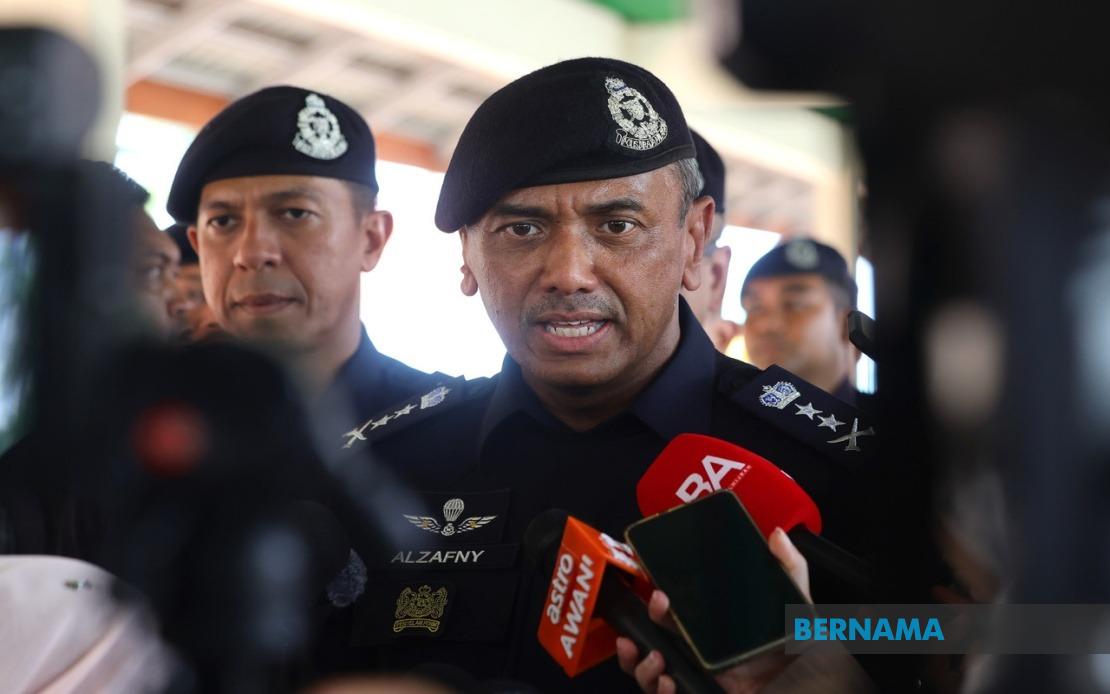
The nomination phase for Negeri Sembilan's 16th state election unfolded without disruption on July 18, as candidates formally entered the race across eight designated centres throughout the state. According to the state police leadership, the day's proceedings demonstrated the effective coordination between election authorities and security forces, with supporters from competing parties adhering to established protocols and maintaining an atmosphere conducive to the electoral process.
State police chief Datuk Alzafny Ahmad characterised the morning's activities as orderly, emphasising that party representatives and their backers cooperated fully with law enforcement directives throughout the nomination period. The police assessment suggests that despite the potential for tensions inherent in electoral contests, the day's events reflected the professionalism of both organisers and participants. The commitment to maintaining decorum at nomination centres represents a foundation upon which subsequent campaign activities will be judged.
Participation levels varied considerably across the eight nomination centres, revealing disparities in organisational capacity and grassroots mobilisation among competing parties. The Jempol centre witnessed the strongest turnout, attracting approximately 2,500 supporters collectively from all contesting parties, while Kuala Pilah recorded notably lower engagement with roughly 1,000 attendees. The remaining six centres fell within the 1,000 to 2,500 supporter range, indicating that most venues experienced moderate but respectable levels of party activism and citizen participation in the democratic process.
To ensure the smooth execution of nomination proceedings and broader election administration, authorities deployed a substantial security apparatus. A total of 2,373 police officers and personnel were stationed across the nomination centres to provide security oversight and manage vehicular and pedestrian traffic. This deployment reflects the government's commitment to creating a secure environment for the electoral process while minimising logistical disruptions. The scale of the police presence underscores the seriousness with which Malaysian authorities approach the management of state-level elections.
Beyond logistics, police leadership took the opportunity to issue explicit guidance to candidates regarding the bounds of acceptable campaign conduct. Datuk Alzafny Ahmad urged all contesting parties to scrupulously avoid campaign messaging that touches upon the three sensitive domains commonly referenced as the 3Rs—religion, royalty, and race. These topics carry heightened significance in Malaysia's multicultural context, where statements perceived as provocative or inflammatory can rapidly escalate social tensions. The police directive reflects institutional concern about electoral campaigns that might exploit religious sentiments, challenge the constitutional position of the monarchy, or inflame communal divisions.
The police also cautioned candidates against deploying rhetoric designed to provoke, incite, or denigrate opponents in ways that could foment interethnic or interreligious discord. This guidance acknowledges the reality that electoral competition can occasionally incentivise divisive messaging unless constrained by clear enforcement expectations. By articulating these boundaries explicitly and publicly, the police signalled that violations would be taken seriously during the campaign period. Such preventive communication serves as an important tool for maintaining electoral integrity and social cohesion.
Campaign discourse, police officials suggested, should instead concentrate on articulating each party's policy strengths and programmatic advantages rather than on personal attacks or inflammatory appeals. This constructive approach to campaigning reflects best practices in democratic societies where substantive policy competition supersedes identity-based or sensationalist messaging. For Malaysian voters, the distinction carries considerable weight; campaigns focused on governance capacity and policy platforms provide better information for electoral decision-making than campaigns centred on provocation or prejudice.
Candidates were additionally reminded that they must comply with all regulations governing the campaign period, including seemingly mundane requirements such as wearing safety helmets when riding motorcycles through villages and residential areas. This reminder demonstrates the comprehensive nature of electoral oversight in Malaysia, where compliance extends to everyday conduct and public safety standards. The seemingly minor point illustrates the broader principle that candidates, as public figures during election campaigns, remain subject to the same legal obligations as ordinary citizens and must model lawful behaviour.
To enforce compliance and monitor adherence to campaign regulations throughout the election cycle, the police announced that they had established specialised monitoring teams in coordination with the Election Commission. These joint operations teams represent a collaborative approach to election administration, ensuring that regulatory breaches are identified promptly and addressed through appropriate mechanisms. The existence of these monitoring frameworks should provide reassurance to voters and candidates alike that the electoral process operates under systematic oversight.
The Election Commission has established August 1 as the definitive polling date for the Negeri Sembilan state election, with early voting scheduled for July 28. These dates provide candidates with a compressed campaign window spanning approximately two weeks from the nomination process, during which all regulatory requirements and conduct expectations will apply. The election timeline underscores the urgency of the campaign period and the importance of police and Election Commission coordination during these critical weeks preceding the vote.

