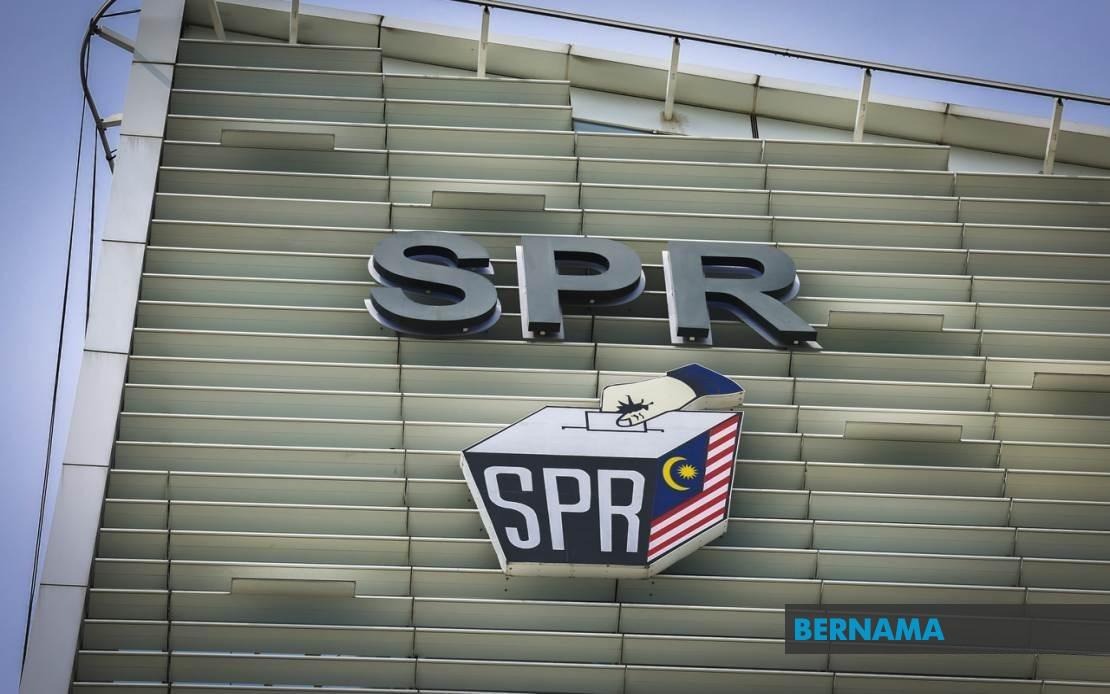
Tomorrow marks the official commencement of Negeri Sembilan's 16th state election campaign, as nomination day brings prospective candidates to eight centres across the state to file their candidacy papers. This critical juncture opens a 14-day sprint towards the August 1 polling day, with early voting opportunities available on July 28. The Electoral Commission has registered 889,490 eligible voters in the state, a figure that encompasses 867,151 ordinary voters alongside 16,884 military personnel with their spouses and 5,455 police personnel with their spouses, underlining the broad participatory base for this election.
Nomination submissions will occur within a narrow window on July 18, between 9 am and 10 am at the eight designated centres scattered throughout the state. Returning officers will subsequently announce the final roster of candidates authorised to contest, rendering this day the pivotal moment when the true contours of the electoral battle become visible. The tight administrative schedule reflects the Election Commission's commitment to maintaining efficiency whilst ensuring all procedural safeguards are observed.
Pakatan Harapan enters this contest with ambitions to defend and potentially expand its position, fielding candidates in every single seat. The coalition's distribution reflects careful internal negotiations: PKR contributes 16 candidates, DAP brings 11, and Amanah rounds out the slate with nine hopefuls. This comprehensive coverage underscores PH's determination to contest competitively across all demographic and geographic segments of Negeri Sembilan's electorate.
Barisan Nasional, seeking to reclaim ground lost in the previous election, will deploy 25 candidates across the 36 constituencies. The coalition's composition reveals UMNO's traditional dominance within the broader alliance structure, fielding 16 candidates, whilst MCA contributes seven and MIC fields two representatives. This allocation suggests a strategic focus on certain constituencies deemed winnable or defensible for the coalition.
Perikatan Nasional presents a more fragmented picture, contesting only 11 seats through a coalition of five parties. PAS will field five candidates, whilst Gerakan and the Malaysian Indian People's Party (MIPP) each nominate one representative. Most notably, Parti Wawasan Negara, the newest component of Perikatan Nasional, makes its electoral debut by fielding four candidates. This expansion of Perikatan Nasional's roster highlights the coalition's attempt to broaden its appeal, though the limited seat coverage suggests a consolidation strategy rather than an aggressive push.
Bersatu's decision to contest independently using its own party symbol adds an additional layer of complexity to the electoral landscape. Having previously aligned with Perikatan Nasional, this manoeuvre signals potential internal tensions within that coalition and reflects Bersatu's calculation that it can pursue greater autonomy and electoral appeal by standing separately. The party's candidacy list was anticipated to emerge immediately following the publication of other coalition rosters.
Smaller parties contribute to the democratic pluralism of this election. Parti Orang Asli Malaysia and Parti Sosialis Malaysia each field a single candidate, whilst Parti Barisan Jemaah Islamiah Se-Malaysia is expected to contest seven seats, attempting to capture support from specific voter segments. Conversely, Parti Pejuang Tanah Air, Parti Bersama Malaysia and the Malaysian United Democratic Alliance have signalled they will not participate in this particular election, choosing instead to conserve resources or focus on other political terrain.
The Election Commission has issued practical guidance to prospective candidates, encouraging them to verify their nomination papers in advance at the Returning Officer's Office or State Election Office. This preventive approach aims to minimise last-minute complications that could invalidate nominations. Additionally, candidates are advised to settle their election deposits ahead of nomination day, a measure designed to expedite the submission process and reduce administrative friction when queues form at the nomination centres.
Weather forecasts issued by the Malaysian Meteorological Department predict generally favourable conditions across most of Negeri Sembilan on Saturday morning, though Port Dickson and Seremban may experience rainfall. The meteorological department projects thunderstorms will develop during afternoon hours throughout the state. These weather patterns carry practical implications for nomination proceedings, potentially affecting turnout at nomination centres and the general campaign atmosphere as parties prepare their opening messages.
Context from the previous state election in 2023 reveals the competitive dynamics that will resurface in this contest. Pakatan Harapan emerged as the largest force with 17 seats, Barisan Nasional secured 14, and Perikatan Nasional won five. These results provided PH with a working majority, though the opposition's combined strength remained substantial. The current electoral battle will test whether these dynamics have shifted meaningfully during the intervening period, as voter sentiments may have evolved in response to state government performance, federal political developments, and local issues particular to Negeri Sembilan's constituencies.
The dissolution of the Negeri Sembilan State Legislative Assembly on June 5, approved by Tuanku Muhriz Tuanku Munawir, the Yang Dipertuan Besar of Negeri Sembilan, has set this entire electoral process in motion. This constitutional step cleared the path for a fresh mandate election, resetting the political clock and presenting all parties with an opportunity to contest for representation in the state assembly. For Malaysian observers tracking regional political trends, this election serves as an important indicator of voter sentiment and coalition dynamics beyond the federal realm, potentially offering insights into how political alliances are evolving across different levels of governance.

