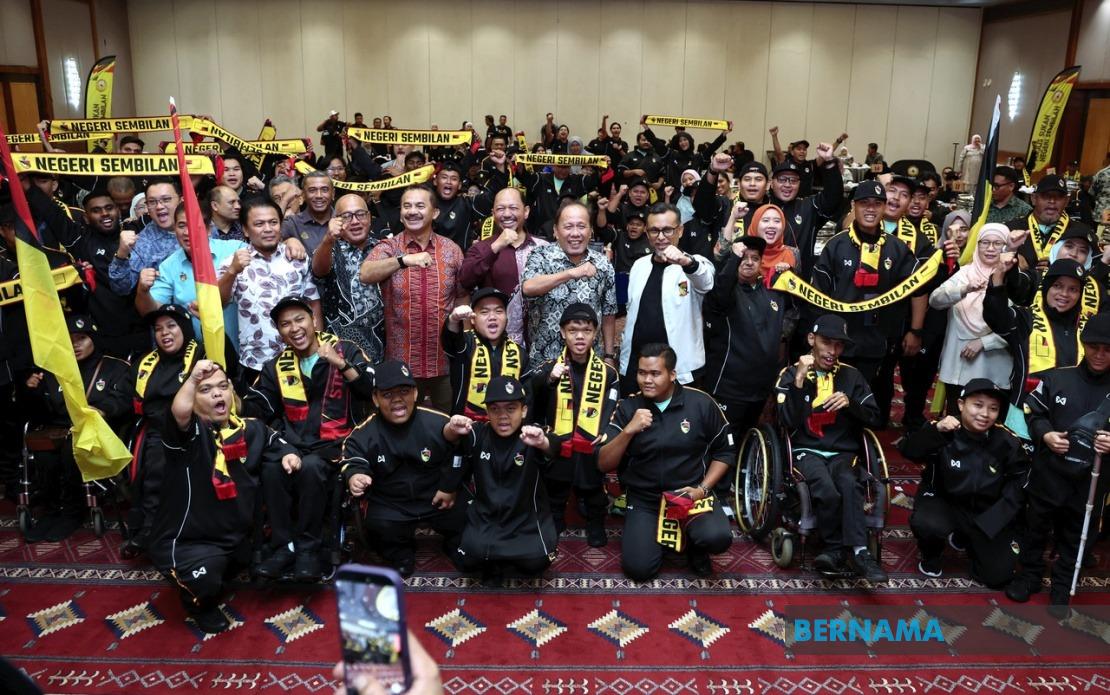
Negeri Sembilan is banking on its para athletes to deliver 12 gold medals at the 2026 Para Malaysia Games (Para SUKMA) in Selangor, which kicks off on September 5. The state will deploy 80 competitors across various disability classifications in what state leadership views as a critical opportunity to restore confidence following lackluster results at the regular SUKMA 2026 competition, which concluded earlier this week. Menteri Besar Datuk Ismail Lasim unveiled the medal target during a flag handover ceremony held in Seremban, emphasising that the goal represents far more than arbitrary numerical ambition.
The emphasis placed on this para sports competition reflects a growing recognition across Malaysia that disability athletes represent an underutilised reservoir of sporting talent and national pride. For Negeri Sembilan specifically, the regular SUKMA campaign delivered considerable disappointment. The state's contingent managed only seven gold medals from a total haul of 48 medals, a substantial decline from SUKMA 2024 when it earned 19 golds alongside 56 total medals. This deterioration has prompted state officials to redirect focus and resources toward para sports as a pathway for restoring the state's competitive standing within the national games framework.
Datuk Ismail framed the 12-gold target as emblematic of the preparation and sacrifice invested by athletes during their training cycles. He articulated confidence in the contingent's readiness across all dimensions of competition, from technical skill development to mental resilience. The Menteri Besar emphasised that each para athlete embodies an exceptional competitive drive capable of reversing recent setbacks and elevating Negeri Sembilan's reputation. His public backing carries practical weight, as the state government has committed to providing monetary incentives for medallists, a tangible investment signalling serious commitment to medal performance.
Negeri Sembilan's recent track record at Para SUKMA competitions provides grounds for measured optimism regarding the 12-gold objective. At the 2024 Para SUKMA Games held in Sarawak, the state's para athletes performed substantially better than their able-bodied counterparts, securing 14 gold medals alongside 19 silver and 20 bronze medals. This 53-medal aggregate represented a more robust showing than the regular SUKMA effort, suggesting that para sports may align better with current athlete development patterns or coaching effectiveness within the state's sporting infrastructure. The 2024 performance thus anchors expectations for 2026, though the revised downward target to 12 golds from 14 acknowledges either changed competitive conditions or deliberate conservative calibration.
The Para SUKMA Games occupy an increasingly important position within Malaysia's sporting calendar and development ecosystem. These competitions provide crucial international exposure and high-level competition opportunities for para athletes who might otherwise face limited platforms for demonstrating capability. For states like Negeri Sembilan, Para SUKMA represents a venue where focused investment in athlete support and coaching can yield measurable national recognition. The games also serve developmental functions, identifying emerging talent and testing innovations in coaching methodology that may subsequently benefit able-bodied sports programmes.
Southeast Asian regional context adds further dimension to Negeri Sembilan's para sports ambitions. As Malaysia positions itself as a regional sporting hub and advocate for inclusive competition standards, state-level performance at Para SUKMA contributes to national narratives around accessibility and equal opportunity in sport. Strong results from states like Negeri Sembilan reinforce messaging about disability sports integration and help establish benchmarks against which other regional competitors may be measured in future international para sporting events.
The state's medal distribution strategy and athlete preparation protocols have drawn attention from sports administrators overseeing Para SUKMA organisation. State Youth and Sports Development Action Committee chairman Datuk Mustapha Nagoor and Negeri Sembilan Sports Council director Marhizah Abdul Razak participated in the flag handover ceremony, indicating institutional coordination around the Para SUKMA campaign. This administrative engagement suggests systematic planning rather than ad-hoc participation, potentially involving specialised coaching arrangements, equipment procurement, and psychological support systems tailored to para athlete requirements.
For Malaysian readers, Negeri Sembilan's para sports campaign illustrates broader national conversations around disability inclusion and athletic representation. The state's willingness to publicly commit to specific medal targets demonstrates evolving attitudes toward para competition credibility and legitimacy. Where para sports once occupied marginal status within state sporting hierarchies, explicit medal targeting now positions these competitions as central to state sporting identity and competitive standing. This shift has implications for resource allocation, coaching development, and talent identification systems across Malaysian state sports organisations.
The psychological dimension underlying the 12-gold target merits careful consideration. Following regular SUKMA disappointment, state officials and athletes face genuine pressure to demonstrate competitive capability. Para SUKMA provides an immediate redemptive opportunity, yet also introduces risk if performance falls short of stated objectives. Managing expectations while maintaining athlete confidence represents a delicate balance requiring sophisticated sports psychology support. Negeri Sembilan's confidence expressions suggest internal assessments indicate genuine medal potential, though external observers will closely monitor whether predictions align with competition results beginning September 5.

