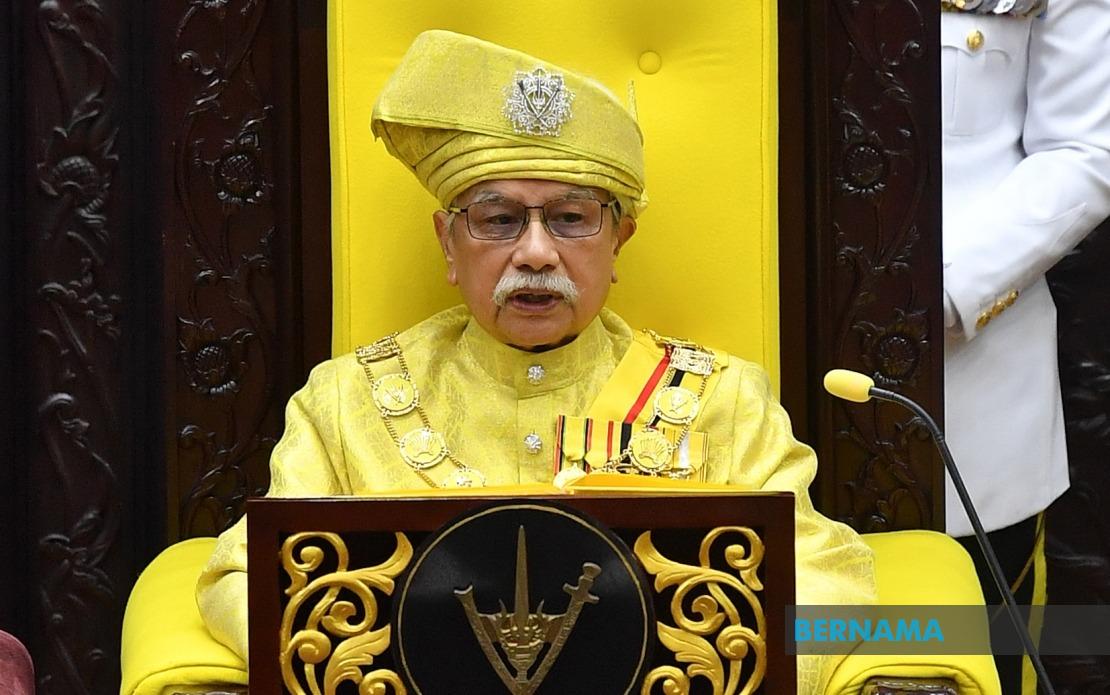
The Yang Dipertuan Besar of Negeri Sembilan, Tuanku Muhriz Tuanku Munawir, has agreed to conduct a formal royal audience ceremony this Saturday at Istana Besar Seri Menanti to formalise the installation of Hassan Ab Hamid as the 22nd Undang of Luak Rembau. The royal consent was announced through Tunku Besar Seri Menanti, Tunku Ali Redhauddin Tuanku Muhriz, during his meeting with the adat leaders of Rembau at the palace on June 25.
The 67-year-old Hassan Ab Hamid was selected through established customary procedures unique to Negeri Sembilan's distinctive governance structure. His appointment follows the passing of his predecessor, Datuk Lela Maharaja Datuk Muhamad Sharip Othman, who died on May 15, 2024, at the age of 83. The process of identifying and installing a new Undang represents a significant cultural and administrative moment for the Rembau luak, one of the historic territorial divisions in Negeri Sembilan.
During the palace gathering, Tunku Ali Redhauddin conveyed his father's formal blessing for the Istiadat Menghadap Menjunjung Duli ceremony, the traditional protocol through which the Undang's installation is solemnised. He instructed the adat leaders to coordinate further ceremonial details with the Orang Empat Istana, a group responsible for overseeing palace protocols and customs matters. His statement acknowledged that the selection process had been conducted in strict accordance with established Rembau traditions and practices.
What distinguishes Negeri Sembilan's system from other Malaysian states is the nature of the Undang's appointment process. Datuk Juan Datuk Zulkipli Shamsudin, who chairs the Kerapatan Buapak Delapan ceremony for the Biduanda Nan Dua Carak customary clan, clarified that under the Adat Perpatih system, the Yang Dipertuan Besar does not directly appoint an Undang. Rather, the ruler receives representatives from the luak and grants formal recognition to a decision already reached by the community through its customary processes. This represents a genuinely participatory system where local adat authority genuinely precedes and shapes royal recognition.
This distinction carries real significance for understanding governance in Negeri Sembilan. Unlike appointment procedures in other Malaysian states where the ruler typically exercises direct discretionary power, the Adat Perpatih tradition reserves genuine selection authority to the customary leaders and community representatives within each luak. The Yang Dipertuan Besar's role is ceremonial and confirmatory rather than substantive and discretionary. Zulkipli emphasised that any mischaracterisation of this process as direct royal appointment misunderstands centuries-old adat principles that have governed the state's internal political structure.
The Adat Perpatih system itself merits attention for Malaysian readers unfamiliar with Negeri Sembilan's unique constitutional position. Unlike the Adat Temenggong system practised in Pahang and other Malay states, Adat Perpatih emerged from matrilineal principles and collective decision-making structures that predate colonial and modern state formation. The system emphasises consensual rather than hierarchical authority, with the luak operating as semi-autonomous customary units. This reflects historical settlement patterns and clan structures among Minangkabau-influenced communities who established themselves in the region centuries ago.
The Saturday ceremony will represent the formal public recognition of a transition process that has been unfolding since the former Undang's passing last May. The installation ceremony carries both symbolic and practical significance, as the Undang functions as the primary custodian of adat traditions within the luak, responsible for settling customary disputes, overseeing land rights according to traditional law, and maintaining cultural practices. Hassan Ab Hamid's appointment thus places him in a position of considerable authority within Rembau's community governance structures, even if formal state recognition flows through the Istana.
For regional observers, this process illustrates how Malaysia's constitutional monarchy operates at the intersection of formal state authority and deeply embedded customary systems. Rather than hierarchical uniformity across all states, Malaysia's federal structure accommodates distinctive local governance traditions where they have deep historical roots. Negeri Sembilan's continued reliance on Adat Perpatih, even after modern state formation and federal integration, represents a deliberate preservation of indigenous governance principles within the broader Malaysian framework.
The ceremony's timing, coming more than a year after the previous Undang's death, reflects the measured pace at which customary selection processes typically unfold in Rembau. The intervening months allowed community members to discuss candidates, consult with adat experts, and build consensus around the selection. This extended timeline contrasts sharply with modern administrative appointment procedures, which typically occur rapidly. Yet for adat processes fundamentally rooted in community consensus-building, such deliberation ensures that the selected Undang enjoys genuine legitimacy among those he will serve.
The Istiadat Menghadap Menjunjung Duli ceremony itself carries ceremonial language and protocols reflecting Negeri Sembilan's fusion of Malay-Muslim state traditions with distinctly local adat elements. The phrase references both the customary act of seeking royal audience and the formal recognition of the Undang's investiture. This Saturday's gathering will draw adat leaders, community representatives, and state officials to witness the public formalisation of a transition that has already occurred within customary structures.
For Hassan Ab Hamid, the appointment represents both honour and substantial responsibility. As Undang, he becomes the principal guardian of Rembau's adat customs, arbiter of traditional disputes, and representative of his luak's interests in broader Negeri Sembilan governance contexts. The role demands deep knowledge of customary law, community relationships spanning decades, and the diplomatic skill to navigate between traditional adat authority and modern state administration. His selection by the community suggests recognition of these qualities among those who know him and Rembau's customary traditions most intimately.
The formalisation of this appointment also carries implications for how Negeri Sembilan's distinctive governance model adapts to contemporary pressures and modernisation. As Malaysia's urban and economic development intensifies, maintaining customary authority structures requires both community commitment and official recognition. The Yang Dipertuan Besar's participation in the Saturday ceremony affirms that the state's formal leadership remains invested in supporting and honouring these traditional systems, even when modern administrative tendencies might marginalise them.
Looking ahead, Hassan Ab Hamid's tenure will test how effectively the Adat Perpatih system continues to serve Rembau's needs in an increasingly urbanised and economically complex state. Whether the luak's customary authority can address contemporary land disputes, inheritance questions, and community governance challenges while maintaining its foundational principles will shape the future vitality of Negeri Sembilan's distinctive constitutional tradition. The Saturday ceremony marks not merely a personal transition but a moment of affirmation for a governance model that has survived centuries of external change.

