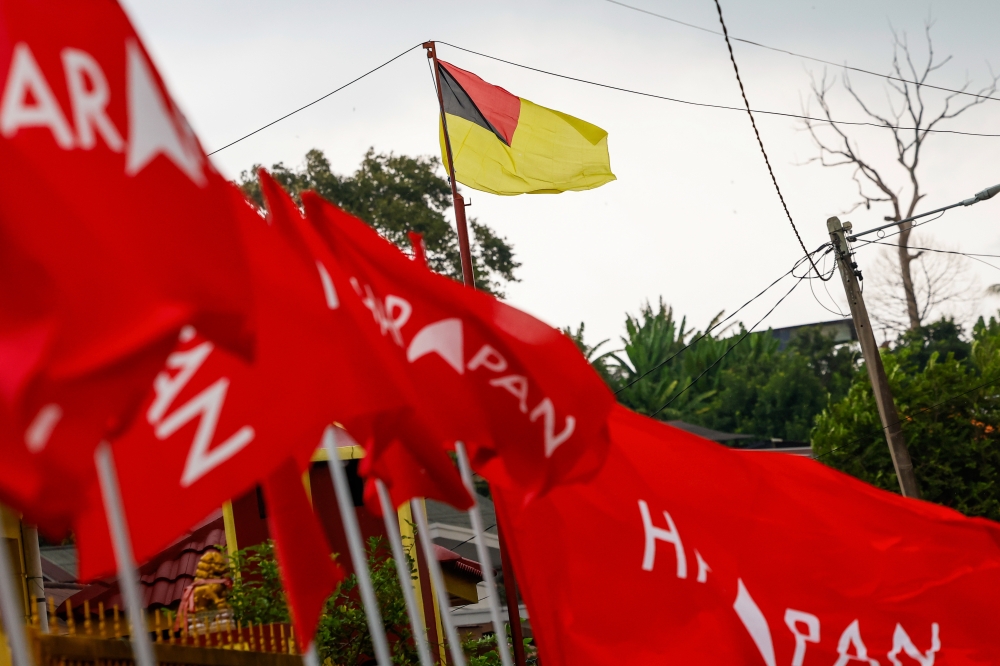
The Royal Malaysia Police's Negeri Sembilan division has launched a two-pronged investigation into separate incidents of property destruction that authorities believe were connected to electoral activities in the state. The decision to open dual investigation papers underscores law enforcement's heightened vigilance regarding campaign-related misconduct that extends beyond conventional electioneering into territory affecting public and private infrastructure.
Incidents of property damage during election periods have become a recurring concern for electoral authorities and law enforcement agencies across Malaysia. Such incidents range from defacing public infrastructure to vandalising campaign materials belonging to rival candidates or parties. The Negeri Sembilan police's action signals that investigations into these matters are being treated with appropriate seriousness rather than dismissed as minor infractions inherent to the electoral process.
The simultaneous filing of two investigation papers suggests a pattern or coordinated approach to identifying and addressing misconduct. When authorities discover multiple related incidents, the cumulative evidence often strengthens individual cases and can point toward networks of actors or systematic coordination. This methodical approach helps distinguish between isolated incidents and organised campaigns of disruption.
For Malaysian electoral stakeholders, property damage during campaigns presents a complex challenge. While campaign activities inevitably generate heat and passionate expressions of political preference, the destruction of property crosses into criminality that undermines democratic values. Communities expect election periods to showcase robust debate and grassroots engagement, not vandalism or intimidation through property destruction. The Negeri Sembilan police action affirms that such boundaries matter and will be enforced.
The investigation represents an important checkpoint in Malaysia's election management ecosystem. The Elections Commission, law enforcement, and other agencies share responsibility for ensuring campaigns remain competitive yet lawful. When police proactively investigate property damage rather than waiting for formal complaints, they signal institutional commitment to maintaining standards. This matters particularly in state-level elections where local communities are acutely aware of campaign dynamics.
Property damage during elections can disproportionately affect smaller stakeholders—independent candidates, grassroots movements, and community organisations that lack institutional resources to repair or replace damaged materials. Large, well-resourced political parties may absorb such losses more easily, while emerging political voices suffer greater impact. This equity dimension makes law enforcement action especially important for maintaining fair electoral conditions.
Negeri Sembilan's experience reflects broader Southeast Asian patterns. Across the region, election-related property damage occasionally accompanies campaigns in countries with intensely competitive political cultures. However, Malaysia's relatively mature democratic institutions and law enforcement apparatus have generally managed to keep such incidents within manageable bounds. The police response demonstrates these systems functioning as intended.
The investigation papers opened by Negeri Sembilan police will likely examine circumstances surrounding each incident, attempt to identify responsible parties, and build evidentiary cases that could support prosecution under relevant statutes. Investigators will interview witnesses, gather photographic or video documentation, and pursue forensic evidence where applicable. The seriousness with which such investigations are pursued sends important deterrent messages to potential offenders in future campaigns.
For political parties and candidates operating in Negeri Sembilan, the investigations serve as practical reminder that campaign conduct remains subject to legal constraints. While Malaysian political culture permits vigorous contestation and robust criticism, physical destruction of property remains beyond acceptable boundaries. Candidates and campaign managers bear responsibility for ensuring their supporters understand and respect these limits. Failure to exercise such restraint invites law enforcement scrutiny and potential legal consequences.
The opening of investigation papers also reflects evolving public expectations about campaign civility. Younger Malaysian voters, in particular, increasingly expect political competition to demonstrate respect for law, democratic norms, and public order. Campaigns that fail to maintain such standards risk reputational damage among segments of the electorate. Political actors increasingly understand that unchecked misconduct during campaigns can undermine broader party credibility and voter trust.
Negeri Sembilan's position as one of Malaysia's smaller states means election dynamics and police responses are often visible to residents and stakeholders in ways that differ from larger urban centres. Communities in Negeri Sembilan typically maintain closer awareness of local political activity, making widespread property damage harder to overlook and law enforcement response more immediately apparent. This transparency reinforces the legitimacy of police investigations.
As Malaysia's electoral calendar continues and state-level campaigns periodically emerge, incidents like those in Negeri Sembilan will test institutional capacity to balance robust campaign freedom with maintenance of public order and respect for property rights. The police response demonstrates commitment to that balance. Ongoing vigilance by law enforcement, combined with responsible conduct by political actors, remains essential for elections that showcase democracy's competitive strengths without sacrificing the legal and social foundations upon which stable democracies depend.

