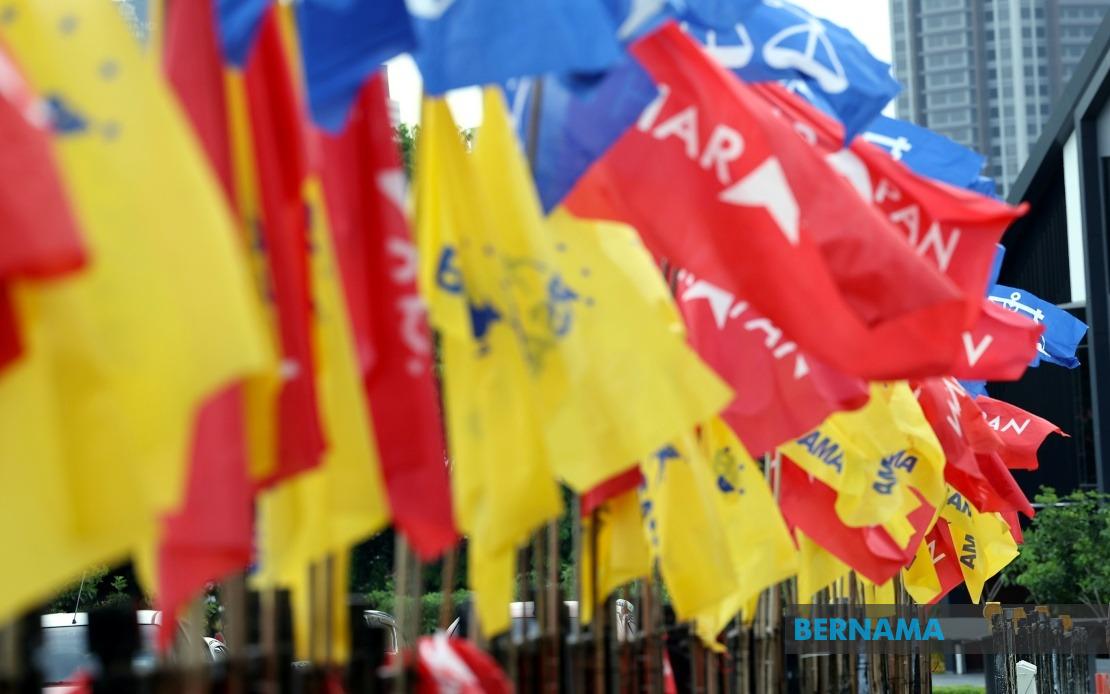
Election preparations in Negeri Sembilan are progressing smoothly, with police authorities giving the green light to 19 separate applications for campaign-related activities including political talks and public gatherings. Negeri Sembilan police chief Datuk Alzafny Ahmad confirmed that all approved permits satisfied the mandatory requirements set by law enforcement and the Election Commission, clearing the way for political parties to intensify their ground game as voting day approaches.
The state's 36-seat legislative assembly was dissolved on June 5, triggering the snap election cycle that will culminate in polling on August 1, with early voting scheduled for July 28. This compressed campaign period is typical for state-level contests in Malaysia, often lasting between three and five weeks from dissolution to polling. The timing gives political parties a narrow window to mobilise supporters, conduct ceramah sessions, and make their electoral pitch to voters across the nine districts that make up the state.
According to Datuk Alzafny, the security environment across Negeri Sembilan remains substantially stable throughout the election period, with no major incidents reported that might threaten the electoral process. Since campaign activities began in mid-July, police have recorded only a single report that fell within their jurisdiction, a notably low figure for an election campaign spanning multiple constituencies and hundreds of thousands of eligible voters. This relative calm underscores the generally peaceful conduct of electoral politics in the state, though authorities remain vigilant against potential disruptions.
The police chief emphasised that approval of campaign permits does not signal an end to regulatory oversight. Every authorised gathering and political event will remain subject to continuous police monitoring to ensure strict compliance with electoral law, public order regulations, and safety standards. This ongoing surveillance reflects the dual mandate facing law enforcement during elections: facilitating democratic participation while maintaining security and preventing communal tensions. The approach balances the rights of political parties to campaign freely with the obligation to protect public safety and the integrity of the electoral process.
Datuk Alzafny made clear that any legal violations occurring during the campaign phase would face swift and proportionate action, with no discretionary leniency extended to offenders regardless of their political standing or profile. The commitment to firm, fair, and integrity-driven enforcement signals to both established parties and newcomers that the rules governing campaign conduct are non-negotiable. This messaging is particularly important in Malaysian elections, where concerns about unequal playing fields or selective enforcement can undermine public confidence in the democratic machinery.
The absence of formal investigation papers related to election offences so far represents a significant achievement during what is typically a contentious phase of the political calendar. Election campaigns frequently generate disputes over venue usage, alleged slander or defamation, improper candidate conduct, or violations of spending limits. The near-absence of such formal allegations in Negeri Sembilan through mid-July suggests either exemplary political discipline among contending parties or effective preventive communication from law enforcement about acceptable boundaries.
Police authorities have signalled their intention to maintain elevated levels of preparedness, active monitoring, and enforcement rigour throughout the remainder of the election cycle. This forward-looking statement suggests that the relatively peaceful environment to date will not breed complacency within the security apparatus. Instead, resources and attention will remain focused on potential flashpoints where campaign intensity might escalate tensions, particularly in hotly contested constituencies or areas with historical record of election-related incidents.
The public has been urged to exercise civic responsibility by respecting democratic norms, adhering to applicable laws, and cooperating with police personnel deployed to monitor campaign venues and election-day logistics. This appeal recognises that maintaining electoral peace depends not solely on enforcement actions but fundamentally on collective commitment to democratic values among voters, candidates, and party workers. The message frames election participation as a privilege accompanied by corresponding obligations to preserve the integrity and safety of the process.
The 19 approved permits represent only a portion of anticipated campaign activities, as candidates and parties will conduct countless smaller gatherings, door-to-door canvassing, and community engagement that fall below the threshold requiring formal police authorization. The regulatory framework therefore operates on a tiered basis, imposing stricter oversight on larger public assemblies while allowing lower-intensity campaigning to proceed with minimal bureaucratic friction. This calibrated approach acknowledges the practical realities of modern electoral competition while targeting enforcement resources toward higher-risk activities.
For Malaysian political observers, Negeri Sembilan's election management offers insights into how state-level contests are administered during an era when electoral integrity and security have assumed heightened importance across the region. The smooth approval process and controlled security environment demonstrate institutional capacity to facilitate competitive elections without descending into disorder or favouritism. As Negeri Sembilan voters prepare to cast ballots on August 1, the groundwork laid by police and election authorities will significantly influence whether the campaign phase remains constructive and whether the polling process itself unfolds without incident.

