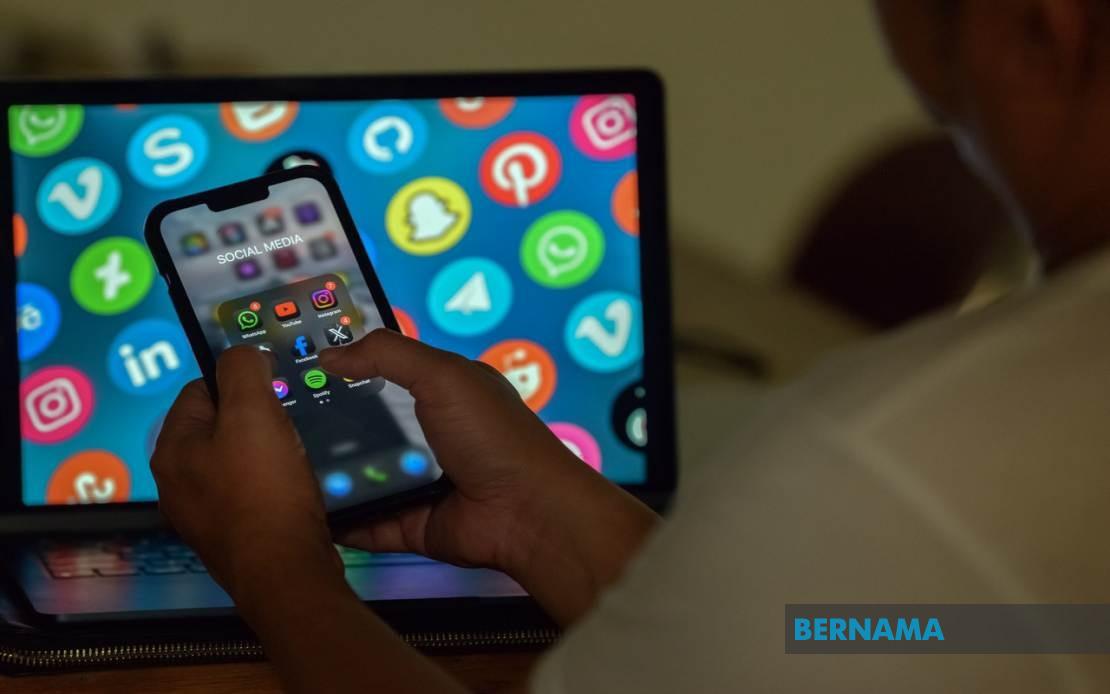
The race for Negeri Sembilan's state assembly seats has moved decisively into the digital realm, with candidates from the three main coalitions embracing social media as their primary campaign weapon in the final weeks before the August 1 election. Traditional grassroots methods such as walkabouts and pamphlet distribution remain part of the electoral playbook, yet political contenders have recognised that commanding attention on Facebook, TikTok, YouTube, Threads and Instagram offers a more efficient pathway to reach the state's 889,490 registered voters. This shift reflects a broader transformation in Malaysian electoral politics, where digital platforms have evolved from supplementary tools to central pillars of campaign strategy.
The sophistication of these digital approaches lies in their demographic targeting. Candidates have segmented their messaging across generational lines, recognising that voters aged 55 and above—categorised as Baby Boomers and Generation X—congregate on Facebook and YouTube, where they consume longer-form content and engage through established social networks. Meanwhile, millennial voters occupy a middle ground, remaining active on Facebook and YouTube but increasingly venturing onto Instagram and newer platforms. Generation Z, the fastest-growing voting bloc with genuine electoral influence, predominantly inhabits TikTok, Threads and Instagram, where algorithmic feeds favour short, visually arresting content over traditional political speech. This generational divide has forced campaigns to abandon the one-size-fits-all approach that dominated Malaysian politics for decades.
The content strategies themselves have evolved remarkably. Rather than uploading lengthy campaign speeches or dense policy documents, candidates now package their messaging into infographics, point-of-view videos, trending audio clips and behind-the-scenes glimpses of campaign life. YouTube Shorts and Instagram Reels compress political messaging into 15 to 60-second bursts, while livestreams create a sense of immediacy and authenticity that traditional media struggles to replicate. This format shift reflects an understanding that voter attention spans have contracted and that information consumption now occurs in fragmented, mobile-first contexts rather than the passive television-watching era that shaped previous generations' political consciousness.
Pakatan Harapan's approach exemplifies this strategic recalibration. Datuk Seri Aminuddin Harun, the menteri besar contesting the Linggi seat, has built his digital presence around intimate glimpses of daily life—performing dawn prayers, sharing breakfast with residents, conducting constituency visits by motorcycle. These vignettes humanise political leadership, countering perceptions of bureaucratic distance that plague established figures. His messaging emphasises continuity and competence, positioning the Pakatan Harapan government as a proven entity worthy of voter confidence. Ahmad Shahir Mohd Shah, known as Ustaz Shahir in the Paroi constituency, has similarly leveraged his personal brand and religious credentials through social media, envisioning his seat as a vehicle for prosperity and competitive development. Dr Azizul Hakim Mahdi, the Rantau candidate and practising physician, has weaponised his professional expertise by offering free health screenings to senior citizens during campaign activities—a tactic that simultaneously serves voters and generates social media content documenting community engagement.
Barisan Nasional competitors have adopted analogous strategies, with candidates such as Datuk Seri Mohamad Hasan and Datuk Seri Jalaluddin Alias deploying social media to showcase campaign visibility and direct voter interaction. The coalition recognises that in a competitive three-way contest, digital presence signals campaign momentum and organisational capacity to floating voters. Perikatan Nasional, alongside smaller parties including Berjasa, Parti Sosialis Malaysia and Parti Orang Asli Malaysia, have similarly embraced social media platforms to amplify their messages, though their more limited financial resources typically result in lower production values and narrower reach compared to established coalition machinery.
The reliance on social media raises important questions about the character of modern democratic campaigning in Malaysia. Platforms like TikTok and Instagram reward aesthetic appeal, personality projection and viral potential over substantive policy articulation. Candidates who excel at casual self-presentation and humorous content may gain disproportionate visibility compared to those offering detailed economic or social policy frameworks. This dynamic potentially advantages younger, more photogenic candidates and those with media training or professional content creation support—advantages that correlate strongly with educational privilege and financial resources. The democratising promise of social media, whereby any candidate could theoretically reach voters directly, remains tempered by algorithmic gatekeeping, paid promotion requirements and the unequal distribution of digital literacy and production capacity.
Moreover, social media's architecture facilitates echo chambers and algorithmic polarisation. Voters consuming content primarily through their chosen platforms receive messaging tailored to their existing preferences, potentially reducing exposure to competing viewpoints and reinforcing tribal political identities. The brevity and visual focus of social media content also creates space for misleading claims, decontextualised statements and manipulation through selective framing—challenges that fact-checking infrastructure struggles to address at the necessary speed and scale. Malaysian Election Commission guidelines have not substantially evolved to regulate social media campaigning with the same rigour applied to traditional media, creating potential accountability gaps.
The timing of these digital campaigns matters significantly. Early voting occurs on July 28, with main polling day on August 1, compressing the final mobilisation window into mere days. Social media's real-time nature and capacity to generate rapid voter mobilisation through organic sharing and algorithmic amplification make it particularly valuable in this shortened timeframe. A single viral video or trending hashtag can shift voter awareness and sentiment more quickly than traditional campaign methods could achieve in previous electoral cycles. This acceleration of campaign dynamics introduces volatility, as last-minute scandals, gaffes or strategic messaging surprises can potentially cascade through social networks with unprecedented speed.
For Negeri Sembilan's voters, the proliferation of social media campaigning presents both opportunities and challenges. Engaged citizens can access candidate information, scrutinise policy pledges and hold politicians accountable through public posts and comments in ways that were previously difficult. However, information quality varies dramatically, and distinguishing genuine policy substance from carefully curated personal branding requires critical literacy that not all voters possess. The emphasis on visual appeal and personality-driven narratives may obscure deeper questions about governance competence, administrative track records and substantive differences between competing visions for the state's development.
The August 1 election will ultimately reveal whether these sophisticated digital campaigns meaningfully influence voting patterns or whether they represent performance for already-engaged supporters while swing voters remain influenced by traditional factors such as incumbency, local grievances and broader national political currents. What seems clear is that Malaysian political campaigns have crossed a threshold: social media is no longer supplementary but constitutive of how candidates reach voters and construct their political identities. Future elections will likely intensify this trend, raising urgent questions about platform regulation, content authenticity and democratic equity that Malaysian policymakers have yet to adequately address.

