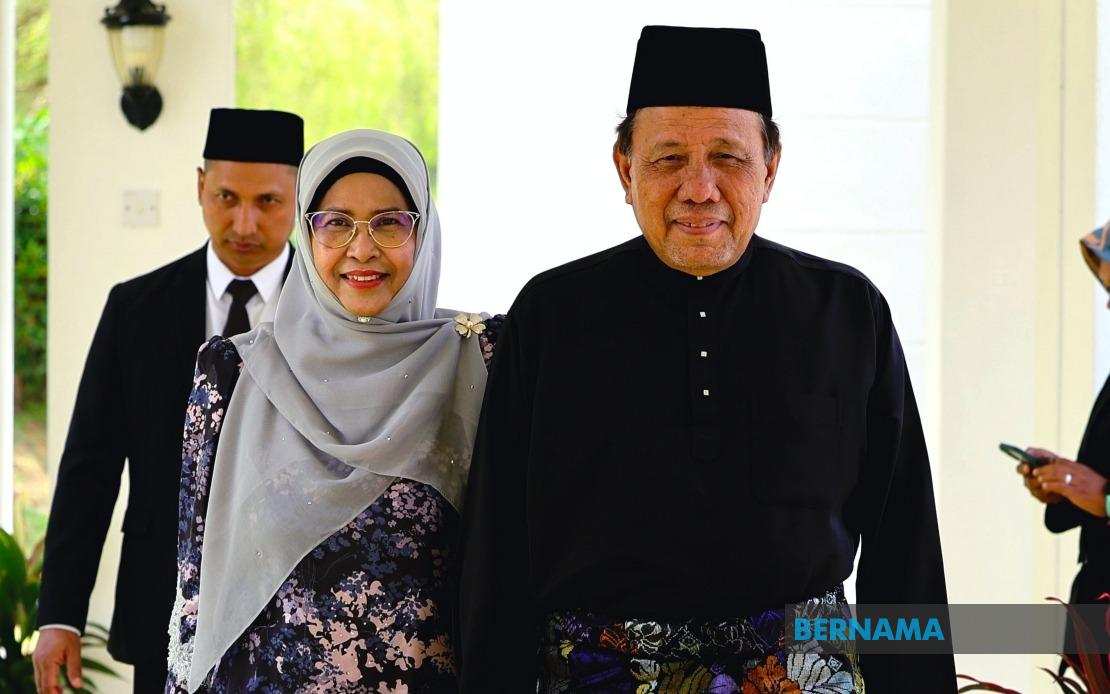
Negeri Sembilan will observe Friday, August 3, as an occasional public holiday, the state government announced on August 2, as a mark of appreciation for all those involved in the smooth execution of the 16th state election held the previous day. The declaration was made shortly after Datuk Ismail Lasim, 67, took his oath as Menteri Besar before Yang Dipertuan Besar Tuanku Muhriz Tuanku Munawir at Istana Besar Seri Menanti in Kuala Pilah.
The decision to grant the holiday was taken with the explicit consent of the palace, a formality that underscores the constitutional role of the state's hereditary ruler in approving major executive decisions. During his inaugural press conference in the Menteri Besar role, Ismail acknowledged the royal endorsement and credited Tuanku Muhriz for permitting both his appointment and the announcement of the special holiday.
Ismail's rationale for the one-day break centred on recognising the physical and mental toll that elections exact on communities. Election operations in Malaysia involve coordinating thousands of polling stations, election workers, security personnel, and volunteers across constituencies, requiring days of intensive preparation and execution. By providing an additional day of rest, the government sought to acknowledge the collective effort required to conduct a democratic exercise at the state level.
The 16th Negeri Sembilan state election saw a substantial turnout across the 36 contested seats, with 103 candidates vying for positions in the State Legislative Assembly. The results delivered a decisive outcome that allowed for stable government formation. Barisan Nasional captured 18 seats whilst Perikatan Nasional secured seven, together commanding a comfortable two-thirds majority in the legislature. This distribution of seats meant the two coalitions could cooperate in governing the state without facing serious opposition challenges.
For Malaysia's electoral system and the broader Malaysian political landscape, Negeri Sembilan's outcome reflected ongoing shifts in voter preference and coalition dynamics across the peninsula. The strength of the Barisan Nasional result was particularly significant given the national political volatility of recent years, where the ruling alliance has experienced fluctuating fortunes in state and federal contests. The cooperation between BN and Perikatan Nasional also illustrated how state-level alliances can differ from federal arrangements, with local political considerations and candidate performance shaping outcomes independently of national trends.
Ismail's elevation to the Menteri Besar position represented continuity or transition depending on the prior political configuration in Negeri Sembilan, and his immediate prioritisation of acknowledging the election process reflected an understanding that legitimacy in elected office requires recognising both the formal democratic apparatus and the humans who operate it. Public holidays to commemorate electoral processes are relatively uncommon in Malaysia, making this declaration noteworthy as a statement of values regarding civic participation.
The timing of the announcement, made during the Menteri Besar's first formal media engagement, carried symbolic weight. Within hours of taking the constitutional oath, Ismail used his first official platform to project gratitude and a people-centric approach to governance. This messaging strategy set a tone for his administration as one attentive to public sentiment and willing to translate that attention into tangible gestures, even if primarily symbolic ones.
For workers across Negeri Sembilan's public and private sectors, the additional day off provided practical relief following the election period, which typically disrupts normal routines. Schools, government offices, and many businesses would observe closure, allowing families to recover and prepare for the following working week. In a state economy that depends on both established industries and growing service sectors, such holidays can impact business operations and consumer activity, though the duration was brief enough to avoid significant economic disruption.
The decision also reflected broader constitutional and ceremonial practices in Malaysia's federal system, where state governments maintain significant autonomy in matters of local governance, provided they operate within the constitutional framework. The Yang Dipertuan Besar's consent highlighted how traditional institutions remain embedded within the modern democratic process, with state rulers retaining advisory and confirmatory roles in executive appointments and major policy declarations.
Looking forward, Ismail's administration would face the practical challenges of implementing governance within the legislative constraints and opportunities provided by the election results. The two-thirds majority offered scope for passing state legislation and budgets without opposition obstruction, yet it also placed responsibility on the governing coalitions to deliver tangible improvements in service delivery, infrastructure, and economic management that justify voter confidence.

