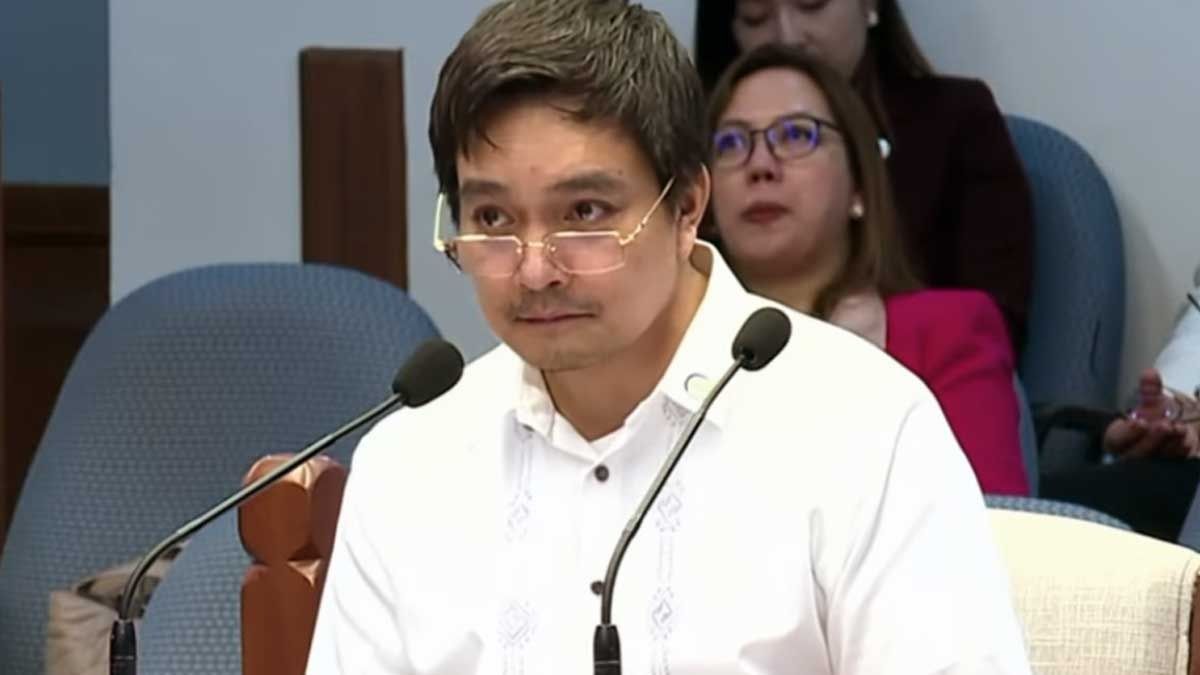
The National Bureau of Investigation's Regional Director Jeremy Lotoc took the stand at Vice President Sara Duterte's impeachment trial on Tuesday, maintaining that investigative evidence points toward her involvement in an alleged assassination plot against President Ferdinand Marcos Jr., even as he conceded he possessed no firsthand knowledge of any contract killing arrangement. The testimony marked a critical moment in proceedings centred on remarks Duterte made during a November 23, 2024 online media briefing in which she referenced eliminating the president, first lady Liza Araneta-Marcos, and former House Speaker Martin Romualdez—accusations that form the basis of the fourth impeachment article filed against her.
Lotoc's cross-examination by Duterte's defence counsel Mark Vinluan quickly zeroed in on the distinction between investigative conviction and evidentiary proof. When pressed directly on whether he possessed personal knowledge that the vice president had engaged someone to carry out killings, Lotoc acknowledged the gap: he could assert the NBI's collective belief based on gathered materials, but could not testify to having witnessed the arrangement himself. This admission exposed a fundamental challenge facing prosecutors in the case—establishing that Duterte's incendiary statements constituted actual conspiracy rather than inflammatory rhetoric.
The exchange between legal teams grew heated as Vinluan sought to undermine the credibility of other allegations Duterte had levelled in the same video. When Lotoc confirmed the "existence of utterances" regarding corruption claims against unnamed congressmen, Vinluan attempted to extract a concession that these allegations were factually accurate. Private prosecutor Amando Ligutan objected sharply, accusing the defence of misrepresenting the witness's testimony. Presiding officer Senator Francis "Chiz" Escudero interjected to restore decorum, reminding both counsels they were not engaged in "college debate" and instructing the witness to provide precise, complete answers to prevent distortion.
The tension reflected deeper strategic divisions in the trial. The defence sought to establish that Duterte's statements were opinion or allegation rather than confessions to specific criminal intent, while prosecutors argued the pattern and specificity of her remarks demonstrated genuine animus. When asked directly whether he possessed personal knowledge of any assassination contract, Lotoc responded affirmatively—his belief was grounded in evidence the NBI had compiled. Vinluan immediately countered that this constituted the same evidentiary gap that undermined the corruption allegations Duterte had made, pointing out the logical inconsistency in accepting one set of second-hand assertions while rejecting another.
Senate President Sherwin Gatchalian subsequently shifted the inquiry toward motive and capability, asking Lotoc what evidence demonstrated Duterte possessed the actual means to execute such threats. Lotoc initially suggested that her position as vice president itself conferred such capability, but Gatchalian swiftly rejected this reasoning. Mere office, the Senate chief argued, did not automatically translate to power to orchestrate political assassination. This challenged Lotoc to articulate more specific grounds for the NBI's conclusions about Duterte's capacity to carry out her statements.
Lotoc then introduced the family history argument, pointing to former President Rodrigo Duterte's ongoing case before the International Criminal Court regarding alleged extrajudicial killings during his administration's war on drugs. The NBI witness reasoned that Sara Duterte's familial connection to these operations, combined with her access to state resources and institutional position, demonstrated capability to harm her stated targets. This logic implicitly suggested that patterns of violence within the Duterte family circle, and mechanisms employed in past campaigns against drug suspects, could be repurposed against political rivals. The argument carried particular resonance given the ICC allegations against her father remain unresolved and controversial throughout Southeast Asia.
The impeachment proceedings have grown increasingly contentious as they progress, with fundamental questions about the nature of political speech, governmental accountability, and the distinction between threat and action remaining contested. Malaysia and other Southeast Asian democracies have watched the trial closely, given its implications for how regional courts balance robust political discourse against security concerns. Duterte's statements, regardless of intent, have triggered official investigations and legislative action in the Philippines—responses that other nations' political systems might or might not replicate depending on their constitutional frameworks and judicial precedents.
For Malaysian observers, the trial illustrates the complex intersection of executive privilege, legislative oversight, and evidentiary standards in presidential systems. Unlike Malaysia's Westminster-influenced parliamentary structure, the Philippine system creates more direct friction between executive and legislative branches, with impeachment representing the legislature's ultimate check on executive overreach. The difficulty prosecutors face in transforming inflammatory statements into proven conspiracy charges parallels challenges any Westminster democracy would encounter, though the specific constitutional mechanisms differ substantially.
The cross-examination also illuminated the investigative challenges the NBI confronted. Intelligence work frequently relies on inference, pattern analysis, and circumstantial evidence—the materials of which Lotoc spoke. Yet translating such investigative conviction into courtroom proof acceptable to lawmakers sitting as judges requires demonstrating chains of evidence that directly link the accused to specific actions or agreements. Lotoc's willingness to acknowledge the gap between investigative belief and personal knowledge, while maintaining the strength of circumstantial evidence, represented an honest assessment of the case's vulnerabilities.
The trial continues at a moment of significant political turbulence in the Philippines, with Duterte having previously served as Davao City mayor during her father's presidency and subsequently as Education Secretary before her election as vice president. Her inflammatory rhetoric has consistently made her a polarising figure, and the impeachment reflects broader tensions within Philippine politics regarding the proper limits of executive speech and the mechanisms through which sitting officials face accountability. The NBI's investigative conclusions, while carefully presented, ultimately rest upon interpretations of evidence that defence counsel continue aggressively challenging.
As the trial progresses through additional testimony and legal argument, the fundamental question remains unresolved: whether Duterte's statements constitute genuine conspiracy to commit assassination or constitute protected political speech, however intemperate. The distinction matters not only for determining her potential removal from office but also for establishing precedents governing how similar statements by future Philippine officials will be legally assessed. The proceedings have attracted international attention as a test of institutional capacity to check executive conduct through constitutional means, with observers from across Southeast Asia monitoring whether the Philippine system's checks and balances function as designed.

