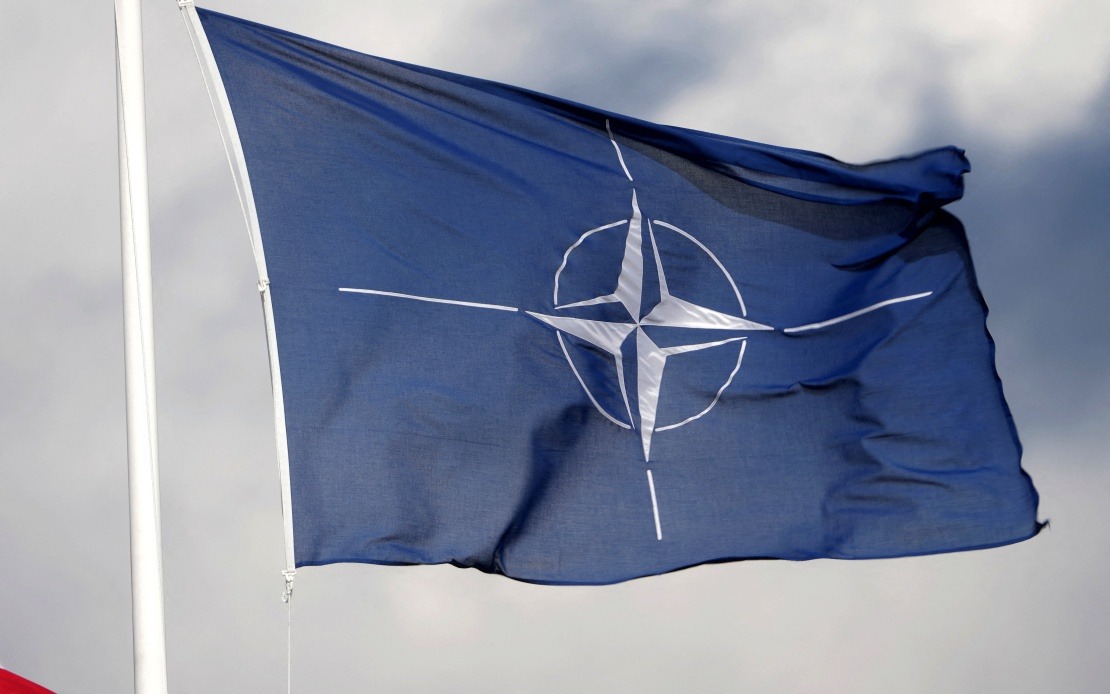
The NATO alliance is bracing for a substantial escalation in military expenditure, with defence budgets set to climb to unprecedented levels in the coming years. According to latest calculations released this week, the 32-member bloc will disburse more than US$1.8 trillion on defence matters in 2026, a significant jump of approximately 11 percent compared to the estimated US$1.63 trillion allocated in 2025. This upward trajectory reflects the collective determination of member nations to strengthen their military posture following the strategic commitments unveiled at The Hague summit held in 2025.
The spending increase underscores a fundamental shift in how NATO countries prioritise security investments in response to evolving geopolitical challenges. The financial commitments adopted at The Hague represent the most ambitious defence targets the alliance has established in recent memory, signalling that security concerns will dominate government budgets across Europe and North America for the remainder of this decade. The scale of this expansion reveals the depth of concern among policymakers regarding conventional military capabilities and deterrence strategies in an increasingly volatile strategic environment.
America's defence budget will remain by far the largest contributor to NATO's overall spending plan, with projections indicating that the United States will allocate approximately US$1.03 trillion to its military and defence operations. This figure represents roughly 57 percent of the entire alliance's defence expenditure, underlining the outsized role that Washington plays in underwriting European security. The American commitment reflects both the country's substantial military obligations worldwide and the particular focus on bolstering its commitments to NATO members, particularly in Eastern Europe where security anxieties have intensified in recent years.
Beyond the United States, a tiered structure of defence spenders characterises the alliance. Germany has emerged as the second-largest military investor, with defence budgets expected to reach approximately US$147 billion by 2026. This represents a remarkable transformation for Germany, historically reluctant to substantially increase military expenditure, but now facing security pressures that have necessitated a strategic reassessment. The United Kingdom follows with anticipated spending of US$110 billion, while France is projected to allocate US$80 billion to its defence establishment. These three nations together form the backbone of European defence capacity within NATO.
Other significant contributors to the alliance's military strength include Italy with US$57 billion, Poland with US$53 billion, Canada with US$52 billion, and Türkiye with US$48 billion in projected defence spending. Poland's substantial investment reflects its particular vulnerabilities as a frontline NATO member sharing borders with Russia and Belarus, making security investments a domestic political priority. Similarly, the Baltic nations and Greece have dramatically increased their military commitments in response to regional security threats, prioritising defence spending as an essential national obligation.
A particularly striking aspect of NATO's spending trajectory involves the commitment levels of smaller member states. Lithuania, Estonia, Latvia, Poland and Greece are all expected to allocate more than 3.5 percent of their national gross domestic product to core defence spending by 2026, exceeding the benchmark established by alliance leadership at The Hague. This threshold holds profound significance, representing a willingness among these nations to subordinate competing budgetary priorities to military readiness. For economically smaller countries, achieving these spending ratios requires substantial domestic sacrifice and demonstrates the seriousness with which frontline states view security threats.
The average defence spending across the entire NATO alliance is projected to reach 2.86 percent of member nations' combined GDP by 2026, a substantial figure that reflects the priority being assigned to military matters. This average conceals significant variations between individual members, with wealthy Western nations able to absorb defence spending increases more readily than newer members with smaller economies and developing infrastructure. The arithmetic reveals a fundamental tension within NATO between collective burden-sharing expectations and the reality of vastly different economic capabilities among member states.
The Hague summit articulated an ambitious long-term vision extending to 2035, establishing defence spending targets that will shape government budgeting priorities throughout the remainder of this decade. Alliance leaders committed to investing five percent of GDP in defence and defence-related expenditure by 2035, subdivided into 3.5 percent for core military defence and 1.5 percent for broader security investments encompassing critical infrastructure protection, national resilience building, and technological innovation. This dual-track approach recognises that contemporary security challenges extend beyond traditional military hardware to encompass cybersecurity, supply chain resilience, and emerging technologies.
For Southeast Asian and Malaysian observers, these developments carry significant implications for regional security architecture. NATO's military strengthening could indirectly influence global power distribution and great power competition dynamics that ultimately affect Asian geopolitics. The sustained emphasis on alliance cohesion and military capability development demonstrates how collective defence arrangements continue to shape international relations, offering lessons for regional security frameworks. Additionally, the technological innovations and defence procurement decisions made within NATO shape global arms markets and military technological trajectories that influence regional strategic calculations.
The spending trajectory also reflects underlying anxieties about the durability of post-Cold War security arrangements and the perceived necessity of strengthening deterrence capabilities. Rather than representing mere budget increases, these expenditures signal fundamental shifts in how Western democracies assess threats and calculate their security requirements. The willingness of economically constrained nations to commit substantial resources to defence suggests that security concerns have transcended ordinary budgetary competition to become a defining characteristic of national priorities. This reorientation of government spending away from social programmes toward military investment will carry profound domestic political consequences across the alliance for years to come.

