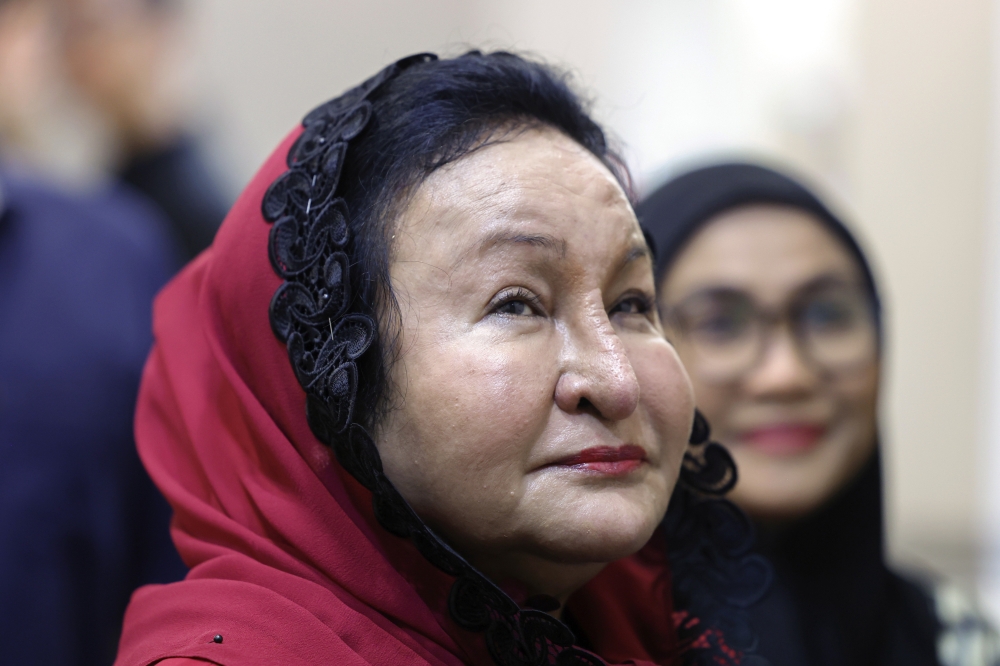
Former prime minister Datuk Seri Najib Razak is preparing for a medical intervention aimed at removing plaque deposits that have formed near a blood vessel, according to a statement released by his wife, Datin Seri Rosmah Mansor. The planned procedure represents part of routine cardiovascular maintenance for the 71-year-old politician, who continues to manage his health while navigating his ongoing legal and political circumstances in Malaysia.
Rosmah's disclosure regarding Najib's scheduled medical attention comes at a time when the former leader remains a prominent yet controversial figure in Malaysian public discourse. His health status has periodically drawn public interest given his prominence in national politics and his continued involvement in various legal proceedings. The forthcoming procedure is expected to address arterial buildup, a relatively common cardiovascular concern that affects individuals across diverse age and background categories, particularly among those in their seventh decade of life.
Plaque accumulation within blood vessels, medically termed atherosclerosis, occurs when fatty deposits gradually build up along arterial walls, potentially restricting blood flow and increasing the risk of serious cardiovascular events. Treatment options vary depending on the severity of the blockage, its location, and the patient's overall health profile. Procedures to address such conditions typically aim to restore normal blood flow and reduce the risk of complications including stroke or heart attack, making early intervention an important preventive health measure.
The specific timing and nature of Najib's procedure remain medically private matters, as is customary in Malaysia and internationally. However, the public acknowledgement by Rosmah suggests the former premier and his family are approaching the situation transparently, updating supporters and the broader Malaysian public about his wellbeing. Such disclosures are not uncommon among prominent political figures, particularly when health matters may affect their public schedules or engagements.
Najib's health situation arrives during a period of considerable legal complexity in his life. The former prime minister has faced various court proceedings related to financial and governance matters stemming from his decade-long tenure as premier. Despite these legal challenges, he has maintained a relatively active public presence through social media and selective public appearances, suggesting he continues to manage his responsibilities and interests despite the demands of his legal circumstances.
For Malaysian observers, updates regarding Najib's health carry broader implications for understanding the nation's political landscape. As a three-term prime minister who shaped Malaysian governance and foreign policy from 2009 to 2018, his continued presence in public consciousness influences political discourse, even as his party, the United Malays National Organisation (UMNO), operates within Malaysia's current coalition government structure. His health status therefore remains relevant to understanding continuities and transitions within Malaysian political leadership and institutional memory.
The disclosure by Rosmah also reflects the role that spouses and family members frequently play in managing public communications around health matters for prominent political figures. Her statement serves not only to inform the public but potentially to manage expectations regarding Najib's availability for public engagements and appearances during his recovery period. This approach mirrors practices observed in other democracies where the families of public figures maintain transparent communication channels with constituents and media outlets.
Cardiovascular interventions of this nature have become increasingly routine in modern medical practice, with high success rates and minimal recovery periods when performed by experienced specialists. Malaysia's healthcare infrastructure, particularly in Kuala Lumpur where such procedures would likely be conducted, includes world-class facilities capable of managing complex cardiovascular cases. The availability of advanced medical technology and skilled practitioners in the country ensures that prominent citizens can access treatment comparable to international standards.
From a broader healthcare perspective, Najib's situation underscores the prevalence of cardiovascular concerns among aging populations, including those in positions of power and influence. The stress associated with high-level political office, combined with natural aging processes, makes such conditions increasingly common among former leaders globally. The transparent handling of such medical matters can also contribute positively to public health awareness, encouraging citizens to seek preventive care and medical consultation when experiencing relevant symptoms.
As Najib prepares for his upcoming procedure, his continued political significance remains evident through ongoing media interest in his activities and circumstances. Whether this health situation affects his future political ambitions or public role remains to be seen, though recovery from plaque removal procedures is typically straightforward and does not generally impose lasting restrictions on daily activities or professional engagement. His family's proactive communication regarding his healthcare needs suggests a measured approach to managing both his wellbeing and his public profile during this period.

