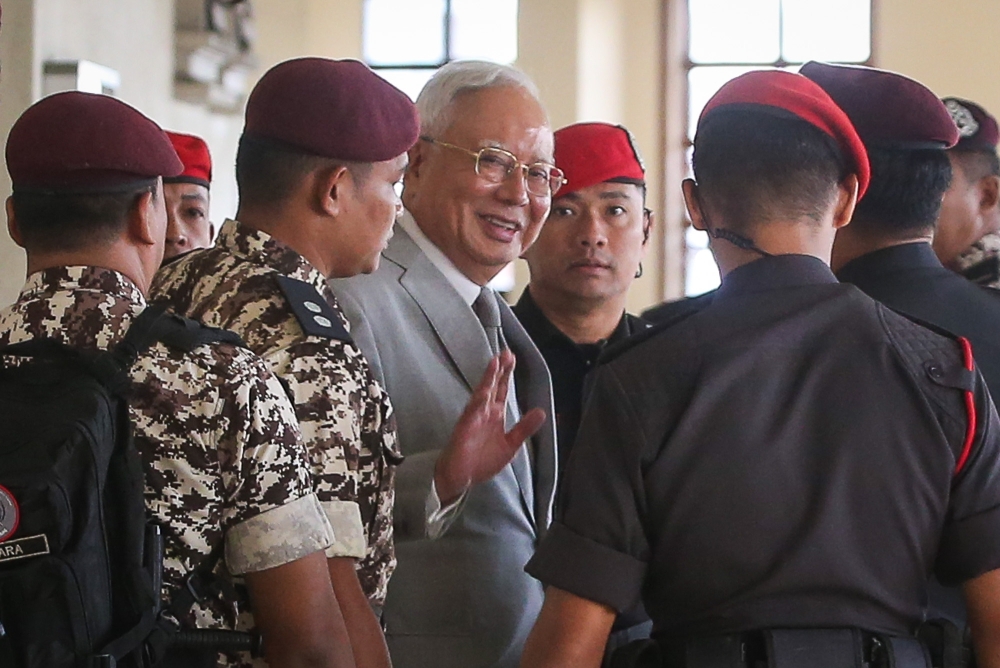
Former Prime Minister Datuk Seri Najib Razak is preparing for a heart procedure, according to confirmation from his legal team on Wednesday. The announcement comes as Malaysia's political landscape continues to grapple with ongoing legal matters involving the veteran politician, whose tenure as national leader between 2009 and 2018 remains a defining and contested period in contemporary Malaysian governance.
The procedure represents a notable personal health matter for Najib, whose legal entanglements have dominated Malaysian headlines for years following the massive 1Malaysia Development Berhad (1MDB) scandal. While the specific details of the cardiac intervention remain limited, the public disclosure through his lawyers suggests the former leader is taking necessary steps to address his medical condition during what has been an exceptionally taxing period marked by multiple court appearances and convictions.
Najib's health situation arrives at a particularly sensitive juncture in Malaysian politics. The former premier has faced significant judicial proceedings stemming from his administration's handling of state funds, including convictions related to money laundering and abuse of power. His ongoing legal battles have made him a polarizing figure, with supporters viewing him as politically persecuted and critics citing accountability for alleged financial impropriety during his nearly a decade in office.
The timing of such medical procedures in the context of ongoing legal proceedings raises questions about judicial schedules and the practical implications for court attendance. Malaysia's legal system has had to accommodate various health-related circumstances for prominent defendants, balancing the administration of justice with humanitarian considerations regarding an individual's medical requirements.
For Malaysian observers, Najib's situation reflects broader questions about accountability and governance in the nation. The 1MDB scandal exposed vulnerabilities in institutional oversight and has since prompted significant reforms to Malaysia's financial regulatory framework. His legal journey through the courts has been extensively documented and serves as a touchstone for discussions about the rule of law and institutional independence in the country.
The former leader's political fortunes have fluctuated considerably since leaving office. While some segments of the Malay-Muslim population have demonstrated sustained support for him, positioning his difficulties as politically motivated, mainstream institutional responses have consistently treated the allegations and subsequent convictions as substantive matters warranting serious judicial attention. His party, the United Malays National Organisation (UMNO), has itself grappled with managing his political legacy while attempting to rebuild credibility.
International observers have maintained focused attention on Najib's case as an indicator of Malaysia's commitment to combating corruption and upholding judicial independence. The proceedings have demonstrated both the strengths and limitations of Malaysia's legal apparatus in addressing high-level financial crimes, with international enforcement agencies including the United States Department of Justice maintaining parallel investigations into 1MDB-related matters.
The medical procedure also underscores the personal dimensions of high-profile political cases. Beyond the abstract questions of governance and institutional legitimacy, Najib's health challenges remind the public that prominent figures contending with serious legal matters face genuine individual hardships. This human element has occasionally prompted sympathetic responses, even from observers who harbour serious criticisms regarding his administration's financial stewardship.
Moving forward, the procedure's implications for Najib's legal schedule remain to be determined. Courts typically accommodate legitimate medical requirements for defendants, though the practical mechanics of managing extended legal proceedings while managing significant health conditions present genuine logistical challenges. His legal team will likely coordinate closely with judicial authorities to establish appropriate timelines for ongoing proceedings.
The announcement also reflects wider Malaysian conversations about aging leadership and succession planning within the country's major political formations. As prominent figures from previous generations face various personal and professional challenges, questions about institutional renewal and the development of new political voices continue to feature prominently in national discourse.
Najib's case continues to serve as a crucial reference point in Malaysia's ongoing democratic and institutional development. Whether viewed as a cautionary tale about abuse of power or as an example of selective prosecution, his experience shapes how Malaysians and the international community assess the nation's progress toward robust, independent governance structures that can effectively restrain executive overreach while maintaining procedural fairness.

