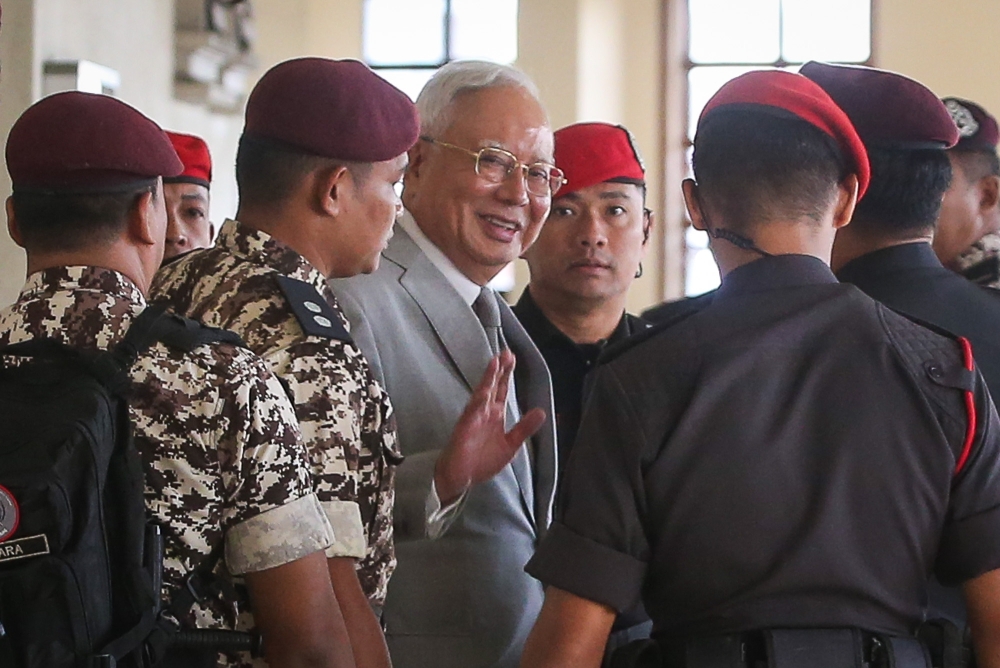
Former prime minister Datuk Seri Najib Razak is set to undergo a cardiac procedure at Serdang Hospital in the days ahead, representing a notable health intervention for one of Malaysia's most prominent political figures. The scheduled medical appointment underscores ongoing health considerations for the 71-year-old politician, who has maintained a visible public and political presence despite various legal and personal challenges in recent years.
Serdang Hospital, located in the Klang Valley region, operates as a major teaching facility under the Ministry of Health. The institution serves as a tertiary referral centre and has handled numerous high-profile medical cases, equipped with advanced cardiac care units and interventional facilities. The choice of this facility reflects the gravity and specialised nature of the procedure being undertaken.
The specific nature of Najib's cardiac condition and the exact procedure to be performed have not been extensively detailed in available reports, leaving room for speculation among observers and the public. Such medical interventions in elderly patients typically address issues such as blocked arteries, valve conditions, or arrhythmias, though confirmation of the precise diagnosis remains pending. The scheduling of the procedure for the coming week suggests medical advisors have determined that the timing is appropriate, though not immediately emergent.
For Malaysian political observers, the news carries implications regarding Najib's continued capacity to manage his extensive legal affairs and political engagements. The former prime minister has faced multiple court proceedings related to the 1Malaysia Development Berhad (1MDB) scandal, a matter that has consumed significant portions of his attention over the past half-decade. The hospitalisation will necessarily require adjustments to his schedule and may affect his participation in ongoing legal proceedings or court appearances.
Najib's health status remains a matter of broader public interest given his historical significance in Malaysian politics. He served as the sixth prime minister of Malaysia from 2009 to 2018, a tenure marked by both development initiatives and the mounting 1MDB controversy that ultimately contributed to the Barisan Nasional coalition's electoral defeat. Since leaving office, he has remained politically active within the United Malays National Organisation (UMNO) and has sought to rebuild his political standing.
The timing of the medical procedure also intersects with the broader political landscape in which UMNO continues to navigate its position within the current governing coalition. As a senior party figure despite his legal entanglements, Najib's health and availability can influence internal party dynamics and coalition strategy discussions, though his direct decision-making authority remains constrained by his various legal restrictions and party disciplinary considerations.
From a healthcare perspective, the admission of a high-profile political figure to a public hospital demonstrates the continued centrality of government medical facilities in providing advanced care to prominent Malaysians. Serdang Hospital's role in managing such cases reflects the sophisticated capabilities that exist within Malaysia's public health system, particularly for cardiac interventions that demand specialist expertise and comprehensive facilities.
The procedure also highlights broader health considerations affecting Malaysia's aging political establishment. As many senior figures within both government and opposition parties advance into their seventies, health-related issues have become increasingly common factors in political succession and leadership continuity. The medical needs of this generation inevitably shape the trajectory of various political processes and institutional arrangements.
Public reaction to news of Najib's hospitalisation has been measured, reflecting the polarised nature of public opinion regarding the former prime minister. Supporters have expressed concern for his wellbeing, while critics have maintained their critical stance on his political legacy and legal circumstances. The health matter itself, however, tends to transcend partisan divisions, with many offering standard expressions of well-wishes for a successful procedure and recovery.
The hospital stay will necessarily impose a period of reduced public engagement, at least immediately following the procedure. Recovery timelines for cardiac interventions vary considerably depending on the specific procedure undertaken, ranging from days to weeks. During this period, Najib's legal team and political associates will likely manage his affairs in his absence, maintaining continuity across his various commitments and obligations.
Looking ahead, the success of the procedure will be significant not only for Najib's personal health and quality of life but also for his capacity to remain engaged with his political interests and legal defence strategies. The outcome may influence his future activities within UMNO and his broader role in Malaysian political discourse, particularly given the extended timeline of legal proceedings that still involve his participation.
The announcement underscores how personal health matters intertwine with public and political considerations in cases involving high-profile figures. As Malaysia's political establishment continues to age, such health-related developments will likely become more frequent, requiring ongoing attention to both the personal wellbeing of these individuals and the institutional implications of their medical circumstances for the broader political system.

