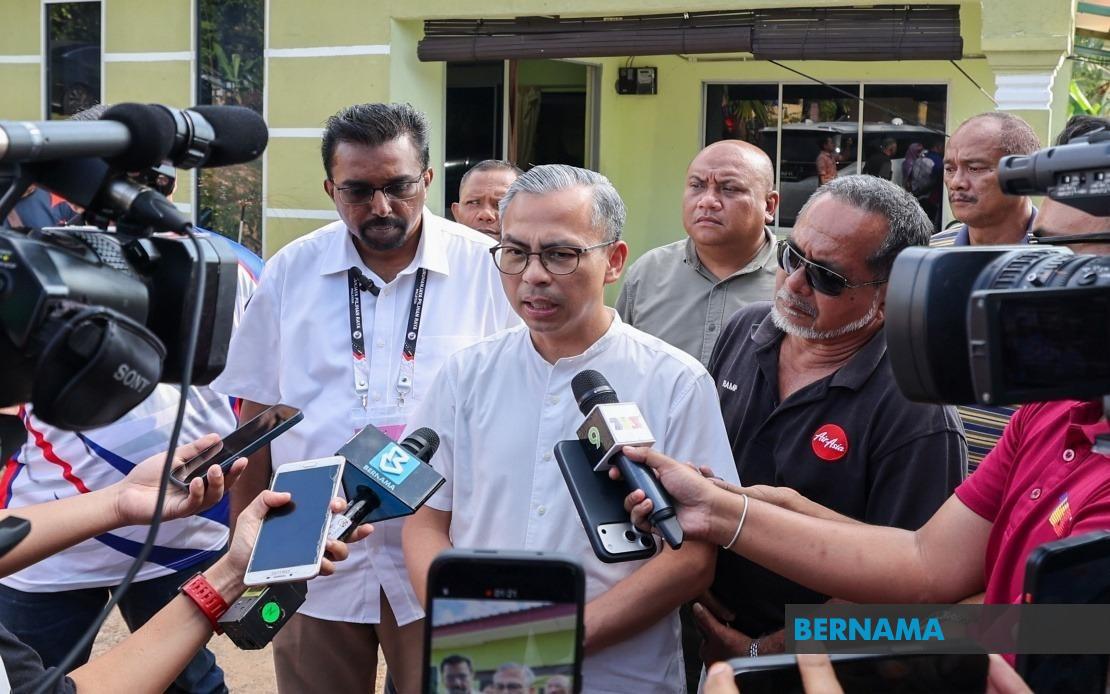
Malaysia's Communications Minister Datuk Seri Fahmi Fadzil has reported that the digital landscape during the Negeri Sembilan state election campaign remains largely free from major disruptions, with the Malaysian Communications and Multimedia Commission receiving just 16 complaints in the opening week of campaigning. The assessment comes at a critical juncture, with voting scheduled for August 1 and early voting set for July 28, leaving candidates and political operatives roughly two weeks to mobilise support across the state.
The nature of complaints received tells an instructive story about the current state of Malaysia's electoral digital infrastructure. Of the 16 reports submitted to MCMC, 14 were rooted in telecommunications network failures—a persistent infrastructure challenge that affects both campaign connectivity and voter access to information. The remaining two complaints involved fraudulent social media accounts, a relatively modest number suggesting that impersonation and fake identity manipulation have not yet emerged as significant problems in this particular contest. This breakdown indicates that technical glitches rather than deliberate misinformation or content violations have dominated official concern so far.
Fahmi's cautious optimism, however, is tempered by historical patterns in Malaysian elections. He acknowledged that the final 72 to 96 hours before polling day traditionally witness a dramatic spike in online activity as various political factions intensify their digital campaigns. This phenomenon—sometimes dubbed the "last-mile surge"—has become a predictable feature of Malaysian electoral contests, with candidates, party operatives, and third-party supporters all racing to maximise their message penetration before voters head to the ballot box. The minister explicitly warned against a potential deluge of false information during these critical final hours, suggesting that authorities remain vigilant for coordinated disinformation efforts.
The public has been invited to take an active role in maintaining electoral integrity by reporting suspected violations directly to social media platforms themselves, with MCMC available as a secondary avenue if platform operators fail to respond. This approach reflects a shared-responsibility model increasingly favoured by communications regulators globally, where government agencies, private companies, and users collectively work to police the digital commons. For Malaysian voters and campaign observers, this means documenting and reporting suspicious content becomes a civic duty during high-stakes electoral periods.
Beyond social media governance, Fahmi's visit to Felda Palong 1 in Jempol exposed a pressing infrastructure inequality that extends far beyond campaign communications. He discovered that internet connectivity gaps were not confined to residential compounds but were particularly acute along the main access roads serving these rural settlements. This distinction is significant: while residents within the Felda scheme could access services, those travelling along connecting highways faced dead zones that compromise not only convenience but also personal safety during emergencies. In an era where internet access has become essential infrastructure, these gaps represent a tangible disadvantage for rural Malaysians seeking information, services, and economic opportunities.
The minister's directive to the MCMC to urgently resolve these coverage problems reflects a broader principle he articulated: wherever roads exist, internet access should follow. This aspirational standard acknowledges the fundamental role connectivity plays in modern citizenship and economic participation. Yet implementation has lagged behind ambition. Despite a memorandum of understanding on network sharing that telecommunications companies signed last year, the pace of infrastructure rollout remains disappointing, suggesting that commercial incentives and regulatory frameworks have not adequately motivated rapid expansion into low-density areas.
The solutions identified by the ministry showcase both traditional and emerging approaches to bridging the digital divide. Construction of new telecommunications towers remains a foundational necessity, though expensive and time-consuming. Optimisation of existing infrastructure offers quicker wins, allowing operators to maximise coverage from current assets. More intriguingly, the identification of satellite services such as Starlink as an interim measure reflects Malaysia's openness to non-traditional providers, a pragmatic acknowledgment that established telecom operators alone may be insufficient to meet coverage targets within reasonable timeframes. For rural Malaysians accustomed to infrastructure neglect, the introduction of satellite connectivity represents a potential game-changer, though cost, latency, and service reliability remain open questions.
Telecommunications companies have also been instructed to enhance their complaint management systems, with artificial intelligence flagged as a tool to help users track the status of their reports. This modernisation of customer service infrastructure aims to reduce opacity and frustration in the complaint resolution process. When users can see real-time updates on network issues they have reported, trust in both corporate and regulatory systems potentially improves. The emphasis on AI-powered tracking also hints at larger technology trends, suggesting Malaysia's communications sector is gradually adopting intelligent systems to manage the complexity of national-scale network management.
The Negeri Sembilan election itself provides a microcosm of challenges facing Malaysian democracy in the digital age. Social media has become an inescapable campaign tool, yet regulation remains contentious and implementation uneven. Rural connectivity gaps mean voters in remote areas may lack access to candidate information readily available in urban centres. Misinformation, while not yet a dominant feature of this particular contest, remains a latent threat that can rapidly escalate during final campaign hours. Fahmi's measured assessment suggests confidence that current monitoring mechanisms are adequate, yet his warnings about the final campaign stretch indicate awareness that complacency is premature.
As voting approaches, the question becomes whether Malaysia's regulatory infrastructure can maintain order in what remains an increasingly digitised electoral process. The relatively low complaint figures are encouraging, yet they may also reflect underreporting, public unfamiliarity with complaint mechanisms, or the simple reality that major disruptions have not yet materialised. The government's emphasis on public participation in reporting violations—rather than relying solely on official monitoring—distributes responsibility but also risks uneven enforcement. For Malaysian voters and political observers, the Negeri Sembilan contest offers a real-time test of whether the nation's communication systems, both physical and regulatory, can support free and fair elections in the digital era.

