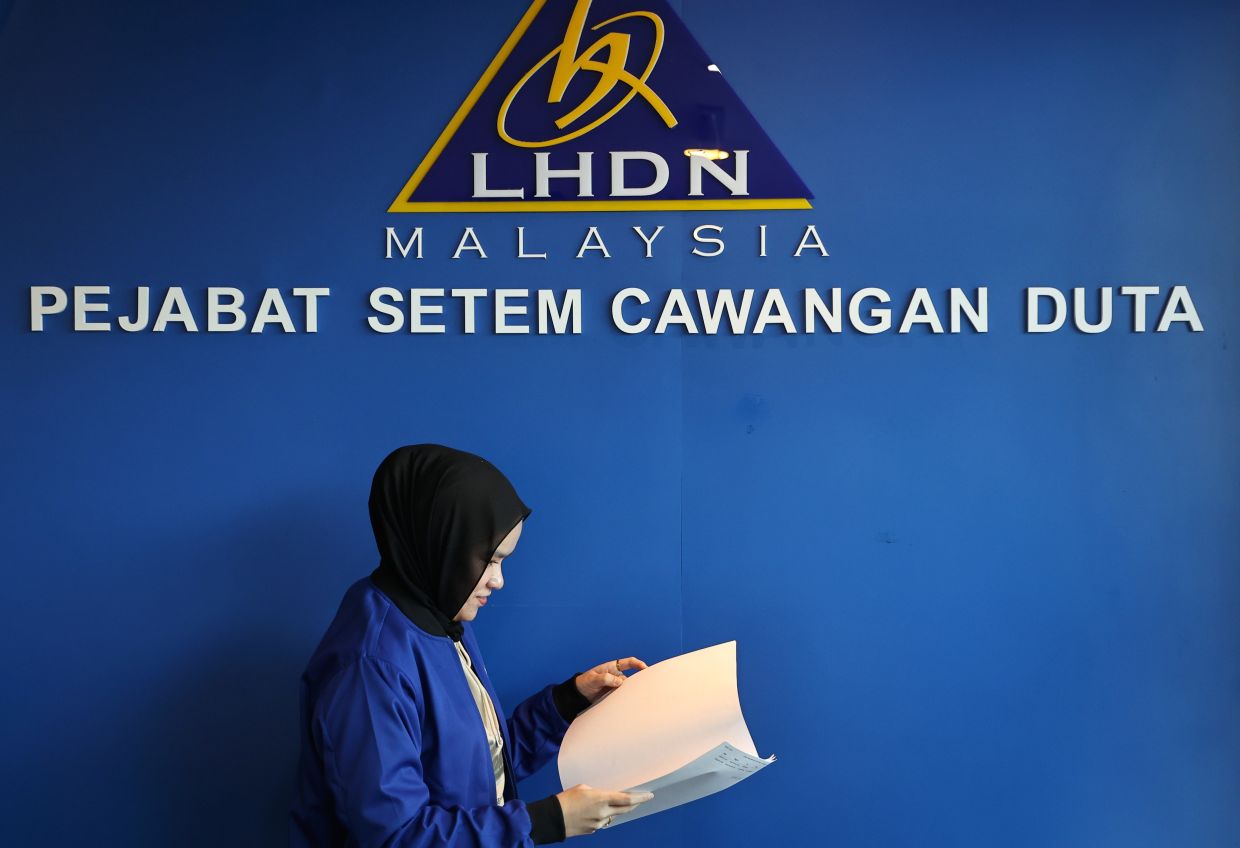
The Malaysian business landscape is undergoing a significant digital shift, particularly with the introduction of mandatory e-Invoice requirements in 2024. To ease the transition for Malaysia's vital small business sector, the Inland Revenue Board of Malaysia (HASiL) has unveiled MyInvois e-POS, a completely free digital point-of-sale platform aimed at eliminating barriers that have historically prevented micro, small and medium enterprises from adopting modern business systems.
The platform represents a strategic intervention in Malaysia's push toward comprehensive business digitalisation. Rather than imposing additional financial burdens on struggling SMEs, HASiL recognised that affordability is crucial to widespread adoption. MyInvois e-POS targets businesses with annual sales reaching RM5mil, a threshold that captures a significant portion of Malaysia's entrepreneurial ecosystem, from neighbourhood convenience stores and street-level restaurants to boutique clothing retailers and neighbourhood cafes. This inclusive approach acknowledges that digitalisation challenges are not confined to a single industry but span diverse sectors of Malaysia's economy.
One of the platform's most compelling advantages is its accessibility. Businesses can begin using the system with nothing more than a smartphone or tablet paired with an internet connection. While optional enhancements such as receipt printers and barcode scanners can further streamline operations, the absence of mandatory hardware requirements removes a substantial obstacle for resource-constrained enterprises. This design philosophy reflects an understanding of the practical realities facing Malaysian SMEs, many of which operate on tight margins and cannot absorb large capital expenditures.
Operationally, MyInvois e-POS consolidates multiple business functions into a single integrated platform. Beyond the core e-Invoice generation capability, it provides sales management tools, inventory tracking systems, accounting functionality and financial reporting features. These integrated features reduce the need for businesses to purchase or subscribe to multiple software solutions, further lowering their overall technology costs. The system effectively digitises workflows that many traditional businesses still manage through handwritten records, ledgers and scattered documentation, creating immediate efficiency gains.
The e-Invoice functionality within MyInvois e-POS operates with sufficient flexibility to accommodate different business preferences. When a customer completes a purchase, the seller can either generate an e-Invoice immediately or wait for the buyer to request one post-transaction. This accommodating approach prevents friction during customer interactions while ensuring that e-Invoice obligations are ultimately met. For sellers who receive no customer requests, the system automatically generates consolidated e-Invoices on predetermined dates, eliminating the possibility of overlooking compliance requirements.
For Malaysian SMEs, the transition to digital record-keeping addresses perennial operational vulnerabilities. Manual transaction tracking is inherently error-prone, exposes businesses to document loss risks and creates audit trail gaps that can complicate tax compliance. MyInvois e-POS mitigates these risks through automated data capture and storage. Financial records become systematically organised, dramatically reducing the time and complexity involved in preparing tax documents, financial statements and business performance analyses. This improvement extends beyond regulatory compliance to support genuine business intelligence and strategic decision-making.
The platform's timeliness is particularly significant given the evolving regulatory environment. Malaysia's push toward e-Invoice adoption reflects broader Southeast Asian trends toward digital government services and business transparency. By offering a free, user-friendly entry point into digital invoicing, HASiL positions Malaysian SMEs to meet these requirements without competitive disadvantage relative to larger organisations with existing digital infrastructure. The move also signals government commitment to supporting grassroots business modernisation rather than simply mandating compliance without resources.
Implementation of the system is designed to minimise disruption to active business operations. Sellers need not overhaul existing workflows or interrupt customer service to accommodate the new platform. The automated e-Invoice generation feature means that compliance happens in the background, allowing business owners to maintain focus on core operational activities such as inventory management, customer relations and service delivery. This low-friction approach increases the likelihood of genuine adoption rather than reluctant compliance.
For Malaysian readers and business owners, the availability of free regional support enhances accessibility further. HASiL State Offices throughout Malaysia provide in-person guidance for businesses seeking hands-on assistance, ensuring that technology adoption barriers extend beyond software itself to encompass user education and confidence-building. Coupled with online user guides available through official channels, this multi-channel support approach accommodates diverse learning preferences and technological comfort levels across Malaysia's heterogeneous SME population.
The strategic importance of this initiative reflects recognition that Malaysia's economic resilience depends substantially on MSME viability. These enterprises employ significant portions of Malaysia's workforce and contribute meaningfully to gross domestic product. By reducing the technology adoption burden, HASiL effectively removes a potential constraint on MSME competitiveness and growth. Businesses that successfully digitalise typically experience improved financial management, better decision-making and enhanced capacity to scale operations.
Looking ahead, MyInvois e-POS may serve as a platform for additional government services integration. Digital systems introduced for invoicing purposes can be extended to accommodate other regulatory requirements, creating ecosystem efficiency. For Southeast Asia broadly, Malaysia's approach demonstrates a collaborative model where government actively facilitates rather than merely mandates digital transformation among SMEs. This philosophy may offer valuable lessons as other regional economies pursue similar digitalisation objectives.
Ultimately, the rollout of MyInvois e-POS represents practical recognition that digital transformation succeeds when barriers are systematically removed. By offering a free, accessible, comprehensively featured platform, Malaysia has created genuine opportunity for its SME sector to embrace technological advancement without bearing prohibitive costs. For business owners in Malaysia facing pressure to modernise, the platform offers a genuine starting point for sustainable digital engagement.

