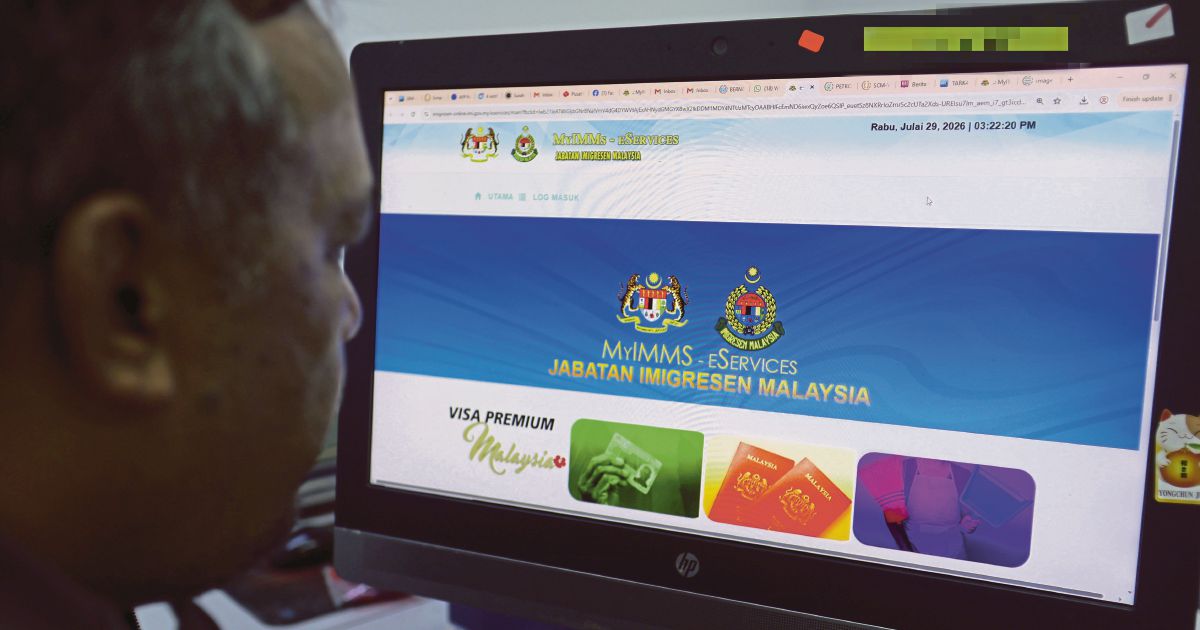
The suspected breach of Malaysia's Immigration System represents far more than a conventional cybercrime incident—it constitutes a fundamental threat to national security infrastructure, according to security experts examining the incident. Rather than viewing the compromise and potential manipulation of MyIMMs as an isolated criminal act, researchers emphasize the incident signals systemic vulnerabilities in how Malaysia protects critical border management systems that directly impact sovereignty and public safety.
The Malaysian Immigration System serves as the digital backbone for tracking entry and exit of all persons crossing Malaysia's borders. When this system's integrity comes into question, the ramifications extend well beyond data theft or financial fraud. A criminologist familiar with such breaches argues that unauthorized access to immigration records and the ability to manipulate data within the system creates exposure to threats ranging from human trafficking networks to the facilitation of movements by persons of security interest. The technical capability to alter records means the system can no longer be relied upon as an authoritative source for who has entered or departed the country.
This classification shift carries substantial implications for how Malaysian authorities must respond. A conventional cybercrime investigation might focus narrowly on identifying perpetrators and recovering stolen data. However, treating the incident as a national security matter requires a broader assessment of how the breach occurred, what preventive measures failed, and whether other critical government systems face similar vulnerabilities. The investigation must determine whether foreign intelligence services had involvement or whether the breach enables transnational criminal operations to function more effectively within Malaysian territory.
The timing and sophistication of the MyIMMs incident warrant such elevated concern. Immigration systems attract attention from sophisticated actors because control over entry records provides operational advantages for various illicit purposes. If the breach was coordinated rather than opportunistic, or if it demonstrates advanced persistent access capabilities, these factors suggest threats beyond conventional cybercriminals seeking financial gain. The ability to sustain access and manipulate records over time indicates either highly skilled operators or sufficient resources to maintain a presence within critical infrastructure—characteristics typical of state-sponsored or organized crime operations rather than typical data theft scenarios.
Malaysia's position as a major regional hub for travel, trade, and commerce makes immigration system integrity a shared Southeast Asian concern. Neighbouring countries depend on accurate Malaysian immigration data to understand regional movement patterns and identify persons of interest crossing borders. When one nation's immigration controls become unreliable, it degrades the entire region's ability to manage security threats collectively. This interconnected vulnerability means the MyIMMs breach carries transnational implications that domestic investigations alone cannot adequately address.
The incident also highlights how Malaysia's digital transformation agenda creates new security requirements. As government services migrate to online platforms and interconnected systems, the attack surface expands. Immigration systems interface with multiple other databases—customs, law enforcement, health, and labor—creating cascading exposure if security standards are uneven. A compromise in one system potentially provides attackers leverage to access others. The criminologist's argument essentially challenges whether Malaysia's critical infrastructure has been adequately hardened before expanding digital integration.
Government responses to date have focused on investigation and temporary system remediation. However, elevating the classification to national security status would justify comprehensive audits of other critical systems, enhanced access controls, and potentially involvement of military or intelligence agencies alongside traditional law enforcement. This represents a significant shift in institutional response protocols and resource allocation. It also signals to the public that authorities view the threat as existential rather than manageable through standard cybercrime procedures.
The distinction between cybercrime and national security matters affects legal frameworks and investigative authorities. Cybercrime cases typically involve evidence preservation, suspect prosecution, and victim compensation. National security cases involve counterintelligence, threat assessment, and prevention of future operations. Malaysia's legal architecture and enforcement agencies may require restructuring to adequately address threats of this magnitude. The question of whether existing cybercrime legislation provides sufficient tools and penalties becomes secondary to whether the country's security apparatus can identify and neutralize the underlying threat vector.
For Malaysian citizens and businesses, the breach raises practical concerns about document authenticity and travel security. If immigration records can be manipulated, questions arise about the reliability of entry stamps, visa issuance dates, and departure records. Individuals might face difficulties proving legitimate travel histories for employment, residency, or legal purposes. Businesses depending on temporary worker programs face uncertainty about the integrity of immigration documentation. These downstream effects ripple through the economy and affect public confidence in government systems generally.
The regional dimension adds another layer of complexity. Intelligence sharing between Malaysia and neighbouring countries depends on mutual confidence in data reliability. If MyIMMs data cannot be trusted, bilateral cooperation in border security, human trafficking prevention, and counterterrorism suffers. Regional organizations like ASEAN depend on member states maintaining effective immigration controls. The MyIMMs breach therefore threatens not just Malaysia's security posture but the collective security architecture of Southeast Asia.
Moving forward, the expert assessment suggests Malaysia must conduct a comprehensive evaluation of how critical infrastructure is protected, not merely address this specific incident. Investment in cybersecurity talent, system redundancy, and international cooperation on threat intelligence becomes essential. Treating MyIMMs as a national security issue rather than routine crime creates the institutional momentum and resource commitment such systemic improvements require. The classification change fundamentally shifts how Malaysia approaches protecting the systems that underpin modern governance and border security.

