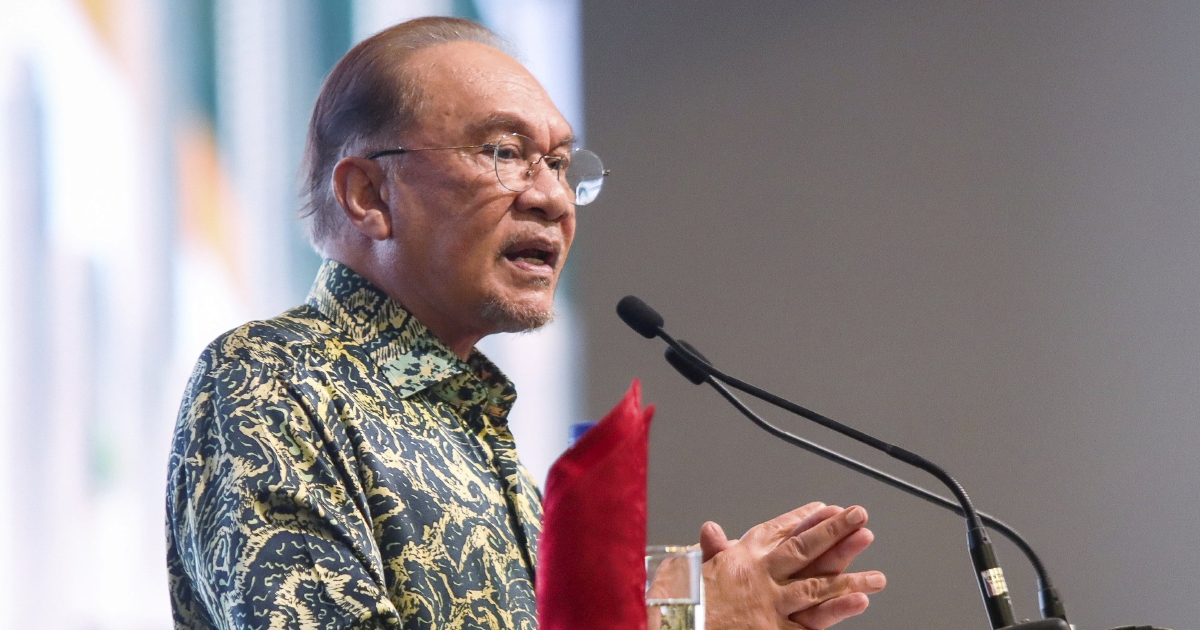
Myanmar has agreed to accept an initial group of 5,000 Rohingya refugees from Malaysia following direct negotiations between the two governments, Prime Minister Datuk Seri Anwar Ibrahim announced during a visit to Jelebu. The development represents a significant diplomatic breakthrough in addressing one of Southeast Asia's most pressing humanitarian challenges, as Malaysia grapples with hosting one of the world's largest Rohingya populations displaced by conflict and persecution.
The agreement signals a shift toward structured repatriation rather than the ad-hoc approaches that have characterised regional responses to the Rohingya crisis in recent years. Malaysia, already home to an estimated 180,000 registered Rohingya with many more undocumented, has long sought international assistance in managing the refugee influx. The preliminary acceptance of 5,000 individuals suggests that Myanmar may be gradually moving toward receiving displaced nationals, though questions remain about the pace and scope of future operations.
The arrangement comes amid evolving geopolitical calculations in Southeast Asia regarding refugee management and bilateral relations. Myanmar's willingness to engage on repatriation, even at a limited scale, reflects changing circumstances within the country following recent political upheaval. The military-led government in Naypyidaw faces ongoing internal instability, yet has apparently prioritised negotiating solutions with regional partners to ease international pressure and improve its standing within the Association of Southeast Asian Nations.
For Malaysia, the agreement addresses mounting social and economic pressures associated with sustaining a massive refugee population. The country has borne substantial costs in providing healthcare, education, and administrative support to Rohingya communities, often with limited international financial assistance. The arrangement offers potential relief, though delivering on a 5,000-person repatriation will require substantial coordination, security assessments, and humanitarian safeguards to ensure the process meets international standards.
The emphasis on voluntariness in any repatriation framework proves crucial to the agreement's legitimacy and humanitarian integrity. International organisations and refugee advocacy groups have consistently stressed that Rohingya must return to Myanmar only through informed choice, with genuine guarantees of safety and dignity. The framing of this arrangement as voluntary repatriation indicates that Malaysian authorities and Myanmar have acknowledged these fundamental principles, at least rhetorically, though implementation details will determine whether the process respects individual agency.
Security and verification mechanisms will likely shape how quickly the 5,000-person cohort can be processed for return. Malaysian authorities must conduct thorough assessments to ensure returnees genuinely wish to depart and possess proper documentation. Myanmar's receiving structures will need strengthening to accommodate large-scale population movements without overwhelming already-fragile systems in conflict-affected regions. These logistical challenges mean that the agreement's realisation may extend across months or years rather than weeks.
The broader context of Myanmar's internal situation adds complexity to repatriation prospects. Despite the government's diplomatic engagement on this issue, conditions within Myanmar remain unsettled, with ongoing tensions in various regions and questions about the durability of any central authority agreements in peripheral zones. Rohingya communities in Malaysia, many of whom fled to escape persecution and violence, will likely demand credible assurances about conditions in potential return areas before consenting to repatriation, creating potential friction between the pace of diplomatic agreements and actual population movements.
Regional dynamics surrounding the agreement merit attention, as other Southeast Asian nations hosting Rohingya populations may view the Malaysia-Myanmar arrangement as a model. Thailand, Bangladesh, and Indonesia all face similar pressures from hosting substantial refugee communities, and any successful repatriation framework could influence their approaches. Conversely, if the process stumbles or fails to deliver genuine, safe repatriations, it could entrench scepticism about Myanmar's ability to receive displaced populations, complicating future diplomatic efforts.
The agreement also reflects Malaysia's broader strategic positioning within ASEAN and its relationship with Myanmar specifically. By demonstrating progress on this humanitarian challenge, Malaysia potentially influences international perceptions of the region's capacity for self-management and internal problem-solving. Simultaneously, Myanmar gains diplomatic credit for apparent cooperation on a sensitive issue, potentially useful in navigating regional and international scrutiny of its governance.
Implementation will require sustained engagement from both governments and meaningful involvement of international humanitarian organisations. The International Organization for Migration, United Nations High Commissioner for Refugees, and other bodies typically provide verification, logistical support, and monitoring services for repatriation operations. Whether Myanmar will permit such oversight, and whether Malaysia will insist on it, remains to be clarified as detailed operational plans emerge.
For the Rohingya themselves, the agreement represents cautious potential rather than resolution. While return to homeland represents the long-term aspiration for many, uncertainties about personal safety, livelihood restoration, and community reconstruction persist. The initial 5,000-person cohort will serve as a testing ground, with their experiences—both positive and negative—influencing whether broader repatriation becomes feasible or if the arrangement remains limited in scope.
The coming months will prove critical in translating diplomatic agreement into concrete action. Malaysia and Myanmar must now develop detailed protocols addressing documentation, security screening, transport arrangements, and post-arrival support. Success will require balancing speed with thoroughness, respecting refugee autonomy while managing Malaysia's domestic pressures, and ensuring Myanmar's receiving capacity genuinely accommodates returning populations. The agreement's true measure will emerge not from initial announcements but from how faithfully both governments execute their commitments.

