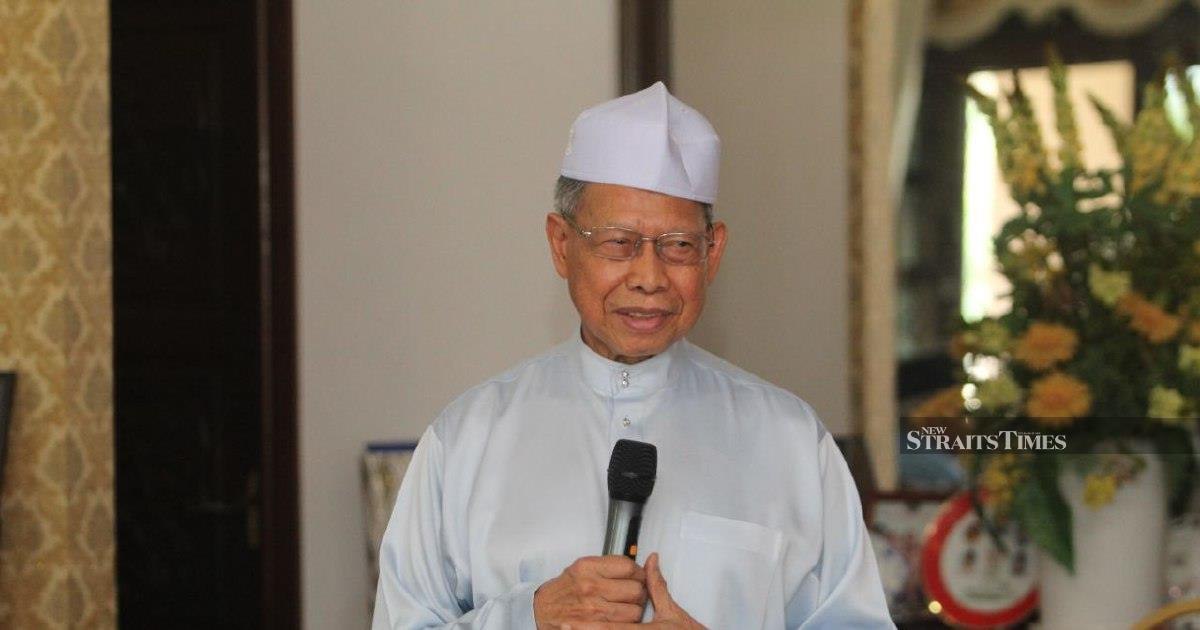
Datuk Seri Mustapa Mohamed, the veteran politician commonly known as Tok Pa who recently rejoined Umno after a period of political transition, has definitively ruled out standing as a candidate in Malaysia's next general election. The former Jeli member of parliament made the announcement in Pasir Mas, signalling a potential end to an electoral career that has defined much of his public life in Malaysian politics.
Mustapa's decision carries particular weight given his history as a seasoned parliamentarian and senior figure within the party's hierarchy. The timing of his public withdrawal from electoral politics comes at a significant juncture for Umno, as the party continues to consolidate support and prepare its candidate slate for the anticipated general election. His explicit statement addresses questions that may have circulated regarding his intentions following his recent return to the party fold.
The decisive nature of Mustapa's announcement appears motivated by practical considerations relating to his physical condition. In describing his current state, he referenced difficulties with basic mobility, noting that he cannot walk steadily. This candid acknowledgement of health constraints reflects a growing trend among Malaysian political veterans of making informed decisions about when to step back from active electoral competition, prioritising personal wellbeing over political ambitions.
For the Umno party machinery, Mustapa's decision removes one variable from internal calculations about seat allocations and candidate nominations. The party can now redirect its energies toward identifying alternative candidates for constituencies where Mustapa might have otherwise been considered. This creates opportunities for emerging or mid-level party figures to advance within Umno's political hierarchy and contest high-profile seats.
Mustapa's political journey has encompassed significant roles within government and the party structure. His experience spans multiple electoral cycles and governmental configurations, providing institutional memory that remains valuable to Umno's strategic direction even if he steps back from personal electoral participation. His insider perspective will likely continue influencing party deliberations through other channels.
The announcement also reflects broader patterns within Malaysian politics, where senior figures increasingly manage transitions away from electoral frontline duties rather than facing electoral defeat or health crises while campaigning. This measured approach differs from previous generations of politicians who often continued contesting well into physical decline or until voters rejected them at the ballot box.
For the Jeli constituency specifically, Mustapa's withdrawal opens the field for new representation. The seat's political complexion and voter demographics will shape the selection of his successor, potentially presenting opportunities for fresh voices within Umno's grassroots and youth wings. The constituency has known stable Umno representation during much of Mustapa's tenure, and maintaining this stronghold will be crucial for the party's overall electoral performance.
Mustapa's return to Umno earlier this year represented a significant political moment, as his rejoining signified continued faith in the party's direction despite the political upheavals that have marked Malaysian politics over the past decade. His presence brought valuable experience and symbolic weight, reinforcing Umno's appeal to veterans and long-serving party members. However, his decision to decline electoral participation suggests he views his contributions to the party continuing through advisory and strategic roles rather than through active campaigning.
The broader context of Malaysian electoral politics shows increasing acceptance of politicians making calculated exits rather than lingering past their prime. This reflects both evolving standards regarding age and fitness for office and the physical toll of contemporary campaigning, which remains demanding despite modernisation through digital channels. For candidates like Mustapa, the combination of advanced years and mobility challenges presents genuine obstacles to the gruelling schedules required during election periods.
Umno's response to Mustapa's announcement will set the tone for how gracefully the party manages the transition away from senior figures. Recognising the contributions of veterans while simultaneously energising younger candidates remains a delicate balance, essential for maintaining party cohesion and generational renewal. Mustapa's cooperation in stepping aside voluntarily strengthens the party's ability to manage this transition smoothly.
Looking forward, Mustapa's decision contributes to the broader narrative of Malaysian politics gradually shifting toward younger leaderships while maintaining institutional continuity through elder statesmen in non-electoral capacities. This generational transition, particularly visible within Umno as it seeks to reinvigorate its electoral appeal, will be closely watched by other parties navigating similar demographic and succession challenges.
The announcement ultimately underscores that even for politically significant figures, practical health considerations eventually supersede electoral ambitions. Mustapa's transparency about his limitations sets a potentially constructive precedent for other aging politicians facing similar decisions, demonstrating that stepping aside can be presented as responsible stewardship rather than political failure or forced withdrawal.

