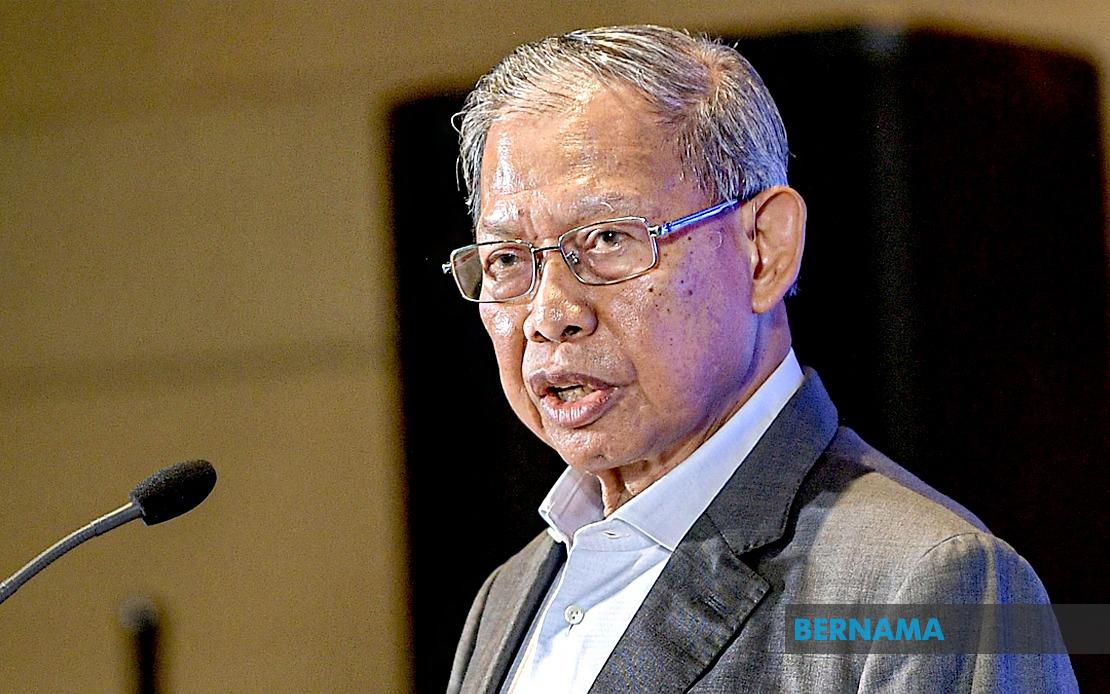
Datuk Seri Mustapa Mohamed has firmly closed the chapter on his electoral ambitions, declaring that he will not participate in the 16th General Election and emphasising the necessity for a younger generation to assume leadership roles within UMNO. The former Jeli Member of Parliament made these remarks at a homecoming celebration and Independence Month gathering organised by the Council of Former Kelantan Elected Representatives in Pasir Mas on August 5, signalling a deliberate transition away from frontline politics after a career spanning several decades.
At 76 years old, Mustapa acknowledged the physical realities of advancing age, noting that his mobility has declined and that continuing to contest elections would be inequitable to both his party and younger aspirants. His candid assessment reflects a broader discussion within Malaysian political circles about generational renewal and the pace at which senior figures step aside to make space for fresh talent. The sentiment carries particular weight given Mustapa's extensive background in government, having served as Minister of International Trade and Industry, a position that shaped Malaysia's economic engagement during critical periods.
Mustapa's reaffirmation comes roughly two months after his return to UMNO in June of this year, concluding a hiatus that began when he departed the party in September 2018 to join Bersatu. His trajectory through different political formations reflects the fluid nature of Malaysian politics over the past five years, a period marked by significant coalition shifts and the realignment of senior figures across party lines. His homecoming to UMNO appears to have been accompanied by a conscious decision about his future role, positioning himself as an elder statesman rather than an active contestant.
Despite stepping back from electoral competition, Mustapa articulated a commitment to remaining engaged with UMNO through non-electoral channels. He emphasised his intention to contribute through mentorship of younger colleagues, offering strategic counsel and accumulated wisdom gathered from his extensive ministerial and diplomatic experience. This approach reflects an understanding that political influence and contribution need not be exclusively tied to holding elected office, particularly for figures whose experience and networks represent valuable institutional assets.
The former minister also identified academia as an important platform for sharing his knowledge, indicating plans to engage with students at both public and private tertiary institutions. This dimension of his contribution acknowledges the role that policy intellectuals and experienced practitioners play in shaping the thinking of future leaders and decision-makers. Educational engagement represents a softer form of influence that allows senior figures to transmit lessons and perspectives to emerging professionals across government, business, and civil society.
Mustapa's statements align with broader imperatives facing UMNO as the party seeks to revitalise its appeal following electoral setbacks and organisational challenges over the past decade. The explicit call for younger leadership to step forward addresses one of the perennial criticisms levelled at UMNO and other established Malaysian political parties, namely the tendency toward gerontocracy and delayed succession planning. By voluntarily stepping aside and articulating support for generational change, senior figures like Mustapa provide important signals about institutional renewal.
The timing of his pronouncements carries significance for UMNO's internal dynamics and broader coalition strategy. As the party navigates its relationship with other government-aligned organisations and contemplates electoral preparations, the willingness of senior members to facilitate the rise of younger talent becomes strategically relevant. Mustapa's actions demonstrate that elder statesmen can still exercise considerable influence through advisory and mentoring roles without occupying frontline positions, potentially offering a model for orderly transition within hierarchical political structures.
His remarks also reflect pragmatic acknowledgement of electoral realities in Malaysia, where voter demographics have shifted substantially over the past decade. Younger voters increasingly comprise significant portions of the electorate in many constituencies, and political parties seeking to broaden their appeal must demonstrate capacity to speak to contemporary concerns and present candidates who resonate with evolving priorities. Senior candidates, regardless of credentials, may face structural disadvantages in appealing to electorates increasingly oriented toward economic opportunity, environmental sustainability, and social modernisation.
Mustapa's continued commitment to contributing through idea-generation and strategic guidance suggests that his departure from electoral politics need not entail withdrawal from policy discussions or party deliberations. Senior figures possessing institutional memory and international experience often serve valuable functions within party think-tanks, advisory councils, and informal strategy groups. For UMNO particularly, retaining access to counsel from experienced former ministers could prove beneficial as the party positions itself within increasingly competitive political and economic contexts.
The broader implications of Mustapa's stance extend beyond UMNO alone. His articulation of the case for generational leadership succession addresses a challenge confronting not only Malaysian political parties but also governance institutions across Southeast Asia. As populations in the region age and political systems grapple with questions of renewal and legitimacy, examples of senior leaders voluntarily facilitating succession become instructive. Mustapa's approach suggests one possible pathway for managing transitions that respect accumulated experience while acknowledging the imperative for fresh perspectives and energy.
Moving forward, the extent to which UMNO successfully incorporates younger leaders while leveraging the continued intellectual contributions of figures like Mustapa will meaningfully influence the party's trajectory. His homecoming to UMNO and articulated commitment to institutional strengthening indicate that political disengagement need not mean organisational detachment. The interplay between electoral retirement and continued party engagement will likely define much of Malaysian politics in the coming years as established coalitions adapt to demographic and social shifts.

